What Your Body Might Be Telling You
You’ve always been a solid sleeper. Eight hours, like clockwork. But lately, something’s shifted. Maybe you’re waking up at 3 AM with your mind racing, or you’re suddenly sleeping only four hours a night yet feeling strangely energized.
Or perhaps you’ve gone the opposite direction—sleeping twelve hours and still feeling exhausted.
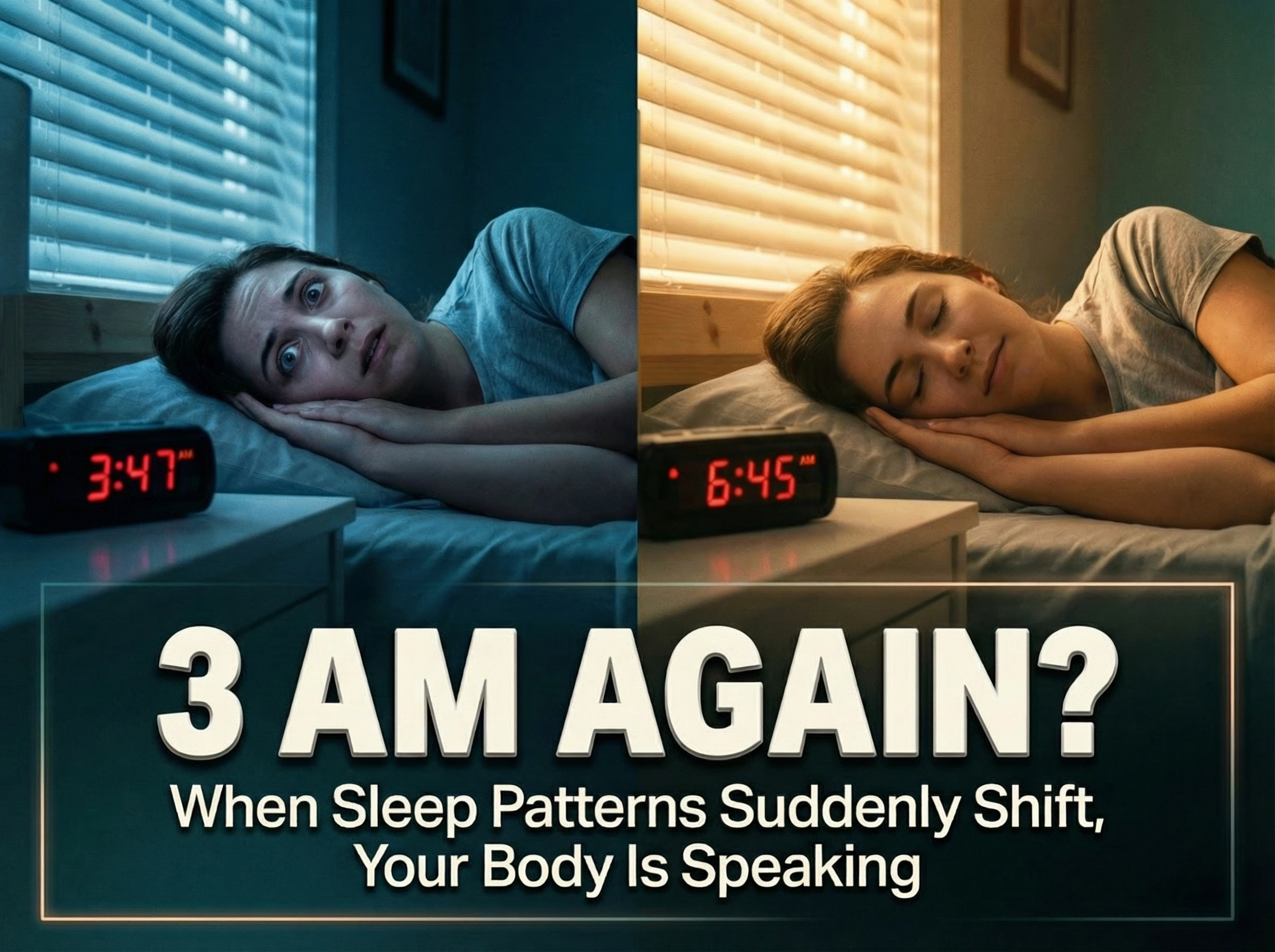
When sleep patterns change suddenly, it’s rarely random. Your body and mind are trying to tell you something important.
The Sleep-Mood Connection You Can’t Ignore
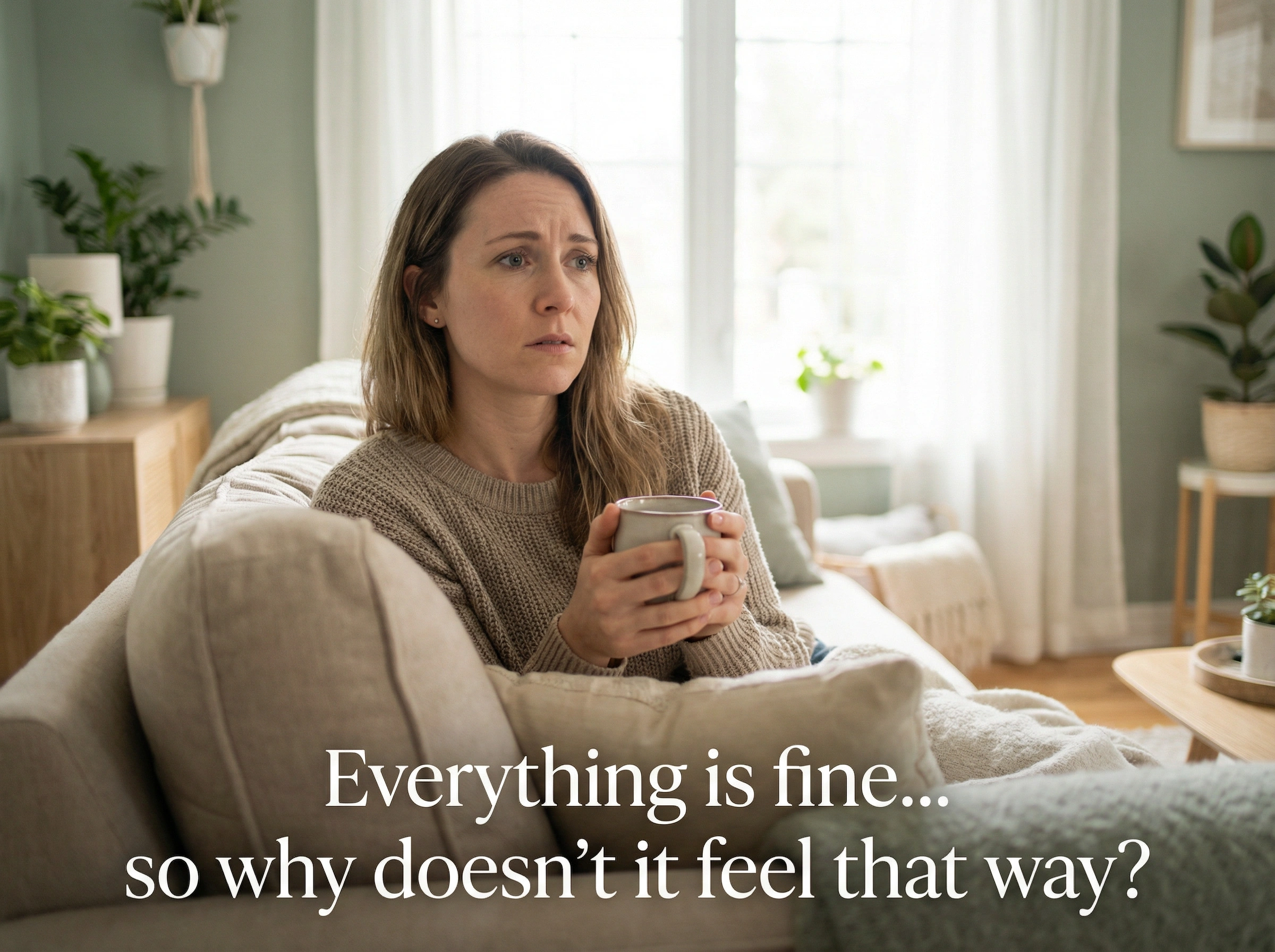
Sleep isn’t just about rest—it’s one of the most reliable indicators of what’s happening beneath the surface of your mental and emotional health. At Focused Connections Psychiatry, we often hear patients say, “Everything else seems fine, but my sleep just isn’t the same anymore.”
Here’s what many people don’t realize: sudden changes in sleep patterns are frequently one of the earliest signals that something deeper is shifting in your mental health landscape.
When “Needing Less Sleep” Feels Like a Superpower
Let’s talk about a pattern that often flies under the radar: suddenly needing far less sleep than usual while still feeling full of energy.
You might find yourself:
- Sleeping only 3-4 hours but waking up ready to conquer the world
- Feeling more creative, productive, or social than ever
- Taking on multiple projects simultaneously
- Feeling like sleep is “wasting time” when you have so much to do
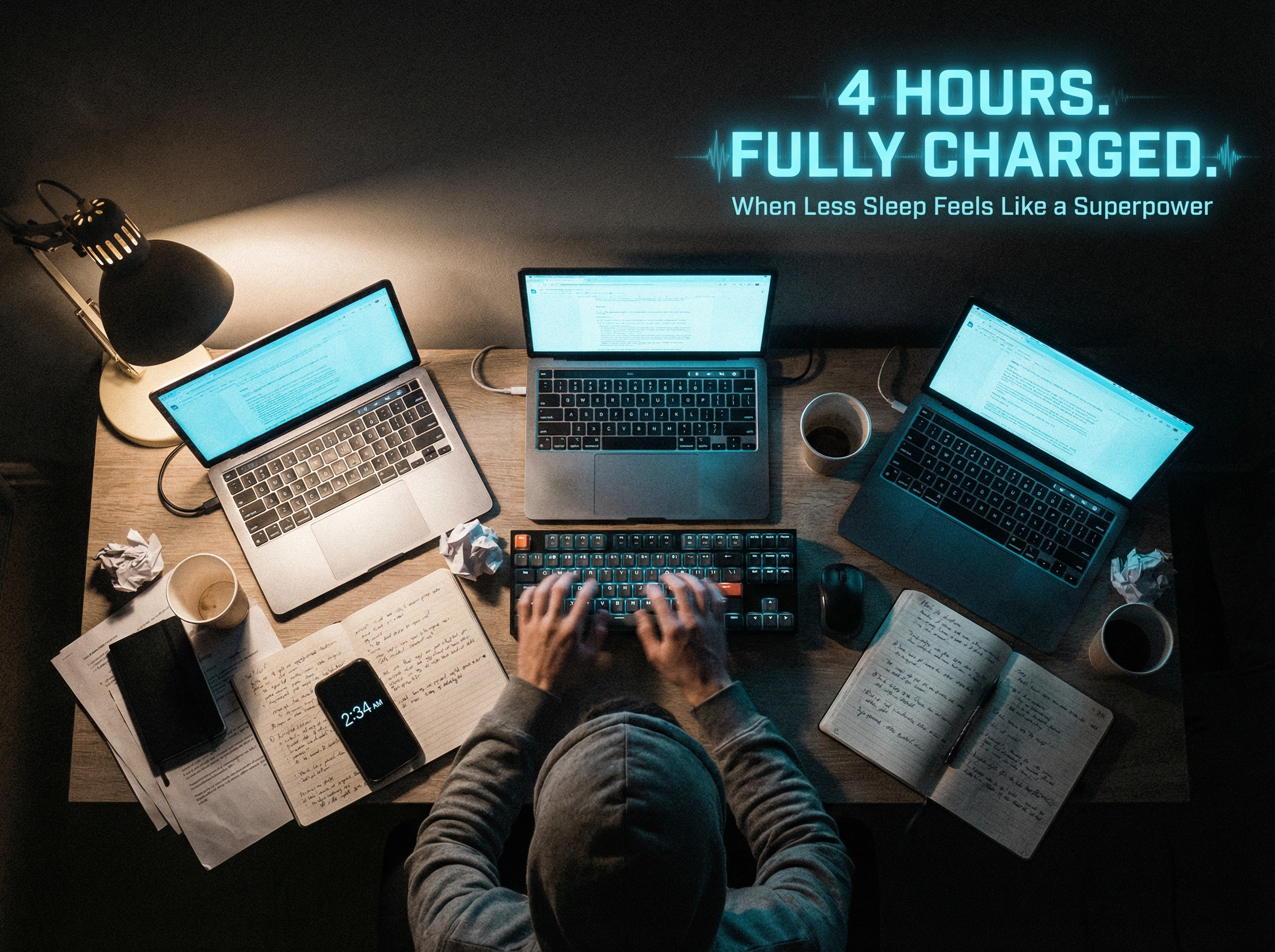
This can feel amazing at first. You’re getting so much done! You’re finally living up to your potential! But here’s the thing—this pattern can be a significant indicator of elevated mood states, particularly in conditions like bipolar disorder.
Many people experiencing hypomania or mania describe this exact phenomenon: a dramatically decreased need for sleep accompanied by increased energy, racing thoughts, and heightened productivity. It doesn’t feel like insomnia—it feels like you’ve unlocked a better version of yourself.
The challenge? This pattern often isn’t sustainable, and it may be followed by a crash that leaves you feeling depleted, confused, or depressed.
The Flip Side: When Sleep Becomes an Escape
On the opposite end of the spectrum, some people experience sudden changes where they can’t seem to get enough sleep.
You might notice:
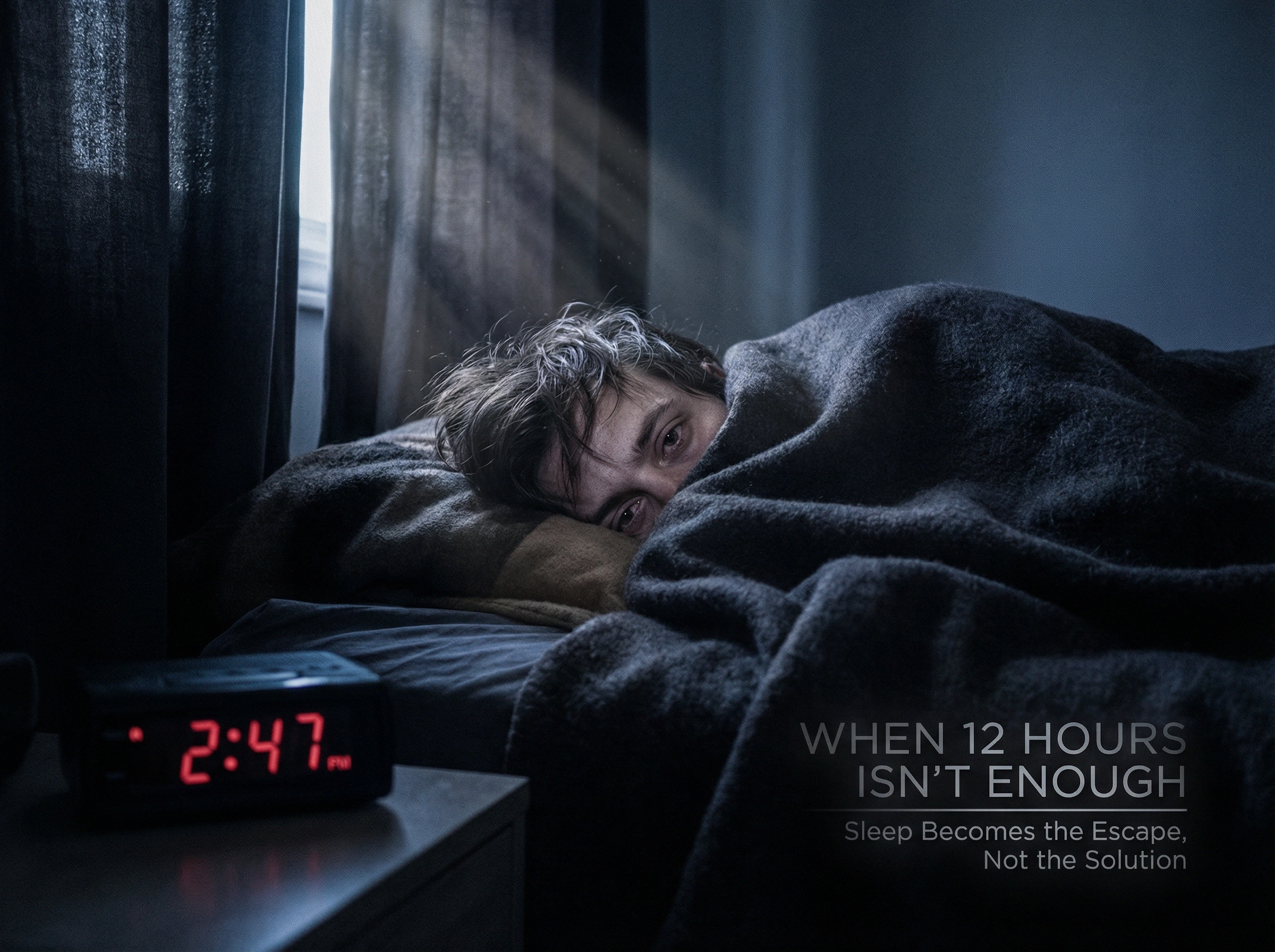
- Sleeping 10-14 hours and still feeling tired
- Difficulty getting out of bed in the morning
- Using sleep to avoid feelings or responsibilities
- Feeling heavy, sluggish, or disconnected even after a full night’s rest
This pattern often accompanies depressive episodes and can be just as disruptive as sleeping too little. When sleep becomes excessive, it’s frequently your body’s way of shutting down in response to emotional overwhelm, stress, or mood dysregulation.
The 3 AM Wake-Up Call
Perhaps the most common sleep disruption we hear about is the middle-of-the-night awakening—particularly between 2-4 AM—accompanied by racing thoughts, worry, or a sense of restlessness.
This pattern can indicate:
- Anxiety disorders
- Depression (early morning awakening is a classic symptom)
- Stress overload
- Hormonal changes
- Mixed mood states where you feel both agitated and low
When your mind won’t quiet at 3 AM, it’s often processing emotions, fears, or concerns that get pushed aside during your busy day. Your brain is trying to work through something—it’s just choosing the worst possible time to do it.
What Else Could Be Happening?
While mental health conditions are common culprits behind sudden sleep changes, other factors can play a role:
Life transitions and stress: Major changes—even positive ones like a new job or relationship—can disrupt established sleep patterns.
Seasonal shifts: Some people experience significant sleep changes with the seasons, particularly those with seasonal affective patterns.
Medication changes: Starting or stopping certain medications can dramatically affect sleep architecture.
Substance use: Alcohol, caffeine, or other substances can create sleep disruptions that seem to appear “suddenly” as tolerance builds or patterns change.
Medical conditions: Thyroid issues, sleep apnea, chronic pain, and other physical health concerns can manifest as sleep changes.

Why Tracking Matters
One of the most valuable things you can do when your sleep patterns change is to start tracking them. Note:
- How many hours you’re sleeping
- What time you go to bed and wake up
- How you feel during the day (energy, mood, focus)
- Any patterns you notice (better on weekends, worse during stressful periods)
This information becomes incredibly valuable when you’re ready to talk to a mental health professional. It helps paint a clearer picture of what’s happening and can reveal patterns you might not notice day-to-day.
When to Seek Professional Support
If your sleep changes have persisted for more than two weeks, or if they’re affecting your daily functioning, relationships, or work, it’s time to reach out for professional evaluation.
At Focused Connections Psychiatry, we understand that sleep disruptions are rarely just about sleep. They’re often windows into deeper patterns that deserve attention, understanding, and compassionate care.
You don’t have to figure this out alone. Whether you’re sleeping too much, too little, or experiencing patterns that just don’t feel right, your experiences deserve to be heard and understood.
Focused Connections Psychiatry Your sleep is trying to tell you something. We’re here to help you listen.
If you’re experiencing sudden changes in your sleep patterns and want to understand what’s happening, Focused Connections Psychiatry offers comprehensive psychiatric evaluations that look at the whole picture—not just symptoms, but you. Contact us at (562) 312-1777 today or click here to schedule your free symptom assessment.