What Your Brain Is Really Trying to Tell You
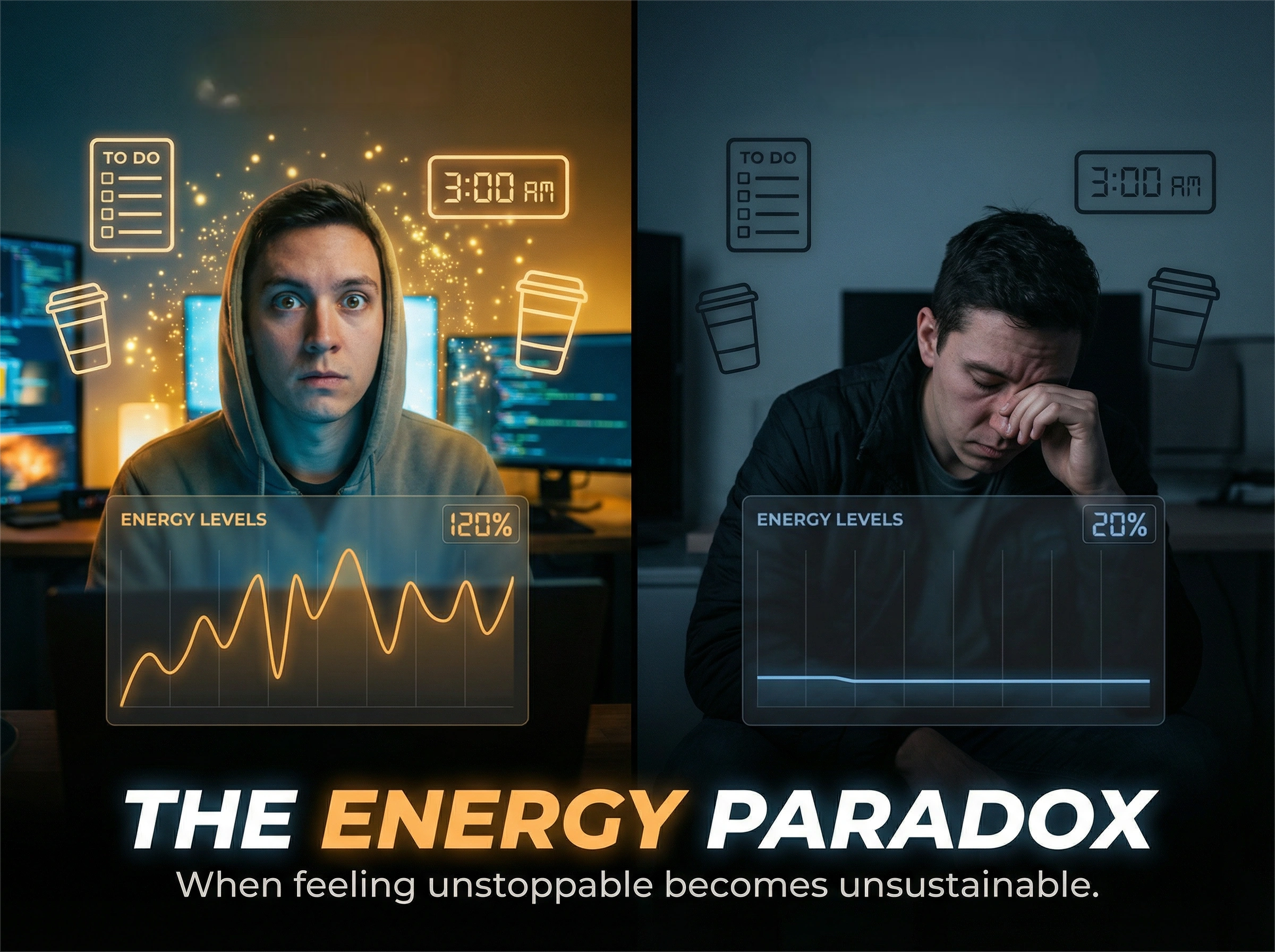
Have you ever noticed how some days you’re unstoppable—crushing your to-do list, brimming with ideas, ready to take on the world—and other days you can barely get out of bed?
Or maybe you find yourself either completely invested in a project or totally checked out, with no comfortable middle ground.
If life feels like it’s constantly swinging between extremes, you’re not alone. This “all or nothing” experience is more common than you might think, and understanding why it happens is the first step toward finding balance.
The Brain’s Binary Switch
Our brains are incredibly complex organs, but sometimes they operate in surprisingly simple ways. When it comes to energy, motivation, and emotional regulation, the brain can act like a light switch—either fully on or completely off.
This isn’t a character flaw or a sign of weakness; it’s often how our neurochemistry responds to stress, sleep patterns, and underlying mental health conditions.

For many people, this binary experience is linked to how the brain processes dopamine and other neurotransmitters. Dopamine, often called the “motivation molecule,” plays a crucial role in how we experience reward, pleasure, and drive.
When dopamine levels are balanced, we can maintain steady motivation and emotional equilibrium. But when these levels fluctuate dramatically—whether due to ADHD, bipolar disorder, anxiety, or other conditions—we experience those extreme highs and lows that make life feel like an exhausting roller coaster.
When “All or Nothing” Signals Something Deeper
While everyone experiences occasional mood fluctuations, persistent all-or-nothing patterns often point to underlying mental health conditions that deserve attention and care:
ADHD and the Hyperfocus Paradox: People with ADHD often describe feeling either completely absorbed in a task (hyperfocus) or utterly unable to start it (executive dysfunction). There’s rarely a comfortable middle gear.
This isn’t laziness—it’s how ADHD affects the brain’s ability to regulate attention and initiate tasks. The brain either floods with enough dopamine to create intense focus, or it struggles to generate the neurochemical momentum needed to begin.
Bipolar Spectrum and Mood Cycling: For individuals experiencing bipolar disorder, all-or-nothing thinking extends beyond daily tasks into broader life patterns. During elevated mood states (mania or hypomania), everything feels possible—sleep seems unnecessary, ideas flow endlessly, and confidence soars.
During depressive episodes, the opposite occurs: energy vanishes, hope fades, and even simple activities feel insurmountable. These aren’t just “mood swings”—they’re significant shifts in brain chemistry that affect every aspect of functioning.
Anxiety’s False Urgency: Anxiety can create an all-or-nothing mindset by convincing us that everything is either a crisis or completely fine. This black-and-white thinking leaves no room for nuance or middle ground.
Your brain’s threat-detection system gets stuck in overdrive, interpreting neutral situations as emergencies and making it difficult to assess situations realistically.

The Exhaustion of Extremes
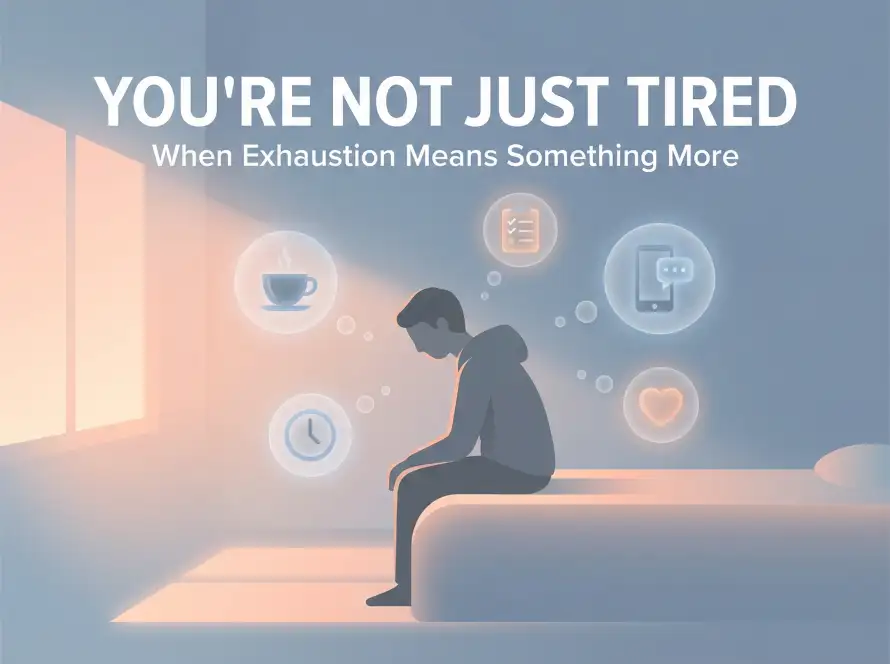
Living in constant extremes is exhausting. When you’re “all in,” you might accomplish incredible things, but you’re also burning through your reserves at an unsustainable rate. When you crash into “nothing,” the guilt and frustration compound the difficulty of the low period.
This cycle creates a secondary layer of distress—not just dealing with the extremes themselves, but also the shame and confusion about why you can’t seem to find consistency.
Many people describe feeling like they’re living two different lives or being two different people. The high-functioning version who seems to have it all together, and the struggling version who can barely manage basic self-care.
The truth is, you’re one person experiencing the very real effects of neurochemical fluctuations that need proper support and treatment.
Finding Your Middle Ground
The good news is that all-or-nothing patterns don’t have to be permanent. With proper evaluation and personalized care, it’s possible to find more stability and consistency:
Professional Assessment Matters: Understanding whether your all-or-nothing experiences stem from ADHD, bipolar disorder, anxiety, or another condition is crucial. Each condition requires different approaches, and accurate diagnosis is the foundation of effective treatment.
Medication Can Create Stability: For many people, appropriate medication helps smooth out the extremes. This doesn’t mean eliminating all emotional variation—it means creating a more stable baseline from which you can function consistently.
Tracking Reveals Patterns: Keeping track of your energy levels, mood, sleep, and productivity can help you and your provider identify triggers and patterns. This information is invaluable for developing personalized strategies.
Compassion Is Essential: Perhaps most importantly, understanding that your brain works differently helps replace self-judgment with self-compassion. You’re not failing at life—you’re experiencing real neurological patterns that respond to proper care.

You Deserve Steady Ground
At Focused Connections Psychiatry, we understand that life shouldn’t feel like a constant battle between extremes. Our team specializes in helping individuals identify the underlying causes of all-or-nothing patterns and develop personalized treatment plans that bring stability, clarity, and confidence.
Whether you’re dealing with ADHD, bipolar disorder, anxiety, or simply trying to understand why consistency feels impossible, we’re here to help you find your middle ground.
You don’t have to keep riding the roller coaster. Reach out today, contact us at (562) 312-1777, or click here to schedule your free symptom assessment. Let’s start your journey toward the balance you deserve.