Understanding How Stress Becomes Physical
You’re sitting at your desk, going through emails, when suddenly your chest feels tight. Your heart starts racing. You take a deep breath, but it doesn’t quite fill your lungs the way it should. You pause, mentally scanning your body. Am I having a heart attack? Is something seriously wrong?
You’ve been to the doctor. They ran tests. Everything came back normal. Your heart is fine. Your lungs are clear. But the tightness keeps coming back, and each time it does, that familiar wave of worry follows.
If this sounds familiar, you’re not alone—and you’re not imagining it.
The Mind-Body Connection Is Real
Here’s something many people don’t realize: your brain doesn’t always distinguish between physical danger and emotional stress.
When you’re worried, overwhelmed, or anxious, your body responds as if you’re facing a real threat. This triggers your nervous system’s “fight or flight” response, flooding your body with stress hormones like cortisol and adrenaline.
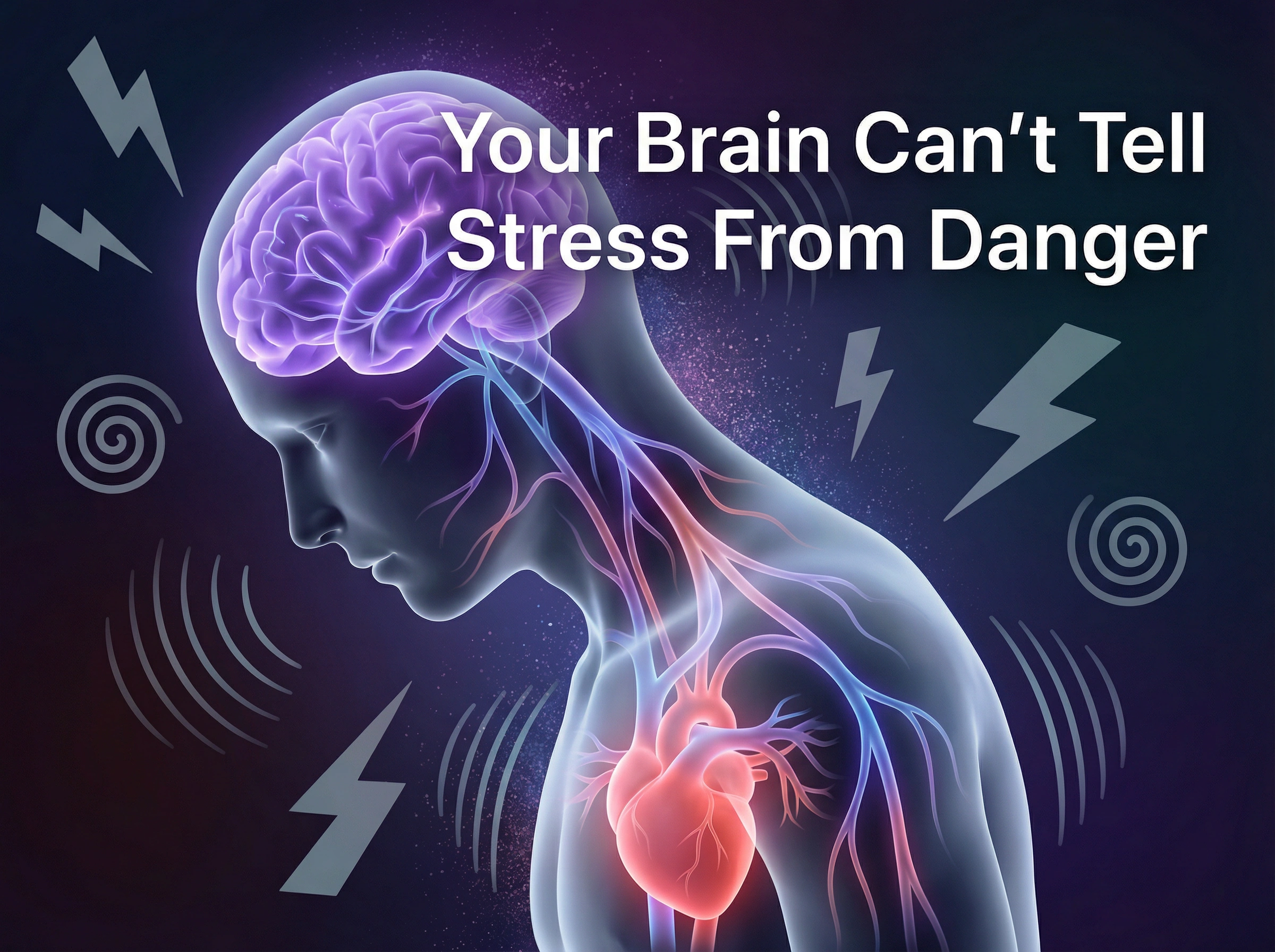
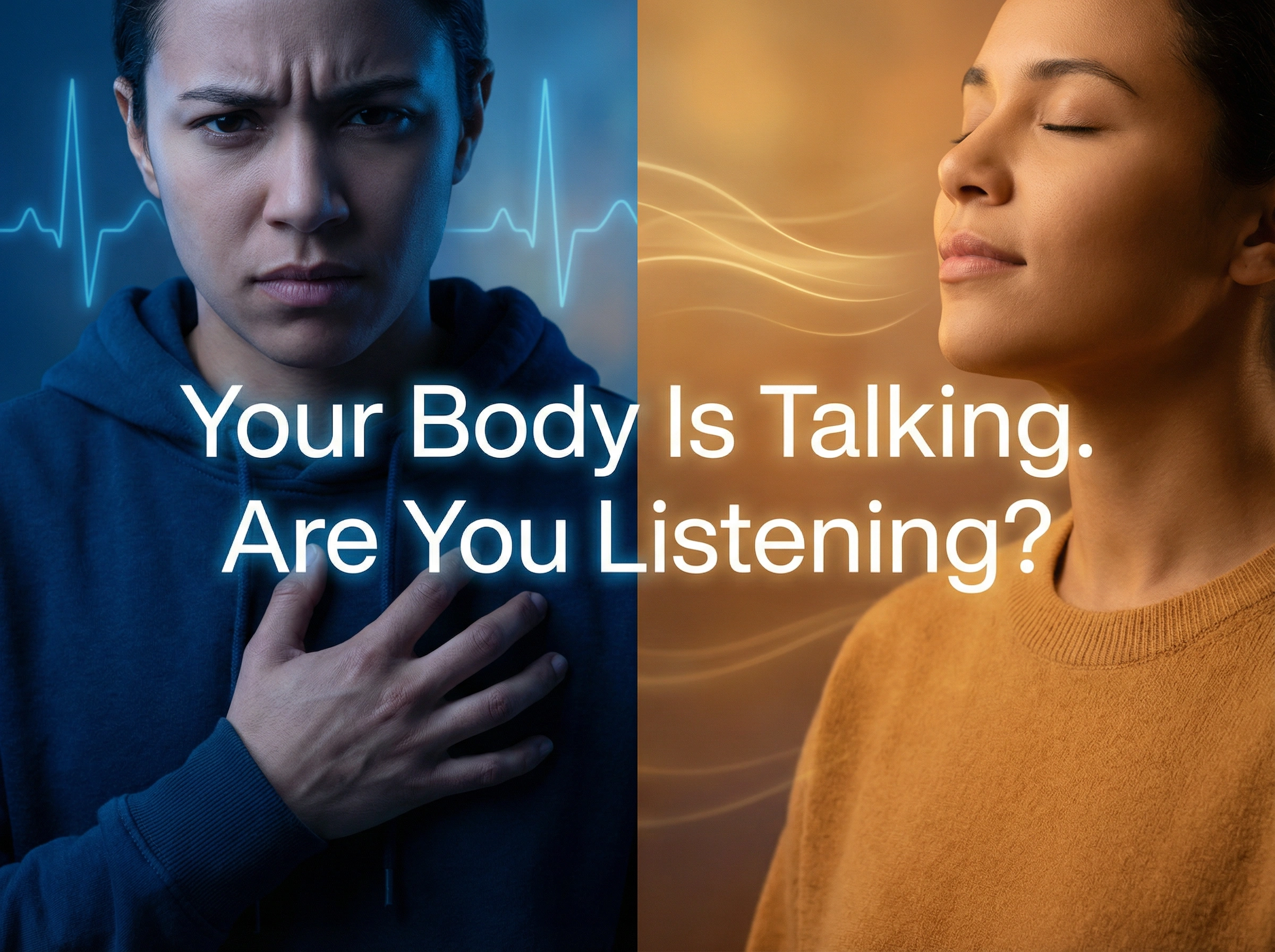
These hormones prepare your body to react—your heart rate increases, your muscles tense, and your breathing becomes shallow. All of this can create very real physical sensations, including chest tightness, even when there’s no medical emergency happening.
At Focused Connections Psychiatry, we see this pattern frequently. Patients come to us confused and frightened because their bodies are sending alarm signals, but medical tests keep coming back clear. The relief of knowing nothing is physically wrong is often mixed with frustration: If nothing’s wrong, why do I feel this way?
Why Stress Shows Up in Your Chest
Your chest is home to some of your body’s most vital systems—your heart, lungs, and major muscle groups. When anxiety or chronic stress activates your nervous system, several things happen simultaneously:
- Your breathing changes. Stress often causes rapid, shallow breathing. This can make you feel like you’re not getting enough air, which creates more anxiety—a cycle that intensifies the tightness.
- Your muscles tense up. The muscles in your chest wall, shoulders, and neck contract when you’re stressed. This sustained tension can create a squeezing or pressure sensation that feels alarming.
- Your heart rate increases. Even without physical exertion, stress can make your heart pound or race, which you feel acutely in your chest.
- Your awareness heightens. When you’re anxious, you become hyperaware of bodily sensations you’d normally ignore. A slight flutter or tension that wouldn’t register on a calm day suddenly feels significant and scary.
The Worry Spiral
Here’s where things get complicated. Once you’ve experienced chest tightness, especially if it was frightening, your brain starts watching for it. You might find yourself checking in with your body throughout the day: Is my chest tight? Is my heart beating too fast?
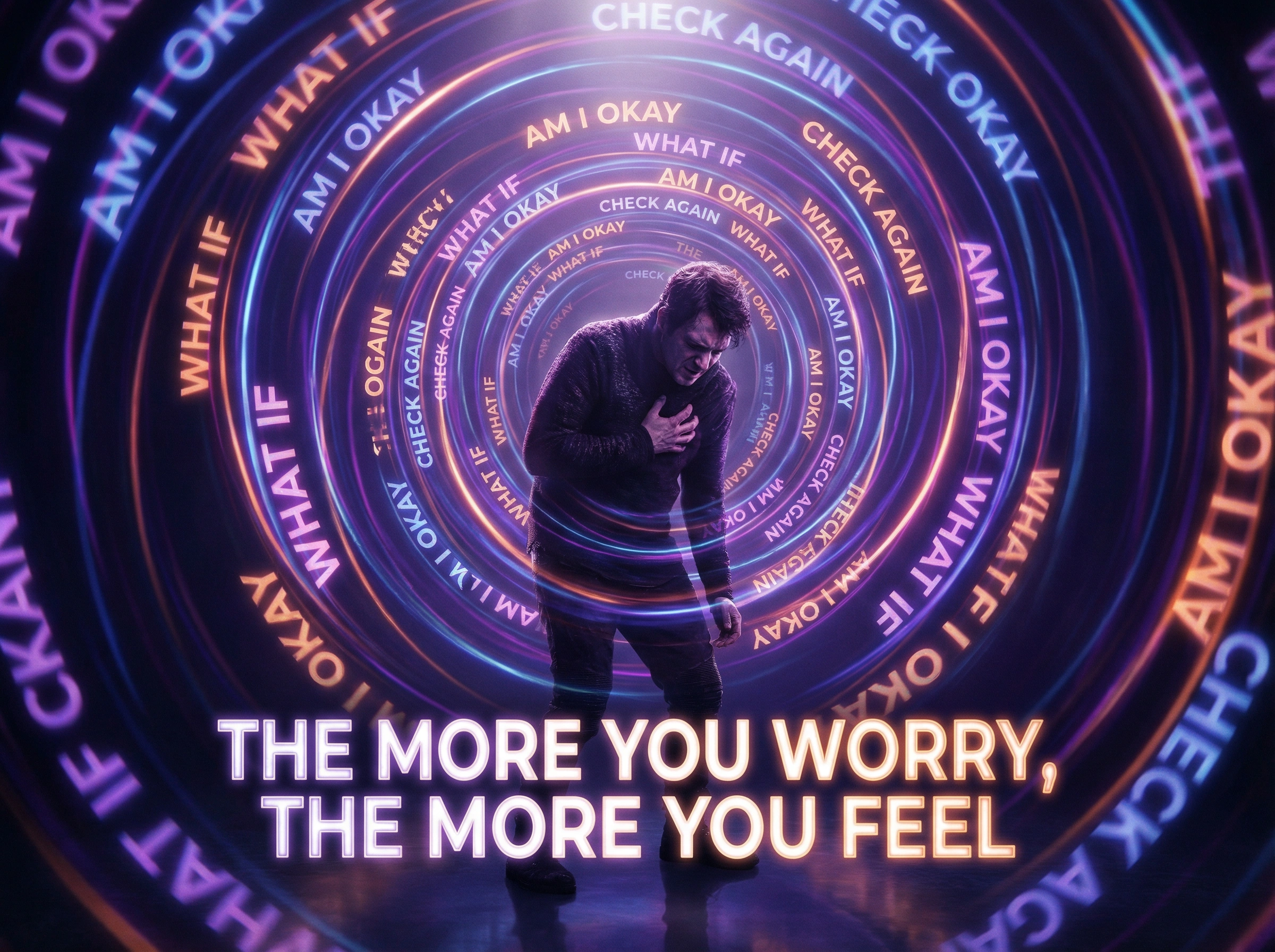
This hypervigilance creates a feedback loop. The more you worry about the sensation, the more your stress response activates, which creates more physical symptoms, which gives you more to worry about. It’s exhausting, and it can make you feel like you’re losing control of your own body.
Many people in this cycle start avoiding activities or situations where they’ve felt symptoms before. You might skip the gym, avoid crowded places, or turn down social invitations—not because you don’t want to go, but because you’re afraid of what your body might do.
You’re Not “Just Stressed”
If you’re experiencing persistent chest tightness or other physical symptoms tied to stress or anxiety, it’s important to understand: this isn’t weakness, and it’s not something you should just push through.
Anxiety disorders are among the most common mental health conditions, and they frequently manifest with physical symptoms. Generalized anxiety disorder, panic disorder, and health anxiety can all cause chest tightness, heart palpitations, shortness of breath, and other sensations that feel very real—because they are real.
The good news? These symptoms are highly treatable.
What Actually Helps
At Focused Connections Psychiatry, we approach these concerns with both compassion and clinical precision. We understand that when your body is sending distress signals, you need answers and relief—not dismissal.
A thorough evaluation helps us understand the full picture of what you’re experiencing. We look at your symptoms, your stress levels, your daily life, and any patterns that might be contributing to your physical discomfort.
Evidence-based treatment can include therapy approaches like cognitive-behavioral therapy (CBT), which helps you understand and change the thought patterns that fuel the stress-symptom cycle. Sometimes symptoms are so intense that the idea of therapy evokes more anxiety. Best practice shows that both medication management and therapy when used together have the best outcomes. For some patients, medication management provides relief by calming an overactive nervous system.
Practical coping strategies give you tools to use in the moment—breathing techniques, grounding exercises, and ways to interrupt the worry spiral before it intensifies.
Ongoing support ensures you’re not navigating this alone. Regular check-ins help us adjust your treatment as needed and celebrate your progress.
Moving Forward
That tightness in your chest when “nothing is wrong” is your body’s way of telling you that something is happening—your nervous system is overwhelmed, and it needs support.
You don’t have to keep wondering if each episode is the one you should worry about. You don’t have to keep avoiding life because you’re afraid of your own body’s reactions.
At Focused Connections Psychiatry, we combine compassionate, individualized care with evidence-based tools to help you understand what’s happening and find lasting relief. Because you deserve care that truly understands you—mind and body.
If chest tightness, racing thoughts, or persistent worry are affecting your daily life, reaching out is the first step toward feeling like yourself again. Contact us at (562) 312-1777 today or click here to schedule your free symptom assessment. Your journey to clarity and calm starts here.
If you’re experiencing thoughts of self-harm or suicide, please reach out to the National Suicide Prevention Lifeline at 988. You deserve immediate support.