When Sadness Becomes Persistent
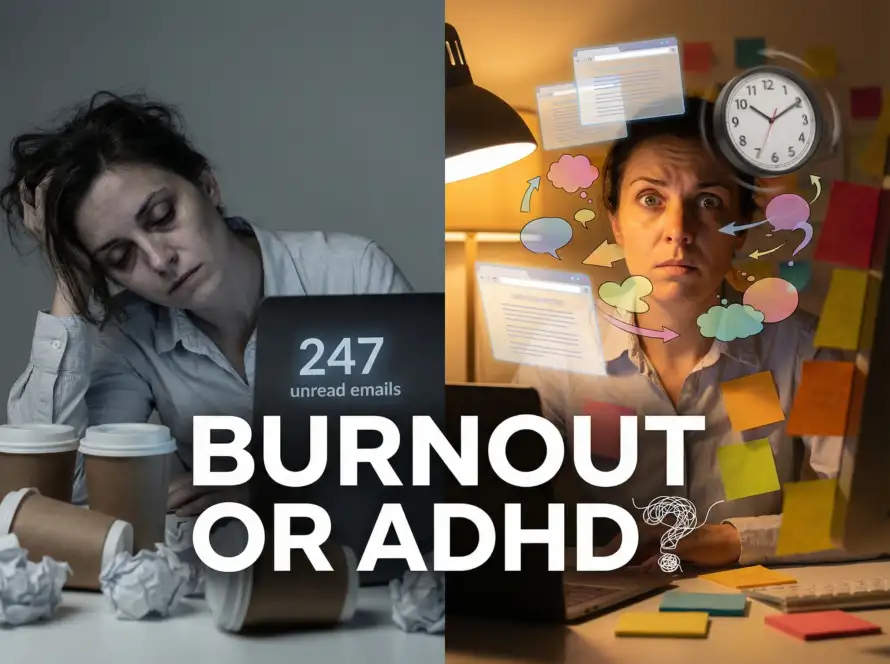
You’re sitting at your desk, scrolling through emails, and suddenly tears start streaming down your face. Or maybe you’re watching a commercial—nothing particularly sad—and you find yourself sobbing. You think, “What’s wrong with me? Why am I crying for no reason?”
If this sounds familiar, you’re not alone. And more importantly, there’s nothing wrong with you for feeling this way.
When Tears Show Up Uninvited
Crying without an obvious trigger can feel confusing and even a little scary. You might find yourself tearing up during everyday moments—while making dinner, sitting in traffic, or lying in bed at night. Sometimes the tears come with overwhelming sadness. Other times, they just appear, leaving you wondering where they even came from.
Here’s what’s important to understand: tears rarely show up for “no reason.” Even when you can’t pinpoint an obvious cause, your body and mind are trying to tell you something. Those unexpected tears might be your emotional system’s way of saying, “Hey, something needs attention here.”
The Difference Between Occasional Tears and Persistent Sadness
We all have emotional days. A touching moment, a stressful week, or even hormonal changes can bring tears. That’s completely normal and healthy.
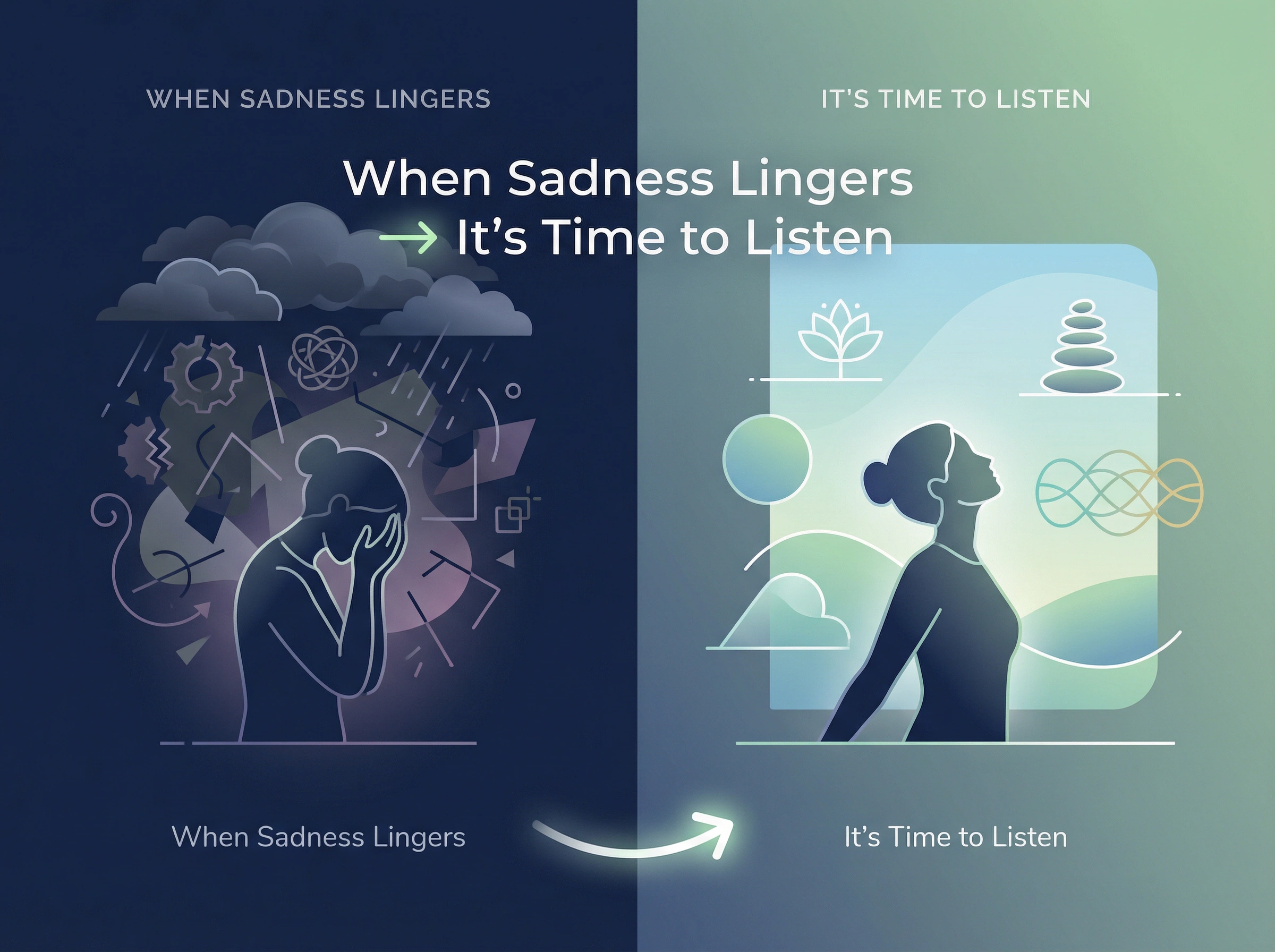
But when crying spells become frequent—when sadness lingers like a heavy fog that won’t lift—it may signal something deeper. You might notice:
- Crying multiple times a week without clear triggers
- Feeling emotionally fragile, like anything could make you break down
- A persistent heaviness in your chest or a sense of emptiness
- Difficulty finding joy in activities you used to love
- Feeling exhausted even when you’re getting enough sleep
- Withdrawing from friends and family because it feels like too much effort
When these patterns persist for weeks or longer, and when they start affecting your daily life, it’s worth paying attention. This isn’t about being “too sensitive” or “not handling things well.” It’s about recognizing that your emotional well-being deserves care and support.
What Might Be Behind the Tears
Several factors can contribute to persistent sadness and unexplained crying:
Depression doesn’t always look like what we see in movies. It’s not always dramatic or obvious. Sometimes it’s subtle—a quiet sadness that settles in and refuses to leave. It can make small tasks feel monumental and drain color from experiences that used to bring happiness.
Anxiety and overwhelm can also manifest as tears. When your mind is constantly racing with worries, when you’re carrying the weight of too many responsibilities, your body eventually needs a release. Sometimes that release comes through crying, even when you can’t articulate exactly what’s wrong.
Life transitions and accumulated stress can catch up with you in unexpected ways. Maybe you’ve been pushing through challenges at work, navigating relationship difficulties, or dealing with changes you haven’t fully processed. Your emotions don’t always surface in the moment—sometimes they emerge later, when you finally have space to feel them.
Physical health factors like hormonal changes, sleep deprivation, or certain medical conditions can also affect your emotional regulation, making you more prone to tears and sadness.
You’re Not “Just Stressed”
One of the most invalidating things people hear is, “You’re just stressed” or “Everyone goes through tough times.” While stress is universal, persistent sadness that interferes with your daily functioning is different. It deserves acknowledgment, not dismissal.

If sadness is affecting your ability to work, maintain relationships, take care of yourself, or find any sense of peace, that’s significant. It doesn’t matter if someone else “has it worse” or if you feel like you “should” be able to handle things better. Your experience is valid, and seeking support is a sign of strength, not weakness.
When to Seek Help
Consider talking to a mental health professional if:
- Your crying spells are happening frequently and feel uncontrollable
- You’re experiencing other symptoms like changes in sleep, appetite, or energy
- You’re having thoughts of hopelessness or that things won’t get better
- You’re withdrawing from activities and people you care about
- You’re struggling to function at work, school, or home
- You’ve noticed these patterns lasting for several weeks or longer
What Support Can Look Like
At Focused Connections Psychiatry, we understand that reaching out for help can feel vulnerable. Many people worry about being judged or dismissed. They wonder if their symptoms are “serious enough” to warrant professional care.

Here’s what we want you to know: if it’s affecting your daily life, it’s worth discussing. A comprehensive psychiatric evaluation can help identify what’s contributing to your symptoms and create a personalized treatment plan that addresses your unique needs.
Treatment might include therapy, medication management, lifestyle adjustments, or a combination of approaches. The goal isn’t to eliminate all sadness—emotions are part of being human—but to help you regain a sense of balance, clarity, and hope.
You Deserve to Feel Like Yourself Again
Those unexpected tears are your mind and body asking for care. Listening to that signal and seeking support isn’t giving up—it’s choosing yourself. It’s recognizing that you deserve to feel grounded, to experience joy again, and to move through life without carrying such a heavy emotional weight.
You don’t have to figure this out alone. Help is available, and feeling better is possible.
If you’re experiencing persistent sadness or unexplained crying, the compassionate team at Focused Connections Psychiatry is here to help. Contact us at (562) 312-1777 today or click here to schedule your free symptom assessment. You deserve care that truly understands you.