Understanding the Anxiety That Won’t Let Go
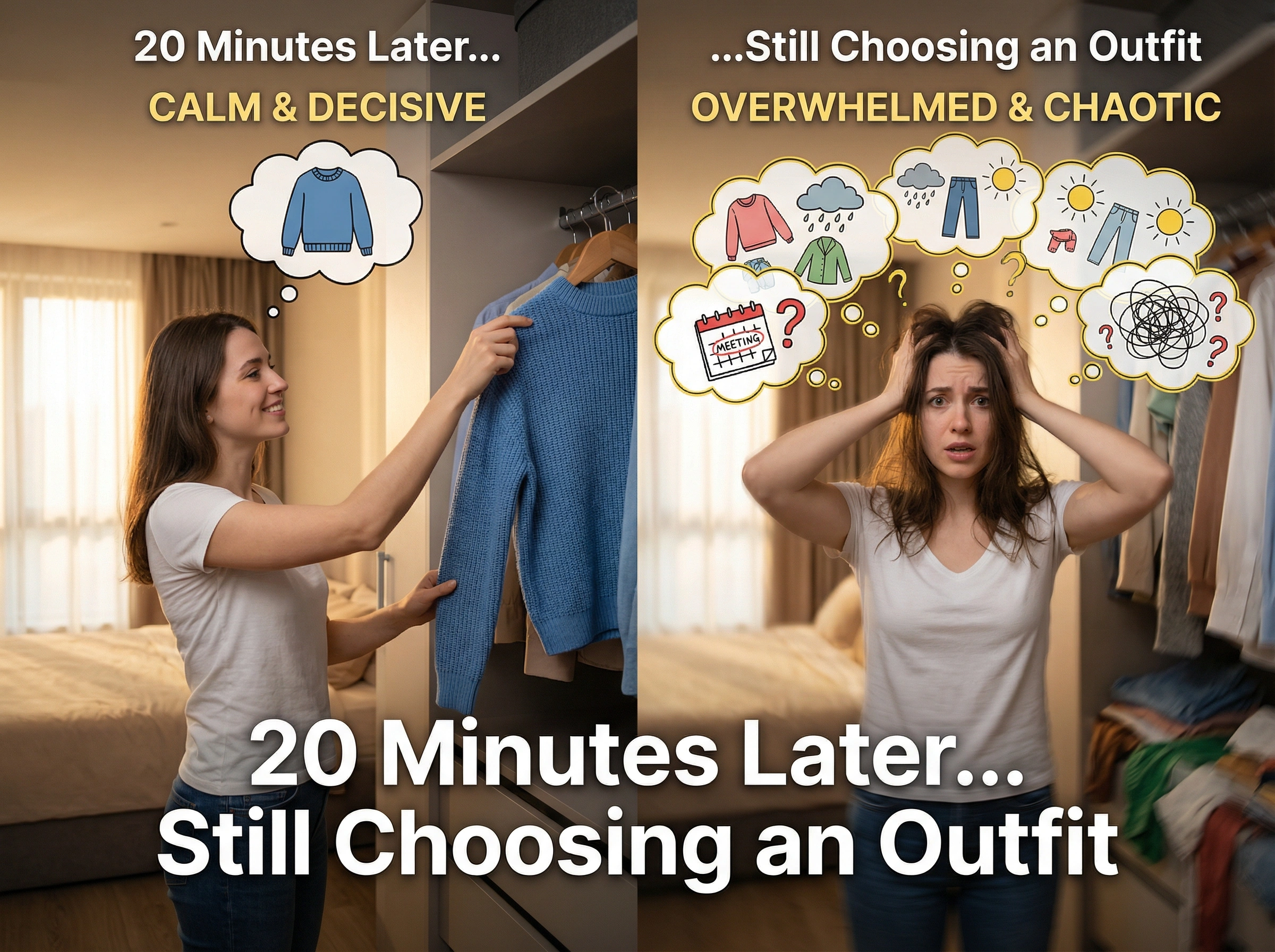
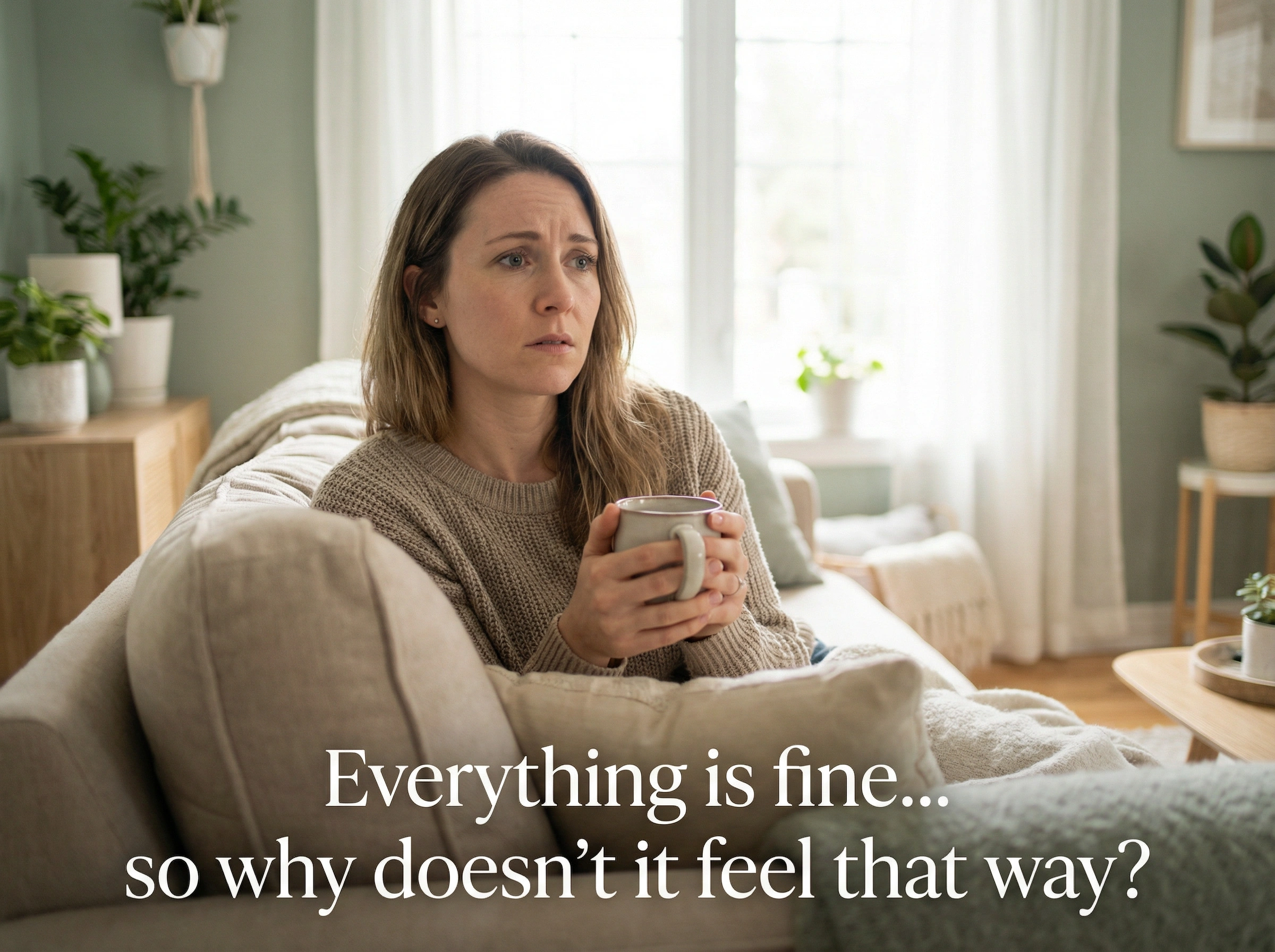
You’ve checked everything off your to-do list. Work is going well. Your relationships are stable. There’s no crisis looming on the horizon. And yet, you can’t shake this feeling—this constant hum of tension running through your body, this voice in your head whispering that something, somewhere, is about to go wrong.
You tell yourself to relax. You try deep breathing. You remind yourself that everything is actually okay. But your mind won’t listen. Your shoulders stay tight. Your jaw stays clenched. And you’re left wondering: Why can’t I just relax like everyone else?
If this sounds familiar, you’re not alone. And more importantly, what you’re experiencing isn’t a personal failing—it’s often a sign of anxiety that’s operating beneath the surface of your daily life.
When Your Body Stays on High Alert
Anxiety doesn’t always announce itself with obvious panic attacks or dramatic moments of fear. Sometimes, it shows up as a persistent inability to feel at ease, even when logic tells you there’s nothing to worry about. Your nervous system gets stuck in a state of vigilance, constantly scanning for threats that may not even exist.
This is what many people describe as feeling “on edge” or “waiting for the other shoe to drop.” Your body is preparing for danger, but there’s no actual danger to respond to. It’s exhausting, confusing, and can make you feel like you’re failing at something as simple as relaxation.
The truth is, your brain may have learned to associate relaxation with vulnerability. If you’ve spent years managing high-stress situations, perfectionism, or the pressure to keep everything together, your nervous system might interpret calmness as unsafe.
Counterintuitive as it sounds, staying tense can feel more familiar—and therefore more comfortable—than letting your guard down.
The “What If” Loop That Never Ends
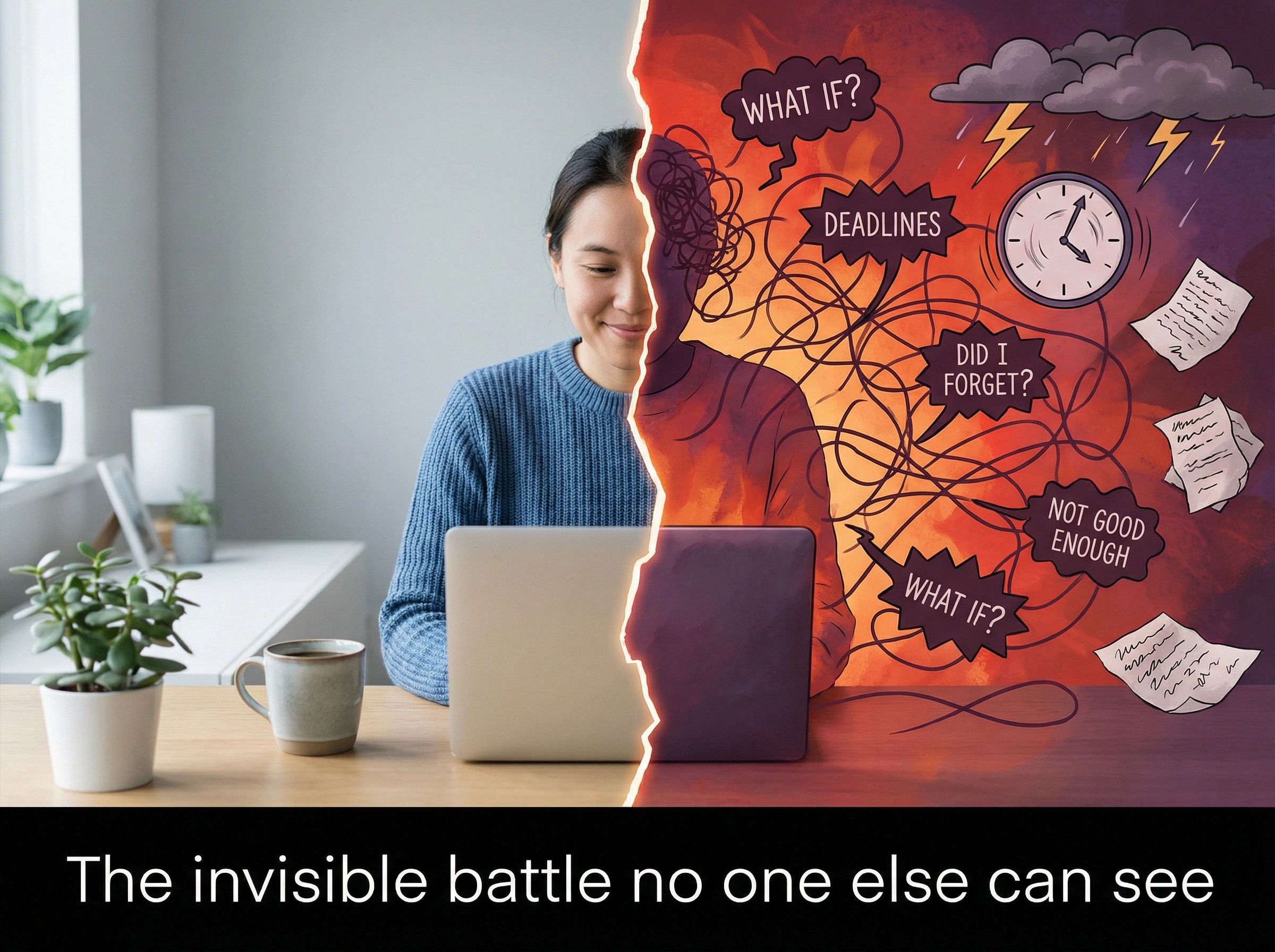
Another hallmark of this type of anxiety is the constant mental chatter. Even when everything is objectively fine, your mind finds something to worry about:
What if I’m missing something important?
What if this good moment doesn’t last?
What if I’m not prepared for what comes next?
These “what if” thoughts can feel productive—like you’re problem-solving or staying ahead of potential issues. But in reality, they’re keeping you trapped in a cycle of anticipatory anxiety.
You’re not actually solving problems; you’re creating hypothetical ones and then trying to manage them.
This overthinking isn’t a character flaw. It’s often how anxiety manifests in high-functioning individuals who’ve learned to cope by staying mentally busy. The problem is, your brain never gets a break, and neither do you.
Physical Symptoms You Might Not Connect to Anxiety
Many people don’t realize that their physical discomfort is linked to anxiety. You might experience:
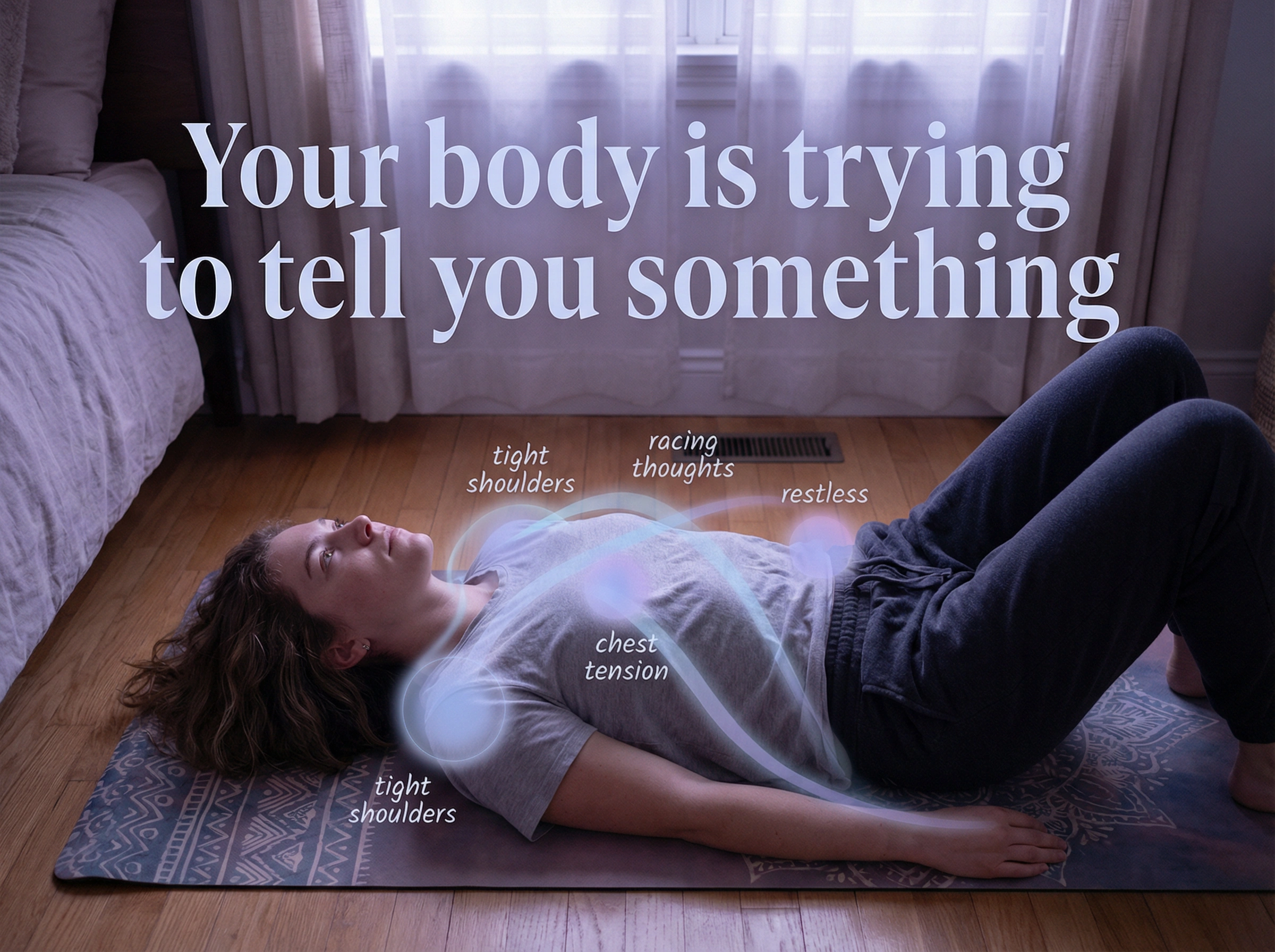
- Persistent muscle tension, especially in your neck, shoulders, or jaw
- Restlessness or feeling like you can’t sit still
- Fatigue that doesn’t improve with rest
- Difficulty falling asleep because your mind won’t quiet down
- Stomach issues or a constant feeling of unease in your body
- A racing heart or chest tightness, even when you’re not actively worried
These symptoms can be so constant that they start to feel normal. You might think, “This is just how I am,” or “Everyone feels this way.” But chronic physical tension and discomfort aren’t something you have to accept as your baseline.
Why “Just Relax” Doesn’t Work
If you’ve been told to “just relax” or “stop worrying so much,” you know how unhelpful that advice feels. It’s like telling someone with a broken leg to just walk it off. Anxiety isn’t something you can simply think your way out of, especially when it’s become a deeply ingrained pattern.
Your nervous system needs more than willpower to shift out of high-alert mode. It needs support, understanding, and often, professional guidance to help retrain your body’s stress response.
What Actually Helps
The good news is that this type of anxiety is highly treatable. Understanding what’s happening is the first step.
When you recognize that your inability to relax isn’t a personal weakness but rather a pattern your nervous system has learned, you can start to approach it with more compassion—and more effective strategies.
Professional support can make a significant difference. A comprehensive psychiatric evaluation can help identify whether you’re experiencing generalized anxiety disorder, adjustment-related stress, or another condition that’s keeping your nervous system activated. From there, a personalized treatment plan might include:
- Medication management to help regulate your nervous system and reduce baseline anxiety
- Therapeutic techniques that teach your body how to feel safe in stillness
- Lifestyle adjustments that support nervous system regulation
- Ongoing support as you learn new patterns of responding to stress

You Deserve to Feel at Ease
Living in a constant state of tension isn’t sustainable, and it’s not something you have to accept. If you find yourself unable to relax even when everything is fine, it’s worth exploring what’s happening beneath the surface.
At Focused Connections Psychiatry, we understand that anxiety doesn’t always look like panic—sometimes it looks like someone who’s doing everything right but can’t seem to feel okay.
Our team provides compassionate, individualized care that helps you understand your symptoms and find relief that lasts. You don’t have to keep pushing through. You deserve care that helps you feel calm, grounded, and truly at ease—even when life is good.
If you’re ready to explore why relaxation feels so difficult, we’re here to help. Contact us at (562) 312-1777 today or click here to schedule your free symptom assessment.