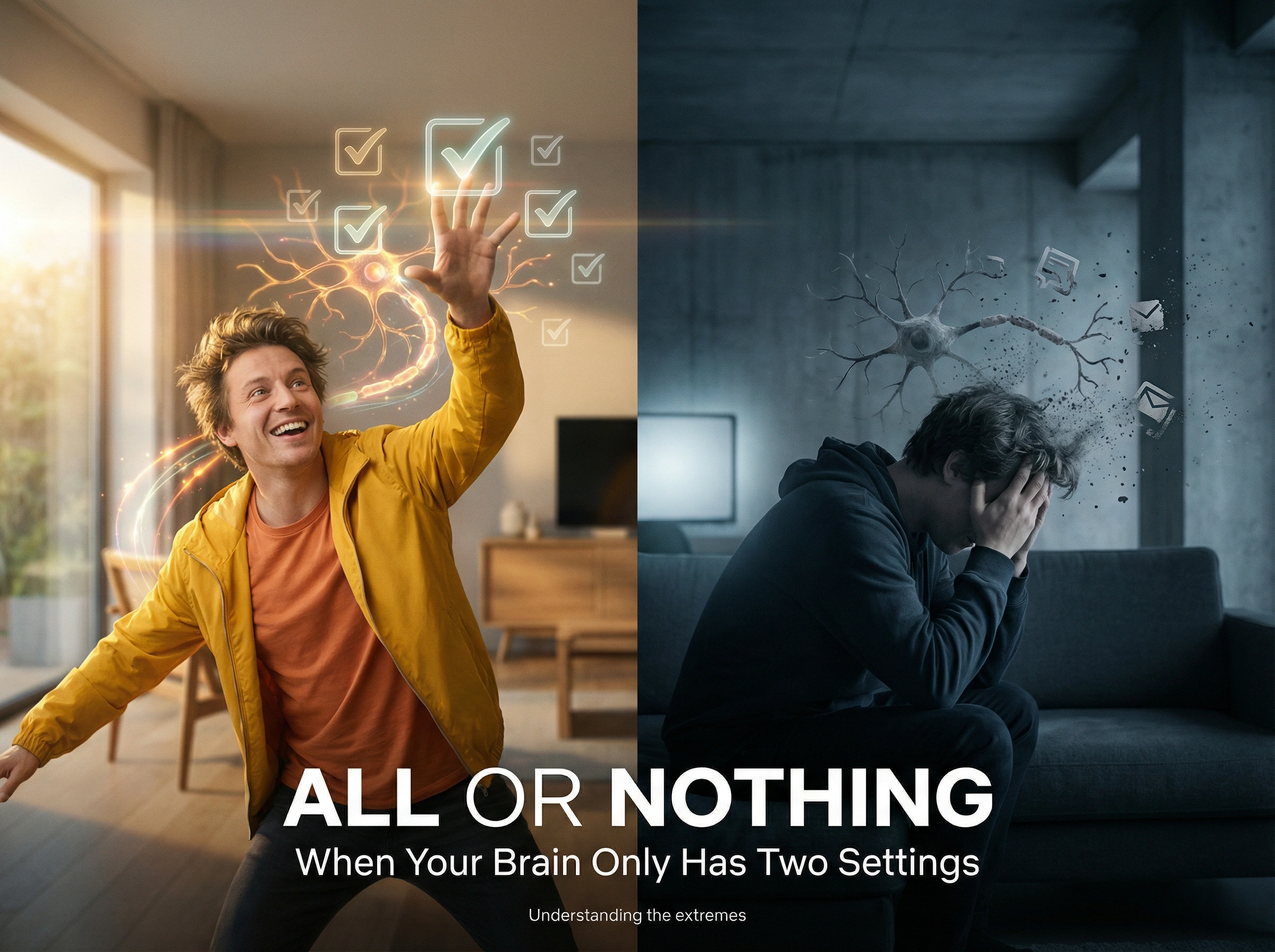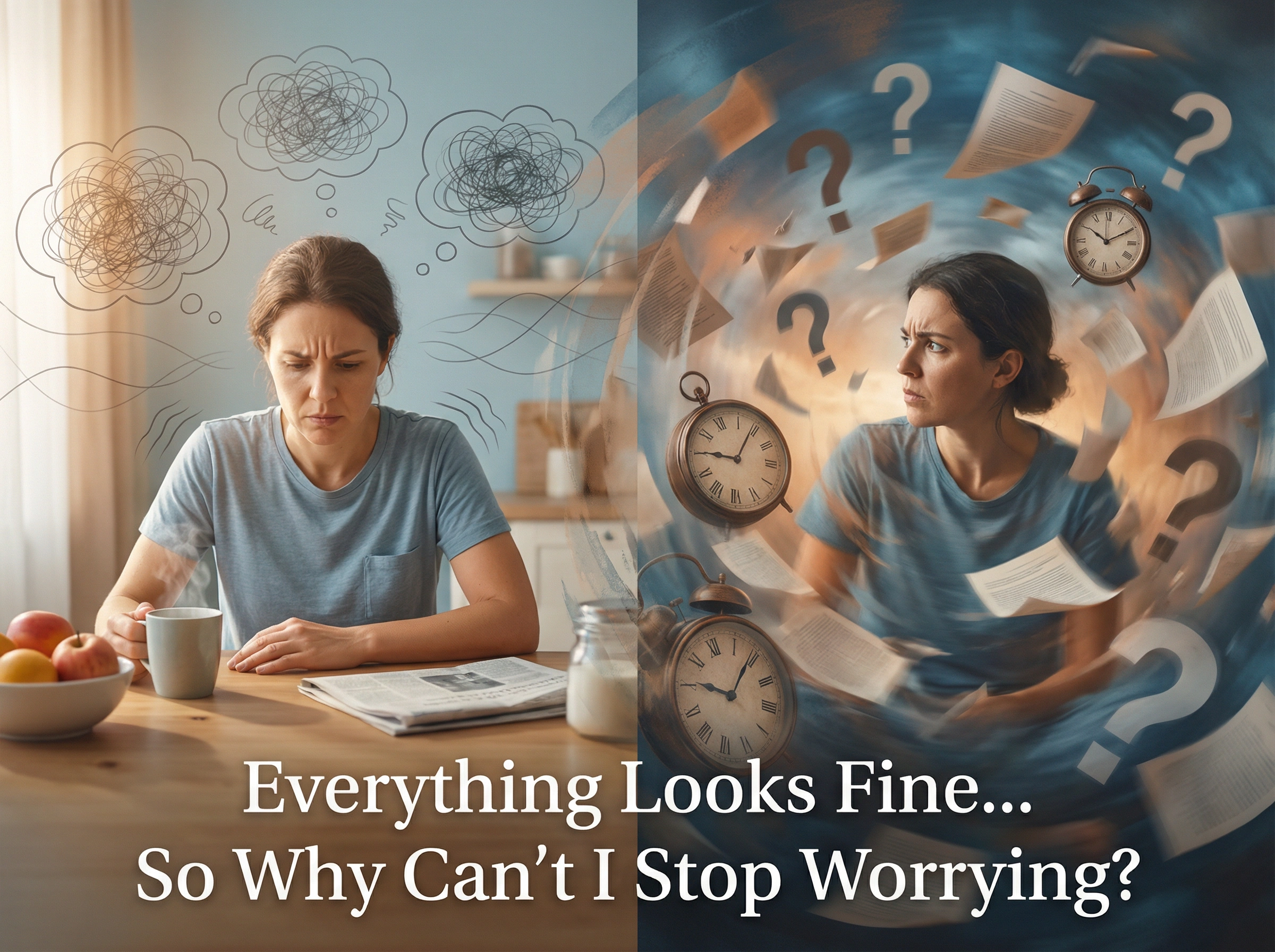
Understanding the Line Between Everyday Lapses and ADHD
We’ve all been there—walking into a room and forgetting why, misplacing your keys for the third time this week, or blanking on someone’s name moments after being introduced.
These everyday memory slips are part of being human, especially in our overstimulated, multitasking world. But what happens when forgetfulness stops being occasional and starts affecting your job, relationships, and sense of self-worth?
If you’ve ever wondered, “Is this just normal forgetfulness, or is something else going on?“—you’re not alone. Many people struggle to identify when their memory issues cross the line from typical to concerning. At Focused Connections Psychiatry, we help individuals understand the difference and find clarity through comprehensive evaluation and compassionate care.
The Everyday Forgetfulness We All Experience
Normal forgetfulness is usually situational and temporary. You might forget where you parked at the mall, lose track of what you were saying mid-sentence when distracted, or need to check your calendar multiple times for an upcoming appointment. These lapses often happen when you’re:
- Stressed or overwhelmed
- Sleep-deprived
- Juggling too many tasks at once
- Not fully paying attention in the moment
The key characteristic of typical forgetfulness is that it doesn’t significantly disrupt your daily functioning. You might feel momentarily frustrated, but you can usually recover, adapt, and move forward without major consequences.

When Forgetfulness Becomes a Pattern
But what if your forgetfulness isn’t occasional? What if it’s a persistent pattern that follows you everywhere—at work, at home, in your relationships? This is where the line begins to blur, and it’s worth paying attention.
Consider these scenarios:
At work: You consistently miss important details in emails, even when you’ve read them multiple times. You start projects with enthusiasm but struggle to follow through because you forget crucial steps. Colleagues have to remind you about meetings you scheduled yourself, and you’ve missed deadlines despite your best intentions.
At home: You lose your wallet, keys, or phone almost daily. Bills pile up not because you can’t afford them, but because you genuinely forget they exist until you receive a late notice. You buy duplicates of items you already own because you forgot you had them.
In relationships: You forget important dates, conversations you had just days ago, or promises you made to loved ones. Friends and family might say things like, “I already told you this,” leaving you feeling embarrassed and disconnected.
If these patterns sound painfully familiar, it’s important to know: this isn’t about being careless or not trying hard enough. For many people, persistent forgetfulness is a symptom of an underlying condition like ADHD.
The ADHD Connection: More Than Just Forgetfulness
Attention-Deficit/Hyperactivity Disorder (ADHD) is often misunderstood as simply being “hyper” or “easily distracted.” In reality, ADHD affects executive function—the brain’s ability to organize, plan, remember, and follow through on tasks. According to the National Institute of Mental Health, ADHD is a neurodevelopmental disorder that impacts millions of adults, many of whom went undiagnosed in childhood.
When ADHD is at play, forgetfulness isn’t just about memory—it’s about how your brain processes and prioritizes information.
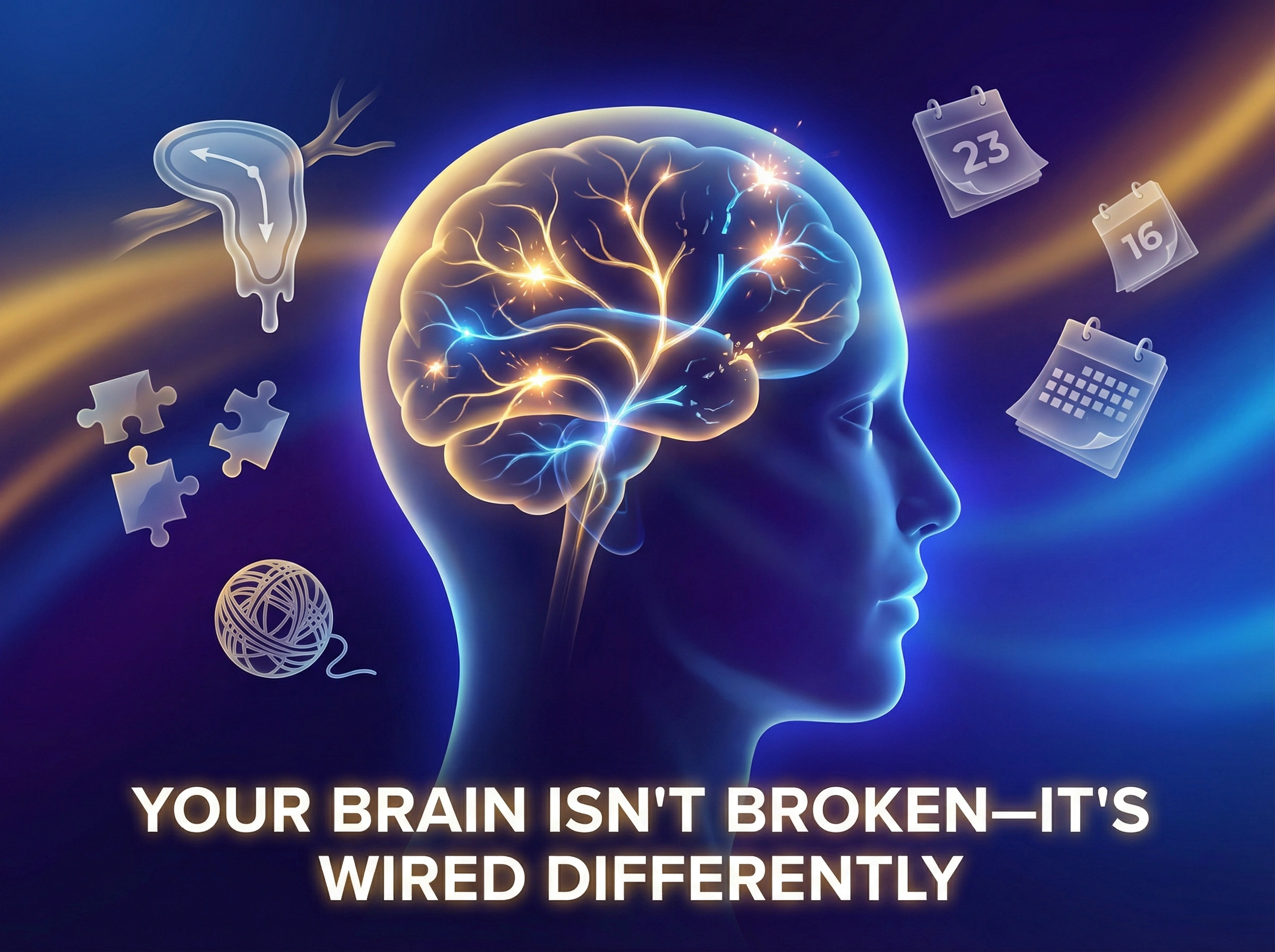
People with ADHD often experience:
- Working memory challenges: Difficulty holding information in mind long enough to use it (like remembering instructions while trying to complete a task)
- Time blindness: Losing track of time or underestimating how long tasks will take
- Task initiation problems: Knowing what needs to be done but struggling to start, often because the steps feel overwhelming or unclear
- Difficulty with transitions: Forgetting what you were doing when interrupted or switching between tasks
These aren’t character flaws or signs of laziness. They’re real, brain-based differences in how information is processed and retained.
The Emotional Toll of Chronic Forgetfulness
Perhaps the most overlooked aspect of persistent forgetfulness is its emotional impact. When you repeatedly forget things that seem easy for others to remember, it’s natural to internalize shame and self-criticism. You might think:
- “What’s wrong with me?”
- “Why can’t I just remember like everyone else?”
- “I must be lazy or not trying hard enough”
This internal narrative can lead to anxiety, depression, and a deep sense of inadequacy. The exhaustion of constantly trying to compensate—setting multiple alarms, writing endless reminders, or overworking to make up for missed details—takes a serious toll on your mental health and quality of life.
Finding Clarity Through Proper Evaluation
If your forgetfulness has moved beyond occasional lapses and is genuinely impacting your life, seeking a professional evaluation is a powerful step forward. At Focused Connections Psychiatry, we understand that getting clarity isn’t about labeling yourself—it’s about understanding how your brain works so you can find strategies and support that actually fit.
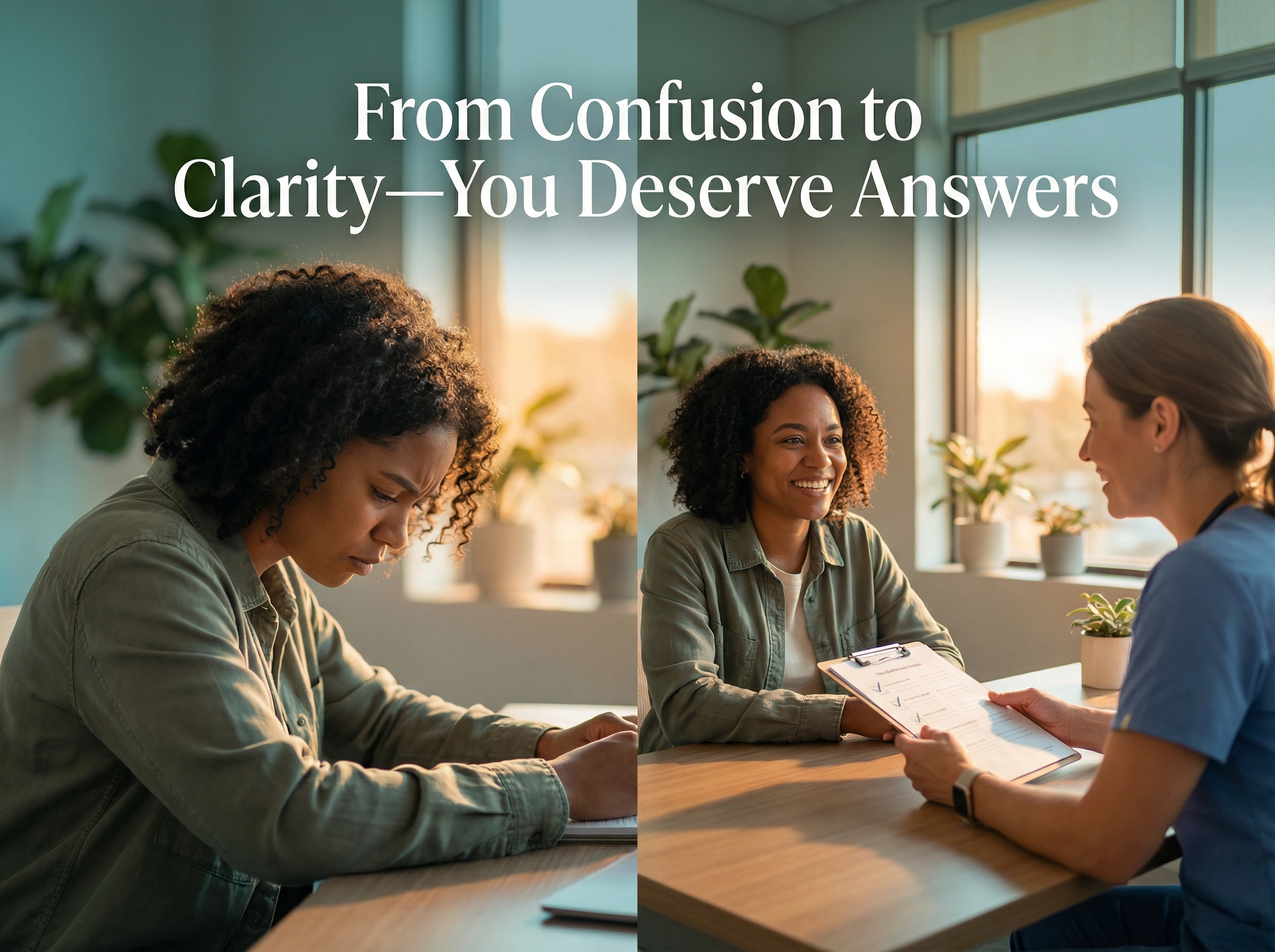
Our comprehensive ADHD evaluations include detailed clinical interviews, symptom assessments, and advanced tools like T.O.V.A. testing to provide objective data about attention and impulse control. We look at the whole picture—your history, current challenges, and how symptoms show up across different areas of your life.
You Deserve Answers and Support
Forgetfulness that disrupts your daily life, relationships, and self-esteem deserves attention and care. Whether it’s ADHD, another condition, or a combination of factors, understanding the root cause opens the door to effective treatment and real relief.
You’re not broken, and you’re not alone. There is an explanation, and there is a path forward. If you’re ready to move from confusion to clarity, we’re here to help.
This information is for education and support only and is not a substitute for a professional evaluation or treatment. If you’re struggling with persistent forgetfulness or other symptoms, reaching out for help is a strong and important step.
Ready to find answers? Contact Focused Connections Psychiatry at (562) 312-1777 or visit us at 4132 Katella Avenue, Suite 200, Los Alamitos, CA 90720 to schedule your free symptom assessment.