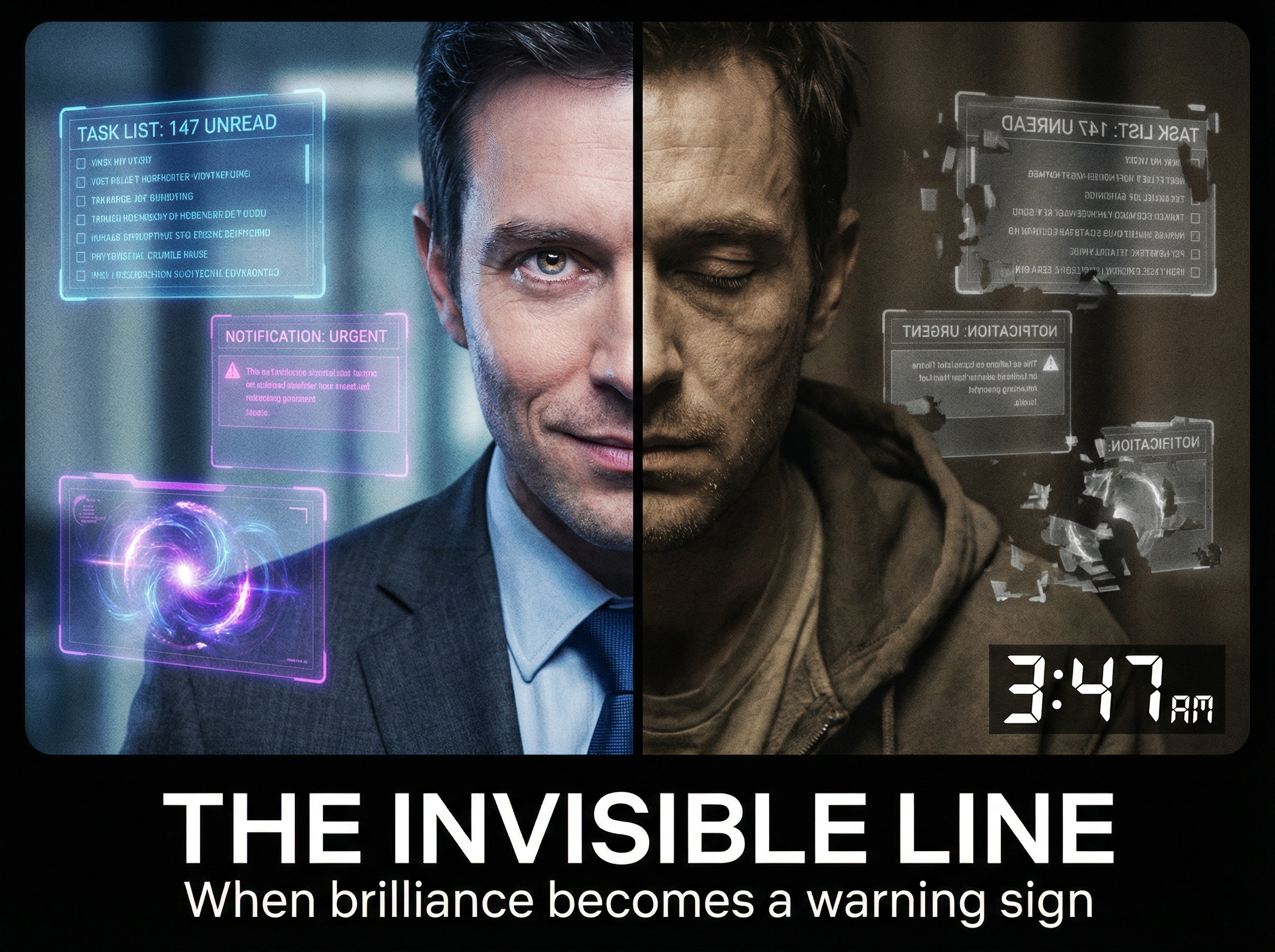
Understanding the Fine Line Between Self-Assurance & Mania
There’s a moment many people experience—a surge of energy, a flood of brilliant ideas, a feeling that anything is possible. You’re on top of the world. Sleep feels optional.
Your mind races with plans, projects, and possibilities. You feel unstoppable, invincible even. But what if that confidence isn’t just a good day? What if it’s a signal that something deeper is happening beneath the surface?
At Focused Connections Psychiatry, we understand that the line between healthy confidence and risky elevated mood states can be incredibly thin—and recognizing the difference can be life-changing.
The Confidence That Feels Like a Superpower
Imagine waking up with more energy than you’ve had in months. Ideas flow effortlessly. You’re charming, articulate, and suddenly the life of every conversation.
You take on three new projects at work, sign up for a marathon, and start planning a business venture—all in the same week. You’re sleeping just three or four hours a night, but you don’t feel tired. In fact, you feel more alive than ever.
To the outside world, you might look like you’re thriving. To yourself, it feels like you’ve finally unlocked your true potential. But for some people, this isn’t just confidence—it’s the beginning of a hypomanic or manic episode, a hallmark of bipolar disorder.
When Confidence Crosses Into Risk
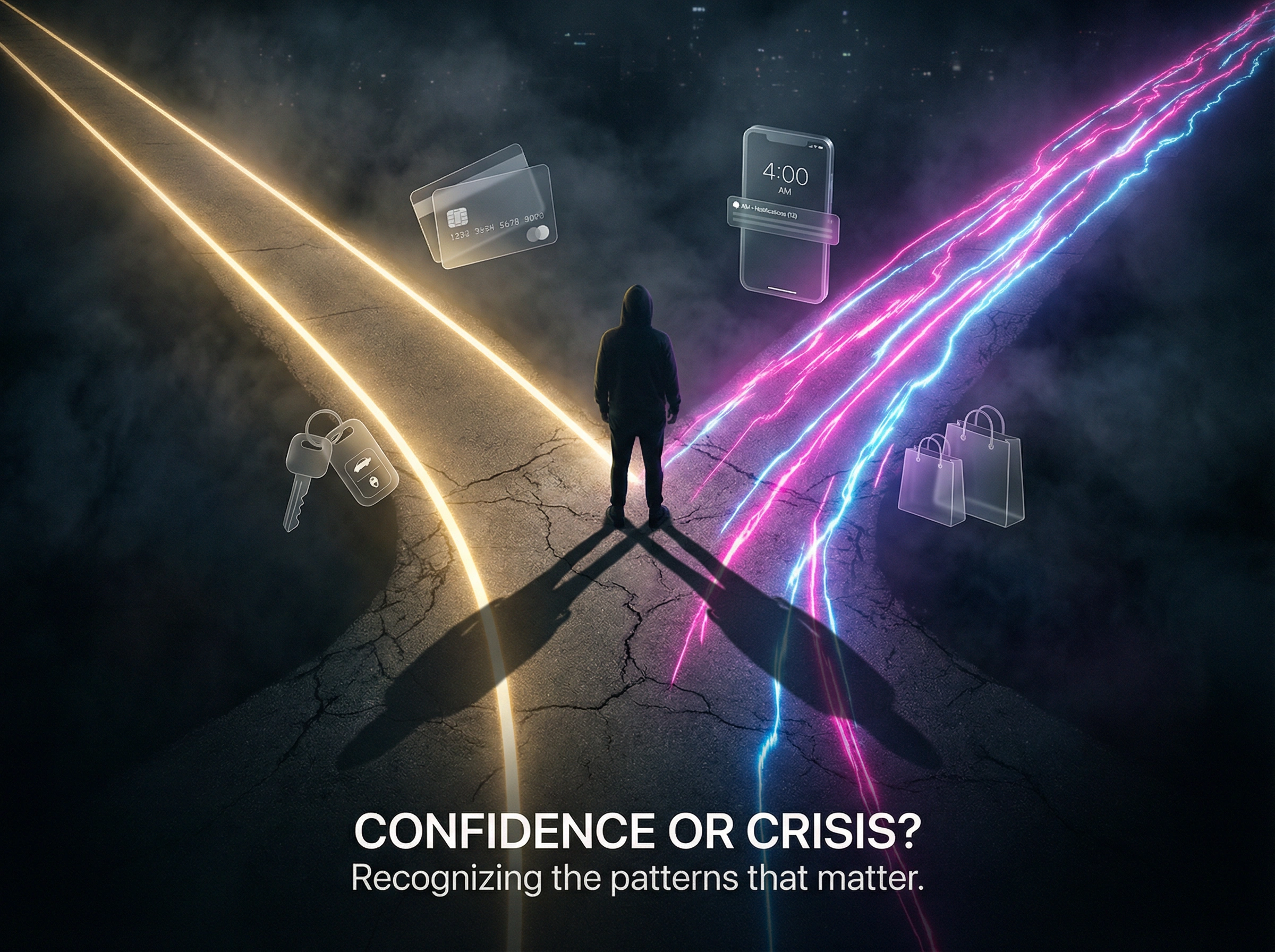
The challenge is that elevated mood states don’t always announce themselves as problems. They often feel good—at least at first. You might find yourself:
- Making impulsive decisions without considering consequences—like making large purchases, quitting your job on a whim, or engaging in risky behaviors
- Talking faster than usual, jumping from topic to topic so quickly that others struggle to keep up
- Feeling unusually confident or grandiose, believing you can accomplish things that might not be realistic
- Needing very little sleep but still feeling energized and wired
- Taking on far too many commitments at once, overestimating your capacity
- Engaging in activities with potential for painful consequences, such as reckless driving, excessive spending, or increased sexual indiscretion
These experiences can feel exhilarating in the moment. But they often lead to consequences that are difficult to undo—damaged relationships, financial strain, professional setbacks, or physical danger.
The Crash That Follows
What makes these elevated states particularly concerning is what often comes next. Many people who experience periods of intense energy and confidence later find themselves in the opposite state—exhausted, depleted, and struggling with deep depression. The contrast can be jarring and confusing.
You might ask yourself: “Why can’t I stay consistent? Why do I cycle between feeling unstoppable and unable to move? Why does everyone only see the productive version of me, not the crash?”
This pattern of highs and lows is a key feature of bipolar disorder, a condition that affects millions of people but is often misunderstood or unrecognized—especially in its earlier stages.
Why Recognition Matters
The truth is, many people live with undiagnosed bipolar disorder for years, mistaking their mood cycles for personality quirks, stress responses, or simple depression.
They might seek help during the low periods but never mention the high-energy phases—either because they don’t recognize them as symptoms or because those periods feel too good to question.
But early recognition and appropriate support can make an enormous difference. Understanding your mood patterns isn’t about losing your creativity, drive, or personality. It’s about gaining stability so you can sustain your goals without the destructive consequences that unmanaged mood cycles can bring.

What Healthy Confidence Looks Like
Healthy confidence is steady. It doesn’t require you to abandon sleep or make decisions you’ll regret. It doesn’t leave you feeling agitated, restless, or unable to slow down. True self-assurance allows you to pursue your goals thoughtfully, maintain your relationships, and make choices that align with your long-term values.
When confidence becomes risky, it’s often accompanied by a sense of urgency, invincibility, or restlessness that feels different from your baseline. Friends and family might notice changes in your behavior—your speech, your decision-making, your sleep patterns. These observations aren’t criticisms; they’re often the first clues that something has shifted.
You’re Not Alone in This
If you’re reading this and recognizing patterns in yourself or someone you love, know that you’re not alone. Many people experience mood cycles like these, and your experiences deserve care and understanding. Bipolar disorder is treatable, and with the right support, people live full, stable, and meaningful lives.
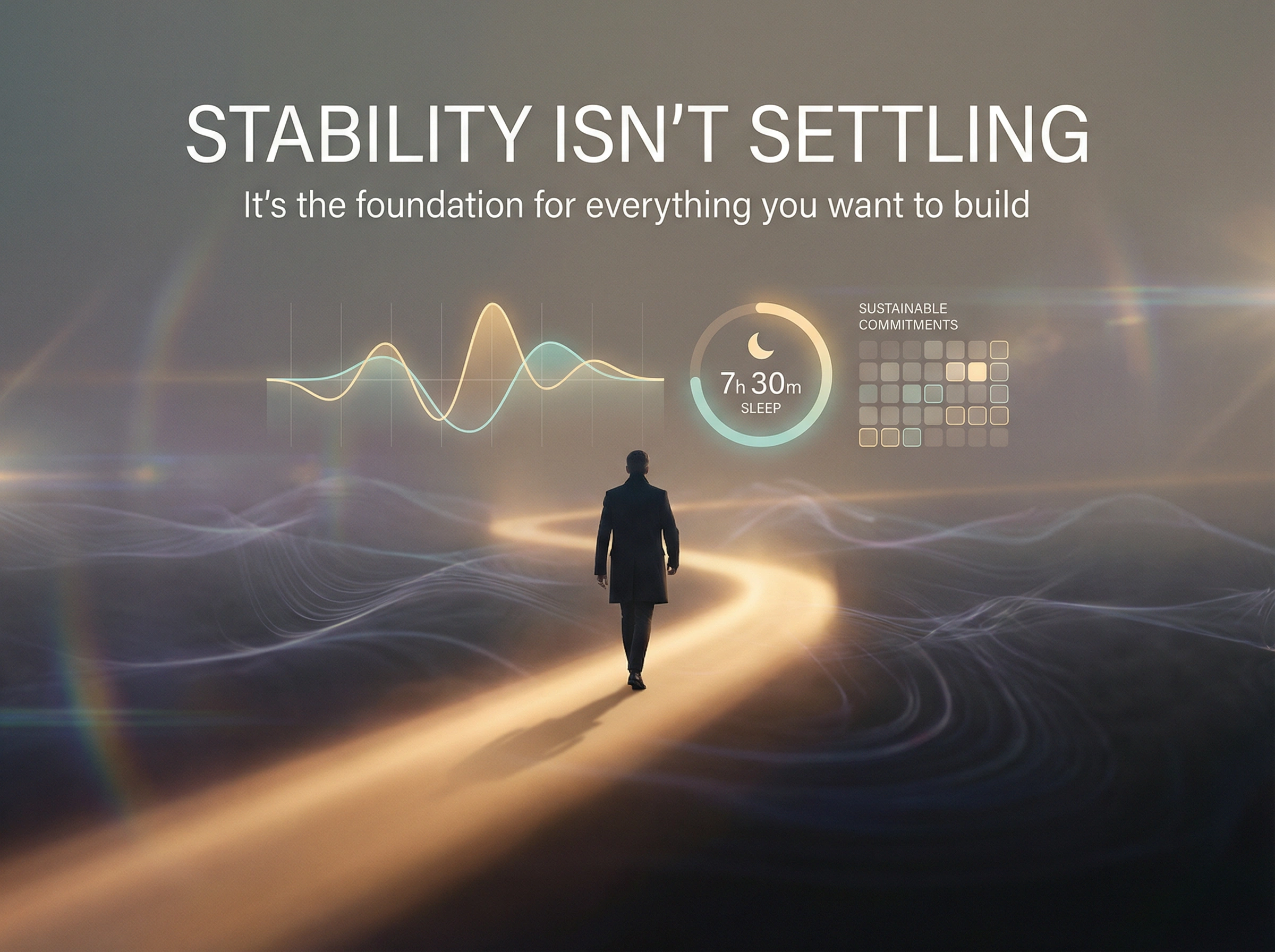
Only a licensed clinician can determine what’s happening, but exploring support is a strong and courageous step. At Focused Connections Psychiatry, we provide compassionate, individualized evaluations that help you understand your mood patterns, identify triggers, and develop a personalized plan for long-term stability.
Taking the Next Step
Your journey toward clarity begins with a conversation. Whether you’re noticing mood inconsistencies for the first time or you’ve been struggling to understand your patterns for years, we’re here to help you make sense of what you’re experiencing—without judgment, without labels, just with genuine care and clinical expertise.
Because confidence should empower you, not endanger you. And understanding the difference can change everything.
If you or someone you care about is experiencing extreme mood shifts, we encourage you to reach out. Contact us at (562) 312-1777 today or click here to schedule your free symptom assessment. Your experiences deserve understanding, and support is available.