Before Your First Appointment
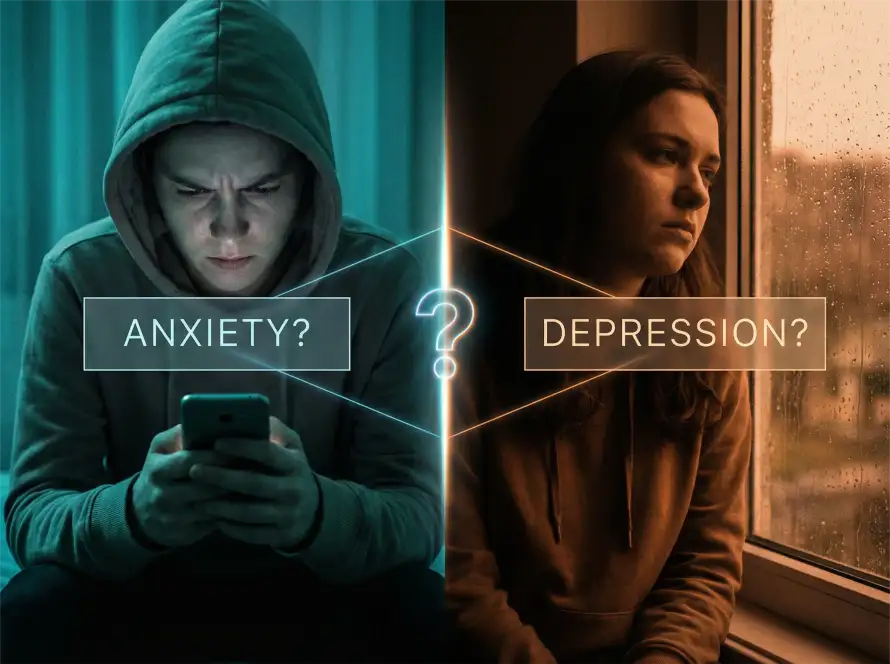
Walking into a psychiatrist’s office for the first time can feel overwhelming. Your mind races with questions, concerns, and maybe even a bit of fear about what to expect.
At Focused Connections Psychiatry, we’ve sat across from thousands of patients during their first visits, and we’ve noticed something important: there are key insights that, if known beforehand, could make your journey toward mental wellness smoother, more productive, and far less stressful.
Here’s what your psychiatrist truly wishes you knew before that first appointment.
You Don’t Need to Have All the Answers
Many people arrive at their first psychiatric appointment feeling pressure to perfectly articulate what’s wrong. They’ve rehearsed their symptoms, worried about forgetting important details, or stressed about “saying the right thing.” Here’s the truth: you don’t need to have it all figured out.
Your psychiatrist isn’t expecting a polished presentation. In fact, the messy, uncertain feelings you’re experiencing are exactly what we’re trained to help you navigate.
Whether you’re noticing mood swings you can’t explain, struggling with focus at work, or feeling anxious without knowing why, simply sharing what you’re experiencing is enough. We’ll ask the right questions to help clarify the picture together.

Your Story Matters More Than You Think
While symptoms are important, the context of your life matters just as much. Your psychiatrist wants to understand not just what you’re experiencing, but how it’s affecting your daily life, relationships, work, and sense of self.
Don’t hesitate to share the full picture: your sleep patterns, energy levels throughout the day, how you felt during significant life events, family history of mental health conditions, and even those small details that seem insignificant. That “weird” thing you do when you’re stressed?
The pattern you’ve noticed but never mentioned to anyone? These details often provide crucial insights that lead to more accurate understanding and personalized care.
Psychiatric Care Is a Partnership, Not a Quick Fix
One of the biggest misconceptions about psychiatry is that it’s a one-and-done solution. Many patients hope for an immediate diagnosis and instant relief. While we wish mental health worked that way, the reality is more nuanced—and ultimately more effective.
Think of your relationship with your psychiatrist as a partnership. We bring clinical expertise, evidence-based treatments, and diagnostic tools like our ADHD T.O.V.A. testing and GeneSight genetic testing.
You bring your lived experience, observations about what helps or doesn’t help, and commitment to the process. Together, we create a treatment plan that evolves with you.
This means that finding the right approach may take time. Medications might need adjustments. Strategies will be refined. And that’s not failure—that’s personalized medicine working exactly as it should.

Honesty Accelerates Your Healing
Your psychiatrist has heard it all, and we mean all. There’s no symptom too embarrassing, no thought too dark, and no behavior too shameful to share. The treatment room is a judgment-free zone designed specifically for you to be completely honest.
If you’re not taking your medication as prescribed, tell us. If you’re using substances to cope, we need to know. If you’re having thoughts of self-harm, that’s critical information.
Withholding details—even with good intentions—only delays your path to feeling better. We can’t help you navigate challenges we don’t know exist.
Remember: your psychiatrist’s goal isn’t to judge you but to understand you well enough to provide the most effective care possible.
Mental Health Treatment Isn’t Just About Medication
While medication management is an important tool in psychiatric care, it’s rarely the only tool. At Focused Connections Psychiatry, we view treatment holistically.
Yes, medications can be incredibly helpful for rebalancing brain chemistry and reducing symptoms. But we also consider lifestyle factors, therapy options, stress management techniques, sleep hygiene, and support systems.
Your psychiatrist may recommend combining medication with therapy, suggest lifestyle modifications, or explore genetic testing to determine which medications your body is most likely to respond to positively. The goal is always comprehensive care that addresses your unique needs—not a one-size-fits-all prescription pad approach.
You’re Not Alone in This Journey
Perhaps the most important thing your psychiatrist wishes you knew is this: seeking help is a sign of strength, not weakness. The fact that you’re considering psychiatric care means you’re taking your mental health seriously, and that deserves recognition.
Mental health conditions like ADHD, anxiety, depression, and bipolar disorder are common, treatable, and nothing to be ashamed of. Millions of people navigate these challenges successfully with proper support. You’re joining a community of individuals who’ve decided that their wellbeing matters enough to seek professional guidance.
Taking the First Step
At Focused Connections Psychiatry, we’re committed to making your journey as comfortable and effective as possible. From your first phone call to ongoing care, our team provides compassionate, individualized attention that honors your unique story and needs.
You don’t need to have everything figured out before reaching out. You just need to take that first step. The clarity, support, and treatment plan you’re looking for? We’ll build that together.
Your mental health deserves expert care that truly understands you. And that journey starts with knowing you’re already doing the right thing by seeking help. Contact us at (562) 312-1777 today or click here to schedule your free symptom assessment.