
The Warning Signs You’re Missing
You’ve been sleeping less—maybe just three or four hours a night—but strangely, you feel amazing. Your mind is buzzing with ideas, your energy seems limitless, and you’re accomplishing more in a day than you normally do in a week.
Friends comment that you seem “different,” maybe talking faster or jumping between topics. You brush it off as finally hitting your stride, but deep down, a small voice wonders: Is this normal?
For many people experiencing the early stages of mania, these moments don’t feel like warning signs—they feel like breakthroughs. But recognizing these subtle shifts early can make all the difference in maintaining stability and preventing a full manic episode that could disrupt your work, relationships, and well-being.
What Does Early Mania Actually Look Like?
Mania doesn’t always announce itself with dramatic, obvious symptoms. In fact, the early signals are often so subtle—and sometimes even pleasant—that they’re easy to miss or dismiss. Understanding what to look for can help you catch these patterns before they intensify.
Decreased Need for Sleep (But You Don’t Feel Tired)
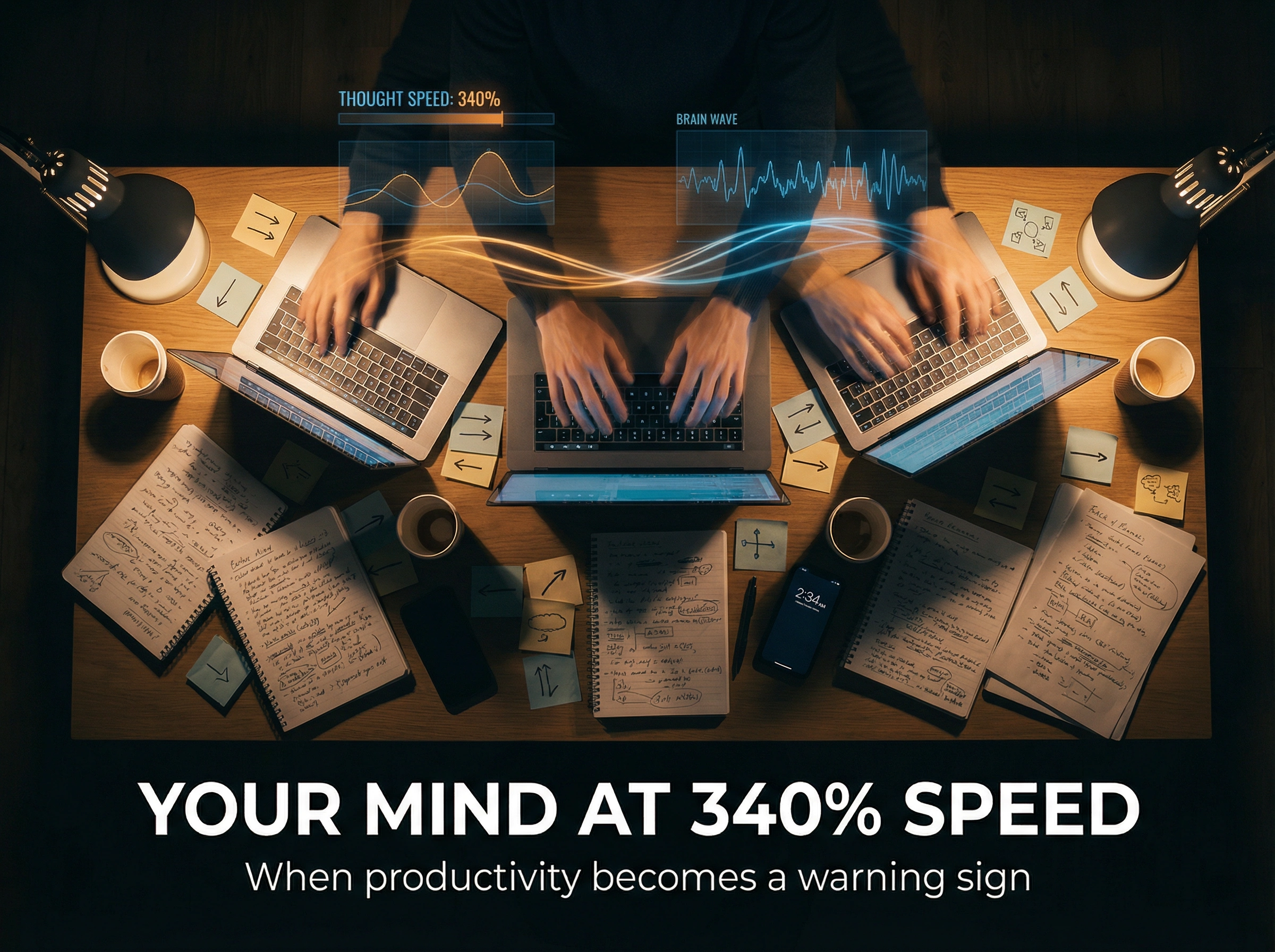
One of the earliest and most telling signs is a significant reduction in sleep without the expected fatigue. You might find yourself wide awake at 2 a.m., not because you’re anxious or restless, but because your mind feels electric with energy and ideas. Unlike typical insomnia, you don’t feel exhausted the next day—in fact, you might feel more energized than ever.
Racing Thoughts and Rapid Speech
Your thoughts might start moving faster than usual, jumping from one idea to another in quick succession. Conversations become harder to follow because you’re already three topics ahead. Others might notice you’re talking faster, interrupting more, or struggling to stay on one subject. What feels like mental clarity to you might appear scattered to those around you.
Unusual Confidence and Grandiosity
Early mania often brings an inflated sense of confidence or capability. You might suddenly feel certain you can take on massive projects, start a new business overnight, or solve problems that have stumped you for years. While confidence is generally positive, manic confidence often lacks the realistic assessment of limitations, time, or resources.
Increased Goal-Directed Activity
You might find yourself taking on multiple projects simultaneously, signing up for new commitments, or diving into activities with intense focus. This isn’t the productive energy of a good day—it’s a driven, almost compulsive need to do that can lead to overcommitment and eventual burnout.
Impulsive Decisions
Early mania can loosen your usual decision-making filters. You might make spontaneous purchases you can’t afford, book last-minute trips, make sudden career changes, or engage in risky behaviors that feel exciting in the moment but carry significant consequences.
Heightened Irritability
Not all early mania feels euphoric. Some people experience increased irritability, impatience, or frustration—especially when others don’t match their energy level or when obstacles appear in their path. You might snap at loved ones over minor issues or feel unusually agitated by everyday inconveniences.

Why Early Recognition Matters
Catching mania in its early stages offers a critical window of opportunity. When you recognize these patterns early, you can:
- Reach out for professional support before symptoms intensify
- Implement stabilizing strategies like maintaining sleep schedules and reducing stimulation
- Prevent potential consequences of impulsive decisions made during full mania
- Protect your relationships by communicating what’s happening before conflicts escalate
- Work with your treatment team to adjust medications or interventions proactively
The difference between early intervention and waiting until mania peaks can mean the difference between a minor adjustment and a major disruption to your life.
What Should You Do If You Notice These Signs?
If you’re recognizing several of these early warning signals in yourself, the most important step is to reach out for professional evaluation. Many people hesitate because they feel good or don’t want to “overreact,” but early assessment is always the right choice.
Track Your Patterns
Start keeping a simple mood journal noting your sleep hours, energy levels, and any unusual thoughts or behaviors. This information is invaluable for clinicians trying to understand your patterns.
Reach Out to Your Support System
Let trusted friends or family members know what you’re experiencing. Sometimes those closest to us notice changes before we do, and their observations can provide helpful perspective.

Contact a Mental Health Professional
Whether you’re already in treatment or seeking help for the first time, connecting with a psychiatrist who understands mood disorders is essential. At Focused Connections Psychiatry, we specialize in recognizing these nuanced patterns and creating personalized care plans that support long-term stability.
Prioritize Sleep and Routine
Even before your appointment, focus on maintaining consistent sleep schedules and daily routines. These foundational habits can help prevent escalation.
You Deserve Clarity and Support
Recognizing early mania signals isn’t about labeling yourself or living in fear of your own mind—it’s about understanding your patterns so you can maintain the stability that allows you to thrive. Your experiences deserve professional attention, compassionate care, and a treatment approach designed specifically for you.
If you’re noticing mood shifts, energy changes, or patterns that concern you, you’re not alone in this. Reaching out for evaluation is a sign of strength and self-awareness, not weakness.
At Focused Connections Psychiatry, we’re here to help you understand what’s happening and guide you toward lasting clarity and balance—because Focused Connections Psychiatry you deserve care that truly understands you. Contact us at (562) 312-1777 today or click here to schedule your free symptom assessment.