How to Know When You Need Professional Help
You’ve been feeling off lately. Maybe you’re sleeping poorly, struggling to focus, or feeling more anxious than usual. A friend suggests meditation. Your mom recommends vitamins. Instagram tells you to try journaling, cold showers, and a morning routine.
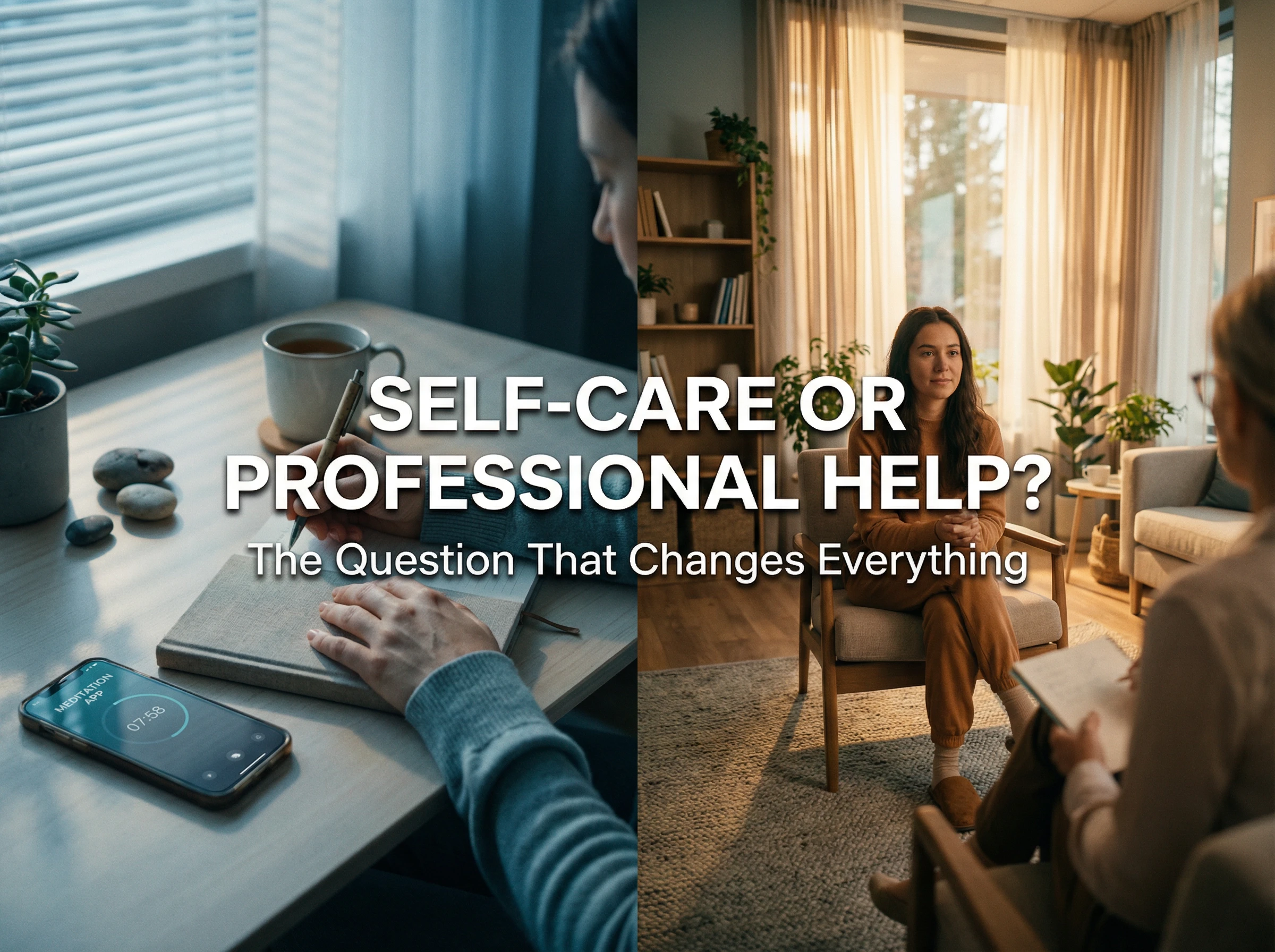
And you wonder: Can I fix this myself, or do I actually need to see a psychiatrist?
It’s one of the most common questions people wrestle with when their mental health feels shaky. The line between “I need better habits” and “I need professional help” can feel blurry, especially in a culture that celebrates self-optimization and DIY wellness.
But here’s the truth: knowing the difference could be the most important decision you make for your mental health.
When Self-Care Actually Works
Let’s be clear—self-care isn’t just bubble baths and face masks. Real self-care includes the foundational practices that support mental wellness: consistent sleep, regular movement, nutritious food, meaningful connections, and stress management techniques like mindfulness or journaling.
These practices can be genuinely powerful. If you’re dealing with everyday stress, minor mood dips, or the occasional anxious week, improving your self-care routine might be exactly what you need. Maybe you’ve been burning the candle at both ends, skipping meals, or isolating yourself.
In these cases, intentional lifestyle changes can create noticeable improvements within a few weeks.
Self-care works best when:
- Your symptoms are mild and recent
- You can still function in daily life (work, relationships, responsibilities)
- You have a clear trigger (a stressful project, a breakup, a life transition)
- You see improvement when you implement healthy changes
When Self-Care Isn’t Enough
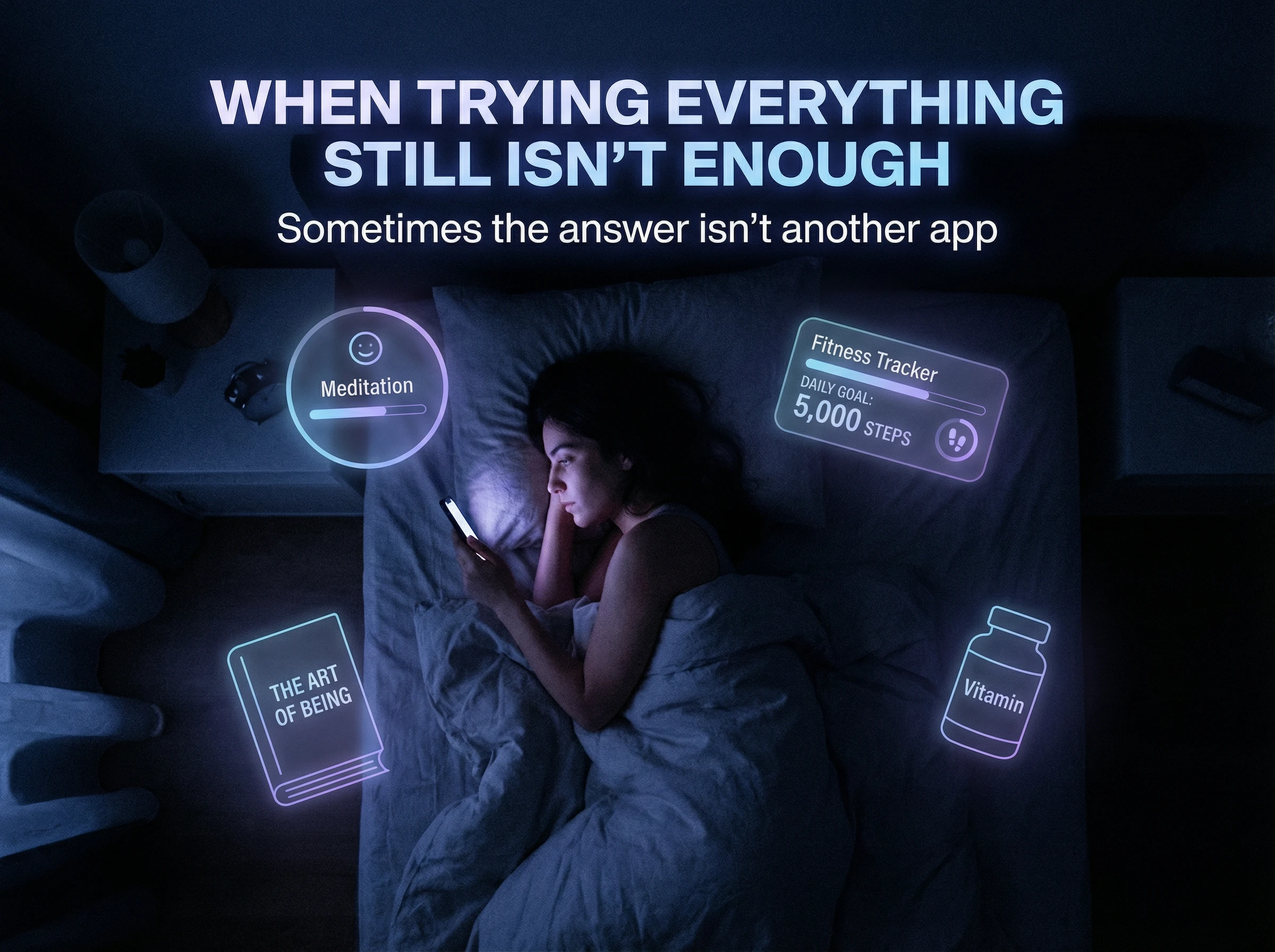
But what happens when you’ve tried everything and nothing sticks? When you’re meditating, exercising, eating well, and still feel like you’re drowning?
This is where many people get stuck—blaming themselves for not trying hard enough, when the reality is that some mental health conditions require more than lifestyle adjustments.
Here are the signs that it’s time to consider professional help:
Your symptoms persist despite your best efforts. You’ve been doing all the “right things” for months, but the anxiety, depression, or mood swings haven’t improved. This isn’t a personal failure—it’s a signal that something deeper may be at play.
Your daily functioning is impaired. When mental health symptoms interfere with your ability to live your life, that’s a clear indicator that professional support is needed.
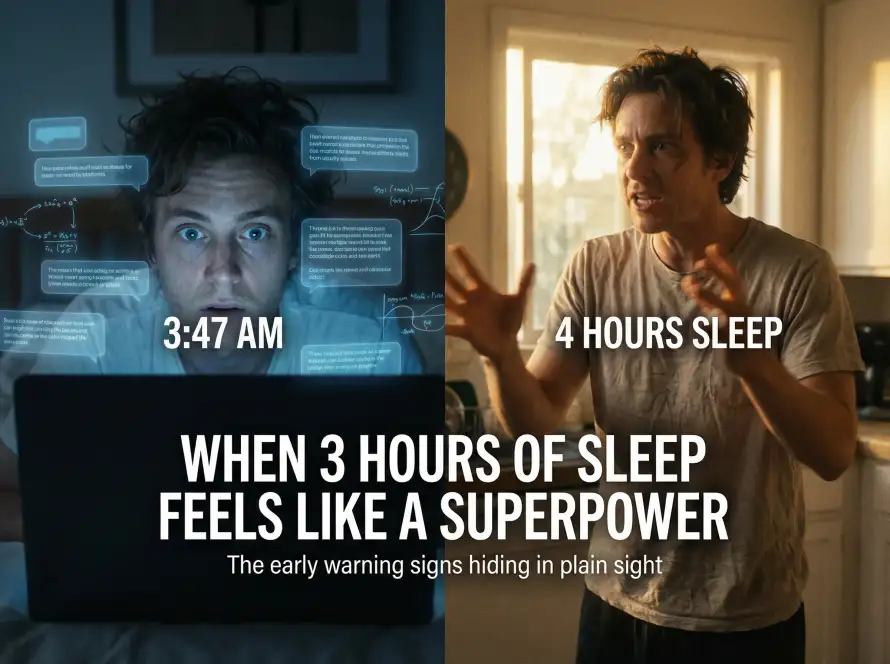
You’re experiencing intense or frightening symptoms. Panic attacks, intrusive thoughts, extreme mood swings, periods of unusually high energy followed by crashes, or thoughts of self-harm are all serious symptoms that warrant immediate professional evaluation.
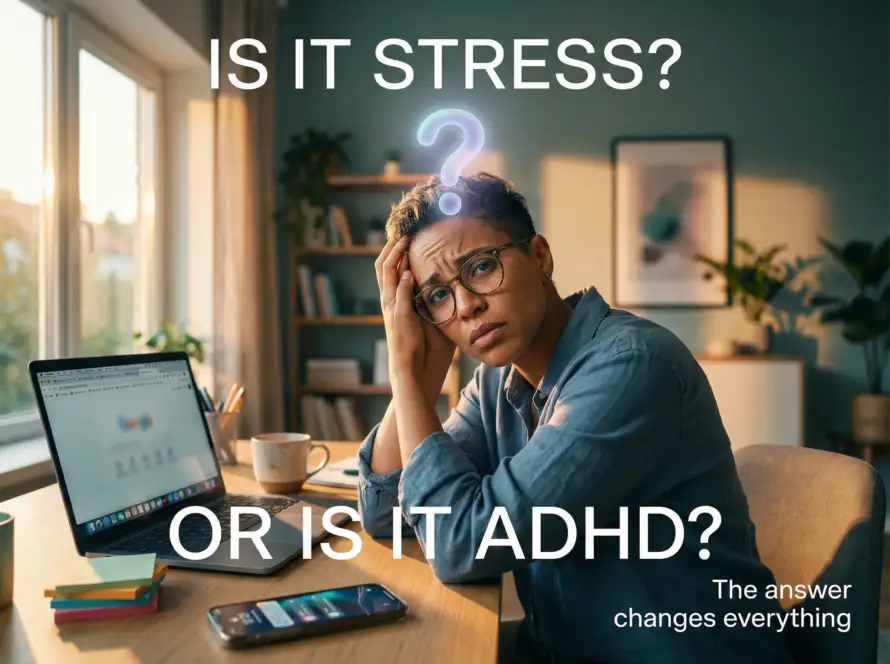
You have a family history of mental health conditions. Conditions like bipolar disorder, major depression, and ADHD often run in families. If you’re noticing patterns similar to what a parent or sibling experienced, a psychiatric evaluation can provide crucial clarity.
You’re self-medicating. If you find yourself relying on alcohol, substances, or other behaviors to manage your emotions or get through the day, this is a red flag that professional intervention could help you find healthier coping strategies.
What a Psychiatrist Actually Does
Many people hesitate to see a psychiatrist because they’re not sure what to expect—or they worry it means they’re “broken” or “weak.” Neither is true.
A psychiatrist is a medical doctor who specializes in mental health. They’re trained to distinguish between symptoms that stem from lifestyle factors, medical conditions, or true psychiatric disorders. At Focused Connections Psychiatry, we take time to understand your complete picture: your symptoms, your history, your daily life, and your goals.
We offer comprehensive psychiatric evaluations that go beyond surface-level assessments. For conditions like ADHD, we use objective tools like T.O.V.A. testing to provide accurate diagnoses. We also offer GeneSight genetic testing to help identify which medications might work best for your unique biology—taking the guesswork out of treatment.
The goal isn’t to replace self-care—it’s to give you the right foundation so your self-care efforts can actually work. Think of it this way: if you had diabetes, you wouldn’t skip insulin and just try eating better. Mental health conditions often require the same medical approach, combined with lifestyle support.

The Best Path Forward
Here’s the empowering truth: you don’t have to choose between self-care and professional help. The most effective approach combines both.
A psychiatrist can help identify what’s really going on, provide evidence-based treatment, and work with you to create a comprehensive plan that includes medication management (if needed), therapy referrals, and lifestyle strategies tailored to your specific situation.
You deserve care that truly understands you—care that doesn’t make you feel judged for needing help, and doesn’t minimize what you’re experiencing. If you’ve been wondering whether your struggles warrant professional attention, that question itself is often the answer.
At Focused Connections Psychiatry, we’re here to provide the clarity you need and the care you deserve. Because sometimes, the most powerful form of self-care is knowing when to ask for help.
Ready to take the next step? Contact us at (562) 312-1777 today or click here to schedule your free symptom assessment. Your journey toward lasting clarity and emotional balance starts here.