How Small Shifts Have Big Impact
When you’re struggling with anxiety, depression, or ADHD, the idea of “lifestyle changes” can feel overwhelming—or even dismissive. You might think, “If one more person tells me to just exercise and drink water, I’m going to scream.”
We get it. At Focused Connections Psychiatry, we know that lifestyle changes aren’t a replacement for professional treatment. But here’s what we’ve seen time and again: when combined with proper psychiatric care, small, sustainable lifestyle adjustments can dramatically amplify your progress and help you feel more like yourself again.
Think of it this way: medication and therapy are the foundation of your mental health treatment, but lifestyle changes are the scaffolding that supports and strengthens that foundation. Let’s explore how everyday choices can become powerful tools in your healing journey.
The Sleep-Mental Health Connection You Can’t Ignore
If there’s one lifestyle factor that affects mental health more than any other, it’s sleep. Poor sleep doesn’t just make you tired—it directly impacts your brain’s ability to regulate emotions, process stress, and maintain focus.
For people with anxiety, sleep deprivation can intensify worry cycles. For those with depression, it can deepen feelings of hopelessness. And for individuals with ADHD, lack of sleep makes concentration and impulse control even more challenging.
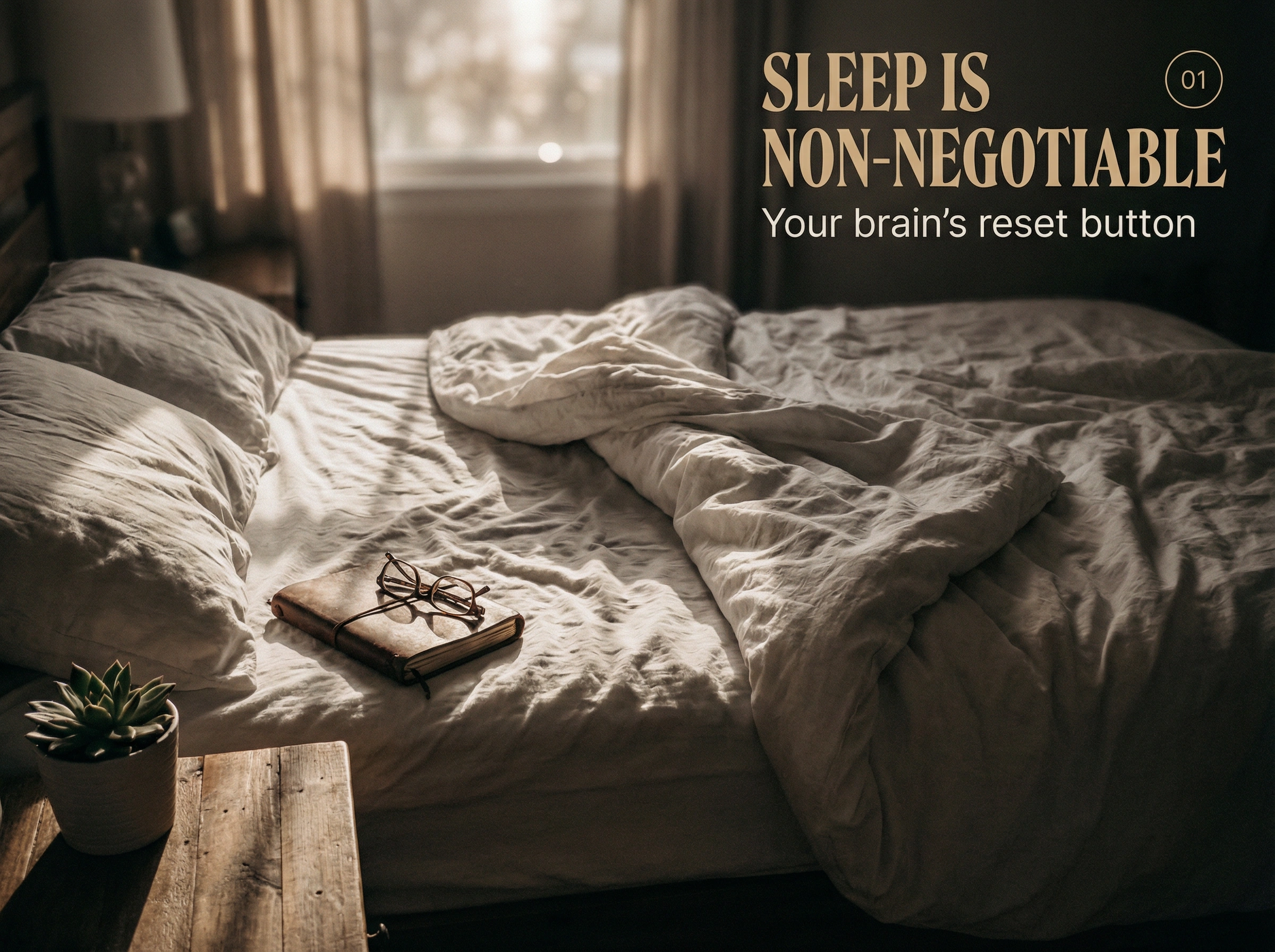
The good news? Improving sleep hygiene often leads to noticeable improvements in mental health symptoms. Start with consistency: try to go to bed and wake up at the same time every day, even on weekends.
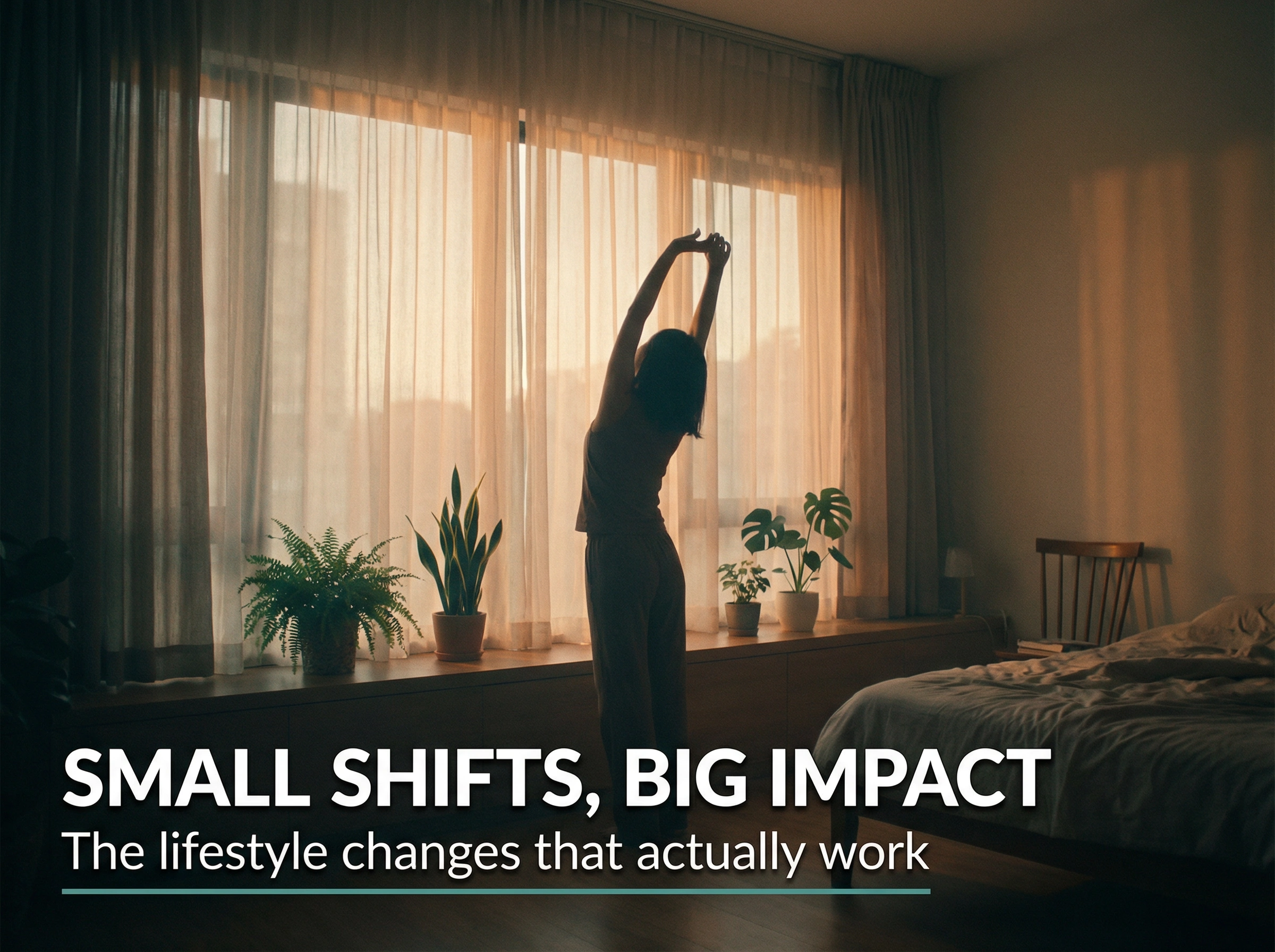
Create a calming bedtime routine—dim the lights, put away screens an hour before bed, and consider reading or gentle stretching. Keep your bedroom cool, dark, and quiet. These aren’t magic fixes, but they create conditions that allow your brain to rest and reset.
If you’re struggling with persistent insomnia or sleep disturbances despite these changes, talk to your psychiatrist. Sometimes medication adjustments or additional support is needed, and that’s completely okay.
Movement as Medicine (No Gym Membership Required)
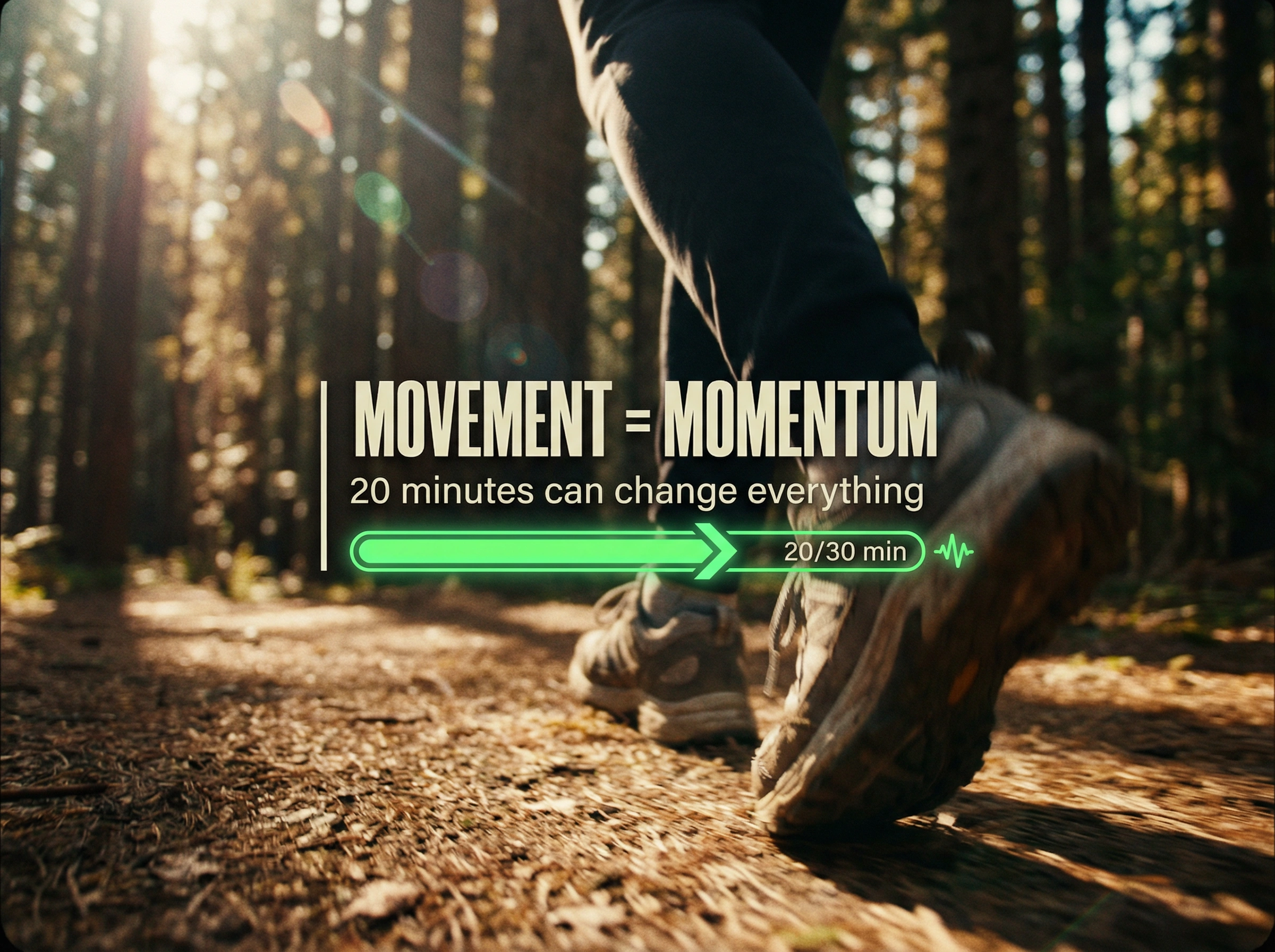
You’ve probably heard that exercise helps mental health, but you might picture grueling gym sessions or marathon training. Here’s the truth: even gentle, regular movement can reduce anxiety, lift mood, and improve focus. You don’t need to become an athlete—you just need to move your body in ways that feel good to you.
Research shows that just 20-30 minutes of moderate activity most days can significantly reduce symptoms of depression and anxiety. This could be a walk around your neighborhood, dancing in your living room, gardening, or playing with your kids or pets. The key is consistency, not intensity.
Movement works because it releases endorphins (your brain’s natural mood boosters), reduces stress hormones like cortisol, and gives your mind a break from rumination. For people with ADHD, physical activity can also help improve focus and reduce restlessness.
Start small. If you’re currently sedentary, commit to a 10-minute walk three times a week. Build from there. The goal isn’t perfection—it’s progress.
Nutrition: Fueling Your Brain, Not Just Your Body
What you eat directly affects how you feel. Your brain needs proper fuel to produce neurotransmitters like serotonin and dopamine, which regulate mood, motivation, and emotional balance. When you’re running on caffeine, sugar, and processed foods, your mental health often suffers.
This doesn’t mean you need a perfect diet. It means being mindful of patterns. Are you skipping meals when you’re anxious or depressed? Are you relying on sugar and caffeine to get through the day? These habits can create blood sugar crashes that worsen mood swings and anxiety.
Focus on adding rather than restricting: more whole foods, lean proteins, healthy fats, and plenty of water. Omega-3 fatty acids (found in fish, walnuts, and flaxseed) have been shown to support brain health. B vitamins, magnesium, and vitamin D also play important roles in mental wellness.
If you’re on psychiatric medication, maintaining stable blood sugar and staying hydrated can help minimize side effects and improve how you feel overall.
Connection and Community: You’re Not Meant to Do This Alone
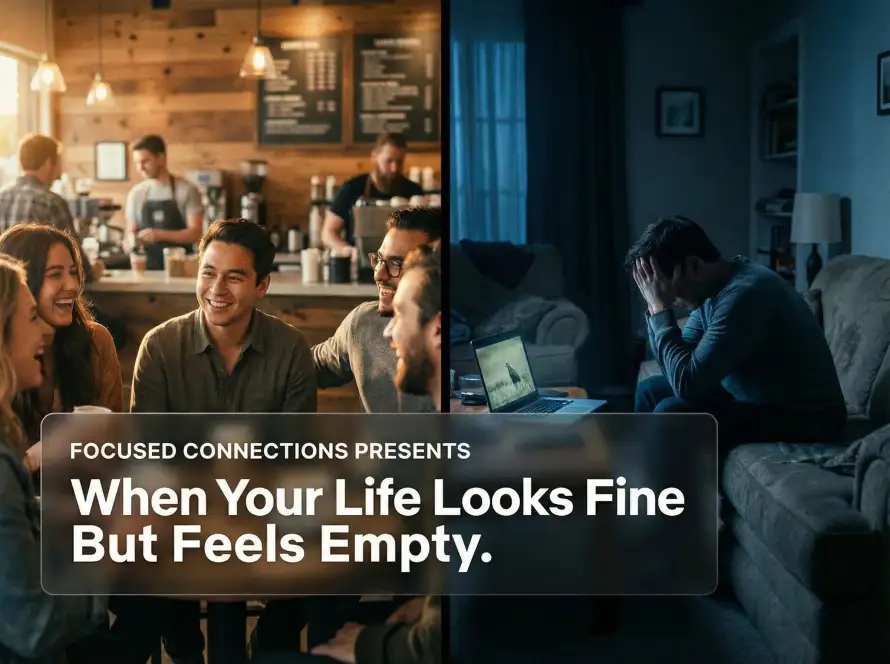
Isolation feeds anxiety and depression. Even when socializing feels hard, maintaining connections—however small—matters deeply.
This doesn’t mean forcing yourself to attend big social events. It means finding low-pressure ways to stay connected: a text exchange with a friend, a phone call with family, joining an online community, or even just saying hello to a neighbor.
Human connection reminds us we’re not alone in our struggles. It provides perspective, support, and sometimes just a moment of lightness in a heavy day.
Stress Management: Building Your Toolkit
Chronic stress is like gasoline on the fire of mental health symptoms. Learning to manage stress doesn’t eliminate life’s challenges, but it changes how your nervous system responds to them.
Consider exploring: deep breathing exercises, progressive muscle relaxation, mindfulness or meditation apps, journaling, creative hobbies, or time in nature. These aren’t distractions—they’re tools that help regulate your nervous system and create moments of calm in your day.
The Bottom Line: Progress, Not Perfection
At Focused Connections Psychiatry, we emphasize that lifestyle changes work best when they’re realistic and personalized.
You don’t need to overhaul your entire life overnight. Small, consistent changes—better sleep, gentle movement, nourishing food, meaningful connection—can create a ripple effect that supports your treatment and helps you feel more grounded, capable, and hopeful.
If you’re struggling and unsure where to start, we’re here to help. Our team can work with you to create a comprehensive treatment plan that includes both evidence-based psychiatric care and practical lifestyle strategies tailored to your unique needs.
Ready to take the next step? Contact us at (562) 312-1777 today or click here to schedule your symptom assessment. You deserve care that truly understands you.