
Opening Up About Mental Health
The hardest conversations often begin with the simplest words: “I need to tell you something.”
When you’re struggling with anxiety, depression, or any mental health challenge, the weight of keeping it to yourself can feel unbearable.
Yet the thought of actually saying the words out loud—especially to the people you love most—can feel equally terrifying. What if they don’t understand? What if they think you’re overreacting? What if it changes how they see you?
These fears are real, and they’re common. But here’s what’s also true: sharing your struggle with trusted loved ones can be one of the most healing steps you take. It opens the door to support, understanding, and connection during a time when isolation often makes everything worse.
At Focused Connections Psychiatry, we’ve walked alongside countless patients as they’ve navigated these difficult conversations. And while there’s no perfect script, there are ways to make the process feel less overwhelming—for both you and the people you’re opening up to.
Why Talking About It Matters
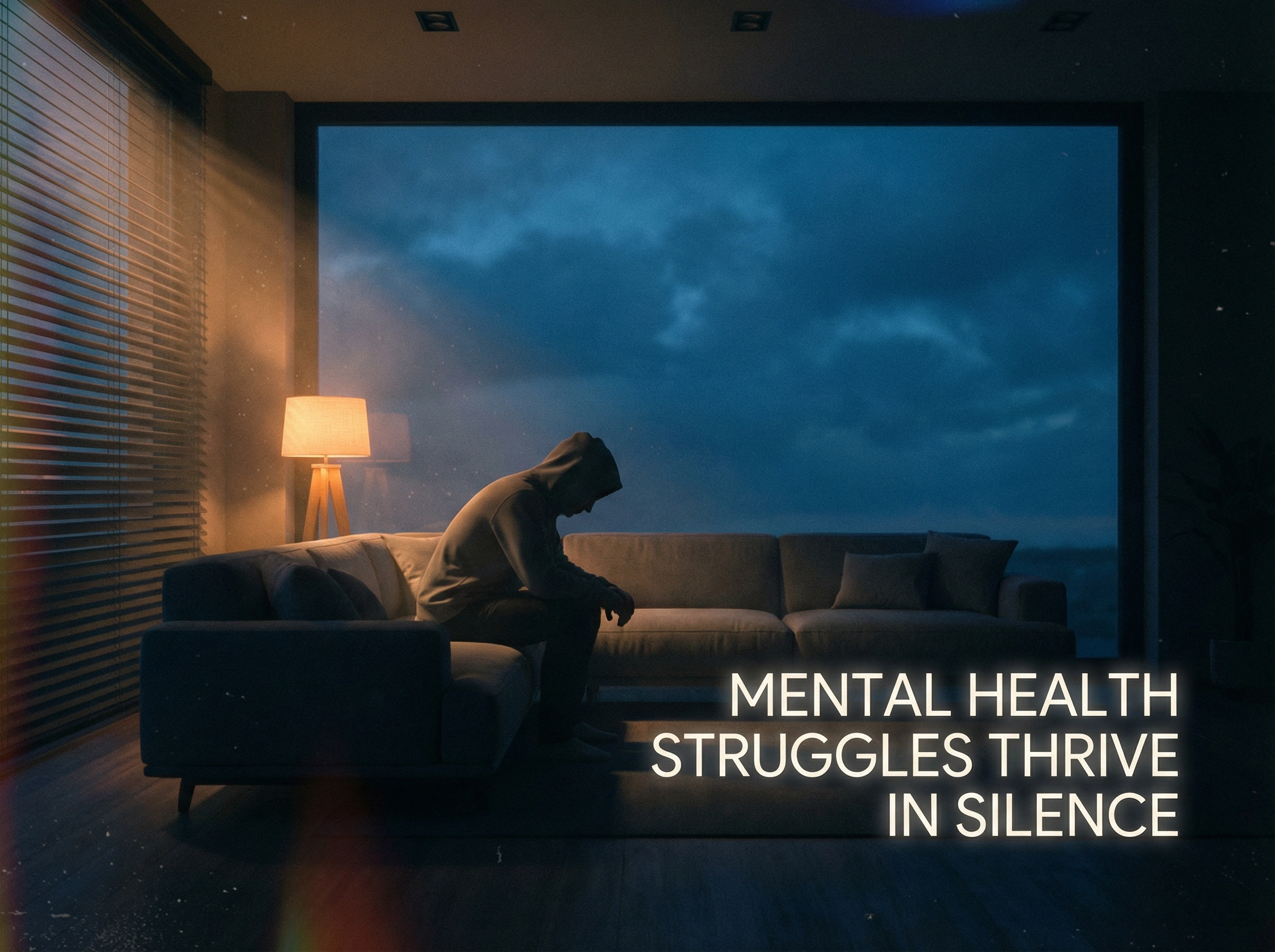
Mental health struggles thrive in silence. When you keep your anxiety, depression, or emotional pain hidden, it can intensify feelings of shame, loneliness, and hopelessness. You might start believing that you’re the only one who feels this way, or that your struggle somehow makes you a burden.
But when you share what you’re going through with someone who cares about you, something shifts. You’re no longer carrying it alone. You give the people in your life a chance to show up for you—and often, they want to. They just don’t know how until you let them in.
Talking about your mental health also helps reduce stigma. Every honest conversation normalizes the reality that mental health challenges are common, treatable, and nothing to be ashamed of.
Choosing the Right Person
Not everyone in your life needs to know everything you’re going through—and that’s okay. Start by identifying one or two people you trust deeply. These might be:
- A close family member who’s shown empathy in the past
- A partner or spouse who’s been supportive through other challenges
- A longtime friend who knows you well and has earned your trust
Look for people who listen without judgment, who’ve demonstrated emotional maturity, and who respect your privacy. Avoid starting with someone who tends to minimize problems, offer unsolicited advice, or make conversations about themselves.
Preparing for the Conversation
It’s completely normal to feel anxious before opening up. Here are some ways to prepare:
Choose the right time and place. Pick a quiet, private setting where you won’t be interrupted. Avoid bringing it up during stressful moments, family gatherings, or when either of you is rushed.
Decide what you want to share. You don’t have to explain everything at once. Think about what feels most important to communicate right now. It might be as simple as: “I’ve been struggling with anxiety lately, and I wanted you to know.”
Consider writing it down first. If speaking feels too overwhelming, try writing a letter or text message. Some people find it easier to organize their thoughts on paper, and it gives your loved one time to process before responding.
Be clear about what you need. Do you want advice, or do you just need someone to listen? Are you looking for help finding a therapist, or do you simply want them to understand why you’ve seemed distant? Letting them know helps prevent misunderstandings.

What to Say (and What You Don’t Have to Say)
You might start with something like:
- “I’ve been dealing with some mental health stuff lately, and I wanted to talk to you about it.”
- “I haven’t been feeling like myself, and I think I need some support.”
- “I’ve been really anxious/depressed, and it’s been hard to manage on my own.”
You don’t owe anyone a detailed explanation of your symptoms, your diagnosis, or your treatment plan unless you want to share that. You also don’t need to justify why you’re struggling or prove that it’s “bad enough” to talk about.
Handling Their Reaction
Most people want to help, but they might not know how. They might say things that feel dismissive, like “Just think positive!” or “Everyone gets stressed sometimes.” Try to remember that these responses usually come from discomfort, not cruelty.
If someone reacts poorly, it’s okay to say: “I know this might be hard to understand, but I really need your support right now, not solutions.” Or: “I’m working with a professional on this. I just wanted you to know what I’m going through.“
And if someone truly can’t offer the support you need? That’s painful, but it doesn’t mean you were wrong to try. It means you might need to lean on others who can show up better.
You Don’t Have to Do This Alone
Talking to loved ones is important, but it’s not a substitute for professional care. If you’re struggling with persistent anxiety, depression, or overwhelming emotions, reaching out to a mental health provider is one of the most compassionate things you can do for yourself.
At Focused Connections Psychiatry, we create a safe, judgment-free space where you can explore what you’re experiencing, get an accurate diagnosis, and build a treatment plan that actually works for your life. You deserve care that understands you—and support that helps you move forward.
Opening up is brave. And you don’t have to figure it out alone.
If you’re ready to talk to someone who understands, contact us at (562) 312-1777 today or click here to schedule your free symptom assessment.