Why Your Mental Health Journey Needs Both
You’ve been in treatment for a few weeks now. The fog is lifting. You’re sleeping through the night. That constant weight on your chest has eased. You feel… better.
So naturally, you’re thinking: “Maybe I don’t need to keep going to appointments. Maybe I can stop taking my medication. I’m good now, right?”
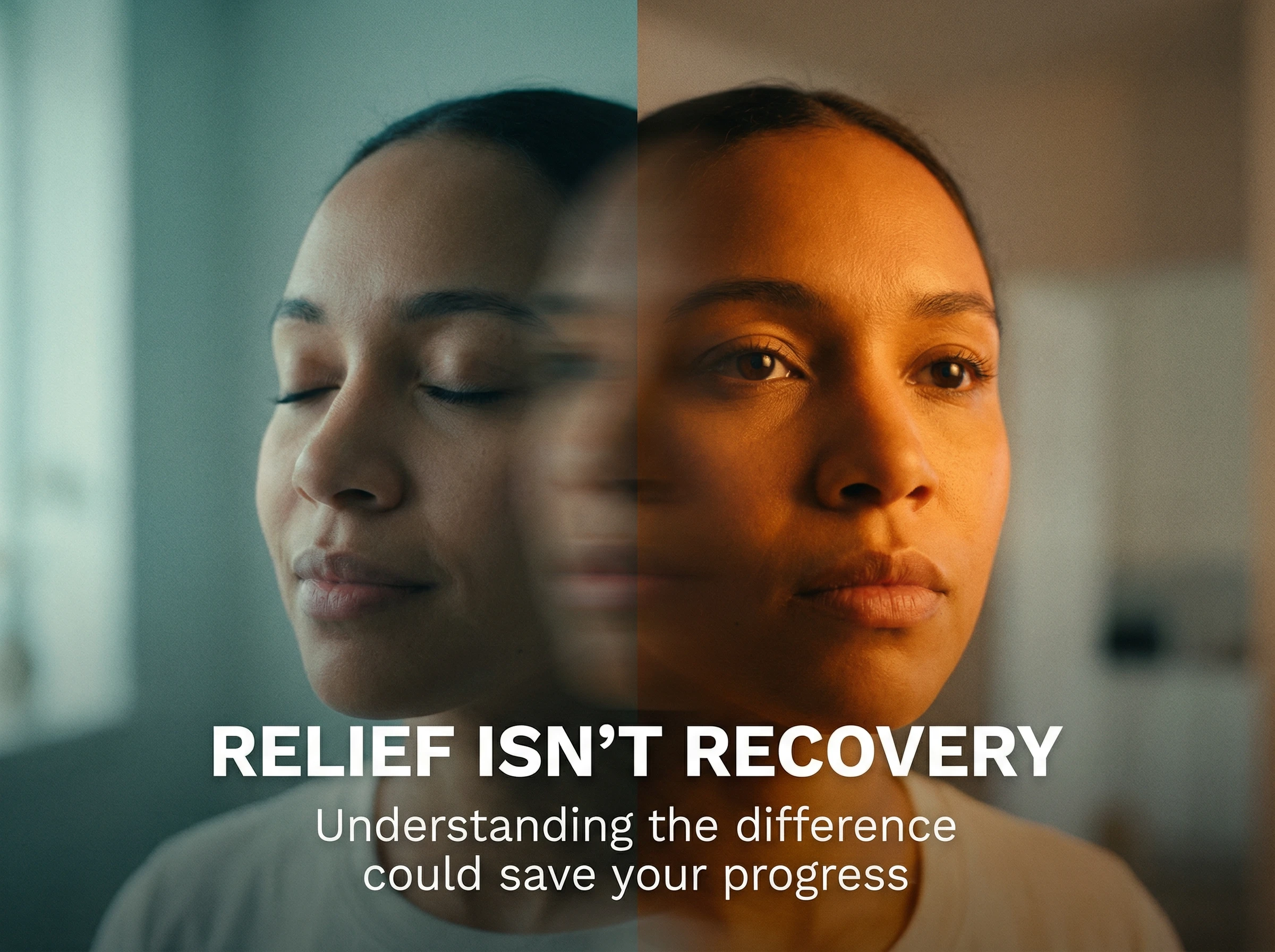
If you’ve had this thought, you’re not alone. And you’re not wrong to feel encouraged by your progress. But here’s the truth that many people discover the hard way: feeling better and getting better aren’t the same thing—and confusing the two can derail your entire recovery.
The Feeling Better Trap
Feeling better is immediate and tangible. It’s waking up without dread. It’s laughing at a joke. It’s having the energy to shower and make breakfast. These moments are real, valid, and worth celebrating. They’re signs that treatment is working.
But feeling better is often just the first layer of healing.
Think of it like this: if you broke your leg, you’d feel significantly better once the pain medication kicked in and the cast was on. You might even feel good enough to want to walk around. But your leg isn’t actually healed yet.
The bone is still knitting itself back together beneath the surface. If you removed the cast too early or started running before the bone fully mended, you’d risk re-injury—possibly worse than the original break.
Mental health works the same way. When you start feeling better, it means the treatment is addressing your symptoms. Your brain chemistry is stabilizing. Your coping skills are taking root. But the deeper work—the neurological changes, the habit formation, the lasting resilience—that takes time.
What Getting Better Actually Looks Like
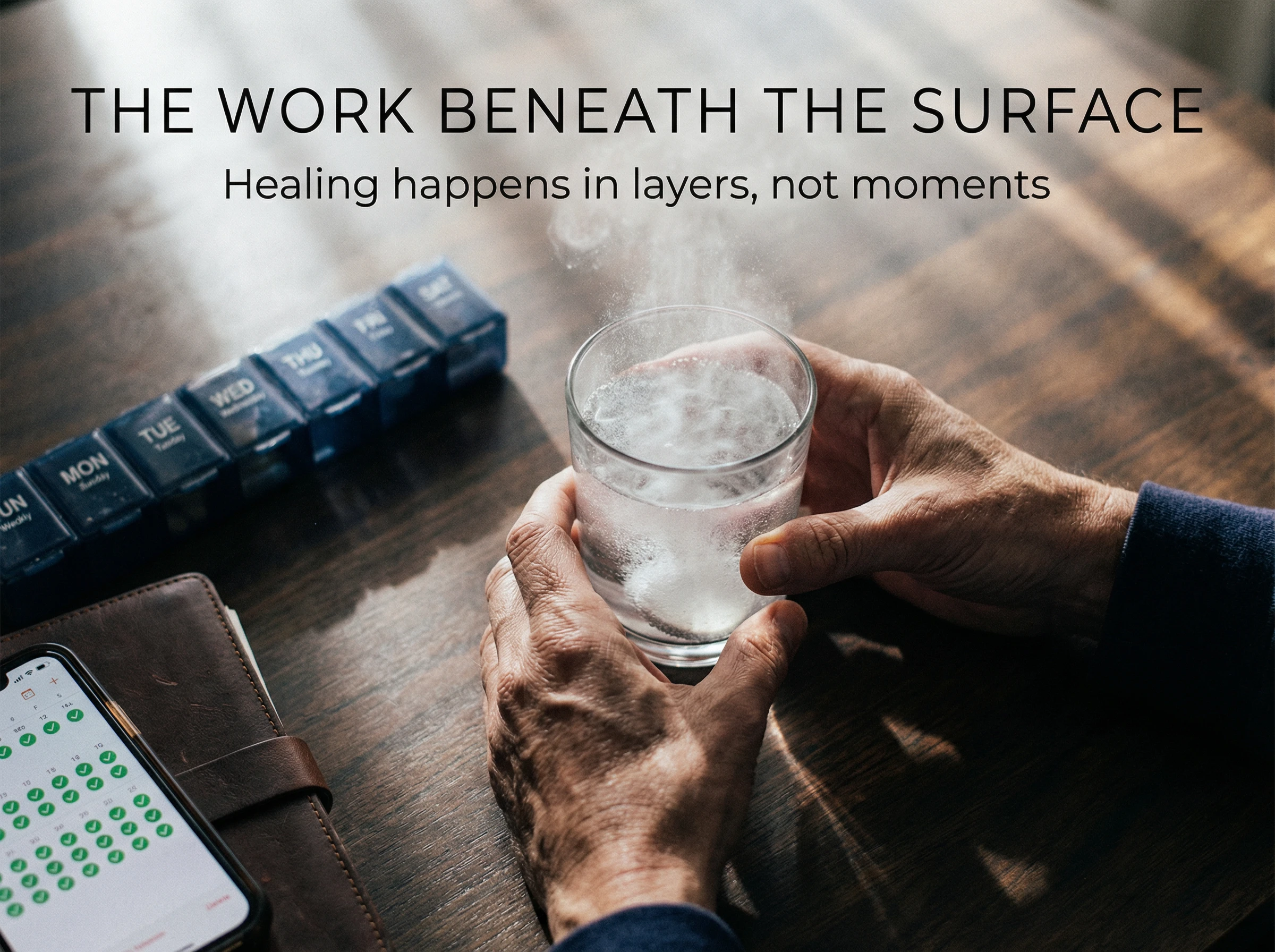
Getting better is a process, not a moment. It’s the difference between temporary relief and sustainable wellness.
When you’re truly getting better, you’re not just experiencing fewer symptoms—you’re building a foundation that can weather future storms.
You’re learning to recognize your early warning signs. You’re developing tools to manage stress before it becomes overwhelming. You’re understanding your triggers and creating strategies to navigate them.
Getting better means:
- Consistency over time: Not just one good week, but a pattern of stability that holds even when life gets challenging
- Skill development: Learning and practicing coping mechanisms until they become second nature
- Insight and awareness: Understanding why you struggled and what keeps you well
- Sustainable habits: Building routines around sleep, medication, therapy, and self-care that support long-term health
- Resilience: Bouncing back from setbacks more quickly and with less disruption
At Focused Connections Psychiatry, we see this distinction play out constantly. Patients come in feeling hopeless and overwhelmed. Within weeks of starting treatment, many experience significant relief. That’s wonderful—and it’s also when the real work begins.
Why People Stop Too Soon
The irony of mental health treatment is that it often works so well that people convince themselves they don’t need it anymore. You feel better, so you assume you’re cured. The medication did its job, so why keep taking it? Therapy helped you through the crisis, so why continue?
This is like saying, “My blood pressure medication worked so well that my blood pressure is normal now, so I’ll stop taking it.” The medication is why your blood pressure is normal. The treatment is why you’re feeling better.
Stopping prematurely is one of the most common reasons people relapse. Studies show that individuals who discontinue psychiatric medication or therapy too early are significantly more likely to experience a return of symptoms—often more severe than before.
The Partnership Approach
This is why ongoing collaboration with your psychiatric provider is so crucial. Your psychiatrist or psychiatric nurse practitioner isn’t just there to prescribe medication or offer a listening ear during crisis. They’re your partner in the long game of getting better.
They help you:
- Distinguish between feeling better and being stable
- Recognize when you’re ready to make changes to your treatment
- Taper medications safely if and when the time is right
- Identify early warning signs of relapse
- Adjust your treatment plan as your needs evolve
Getting better isn’t about staying in treatment forever—it’s about staying in treatment long enough. That timeline looks different for everyone, and it should be determined collaboratively, based on your unique situation, history, and goals.
Celebrating Both Milestones
Here’s what we want you to know: feeling better is a victory. It’s proof that you made the brave choice to seek help, and that help is working. Celebrate those moments. They matter.
But don’t stop there. Give yourself the gift of getting better—truly, deeply, sustainably better. Stay the course. Trust the process. Work with your provider to build not just relief, but resilience.
Because you deserve more than just feeling better for a moment. You deserve to get better for a lifetime.
At Focused Connections Psychiatry, we’re committed to walking alongside you through every stage of your mental health journey—from that first appointment to lasting wellness.
If you’re ready to start feeling better and getting better, contact us at (562) 312-1777 today or click here to schedule your free symptom assessment.