Understanding When Your Low Moods Tell a Bigger Story
You’ve been feeling down for weeks—maybe months. The heaviness in your chest, the exhaustion that no amount of sleep seems to fix, the loss of interest in things that once brought you joy. Your doctor says it’s depression, you start treatment, but something still feels… off.
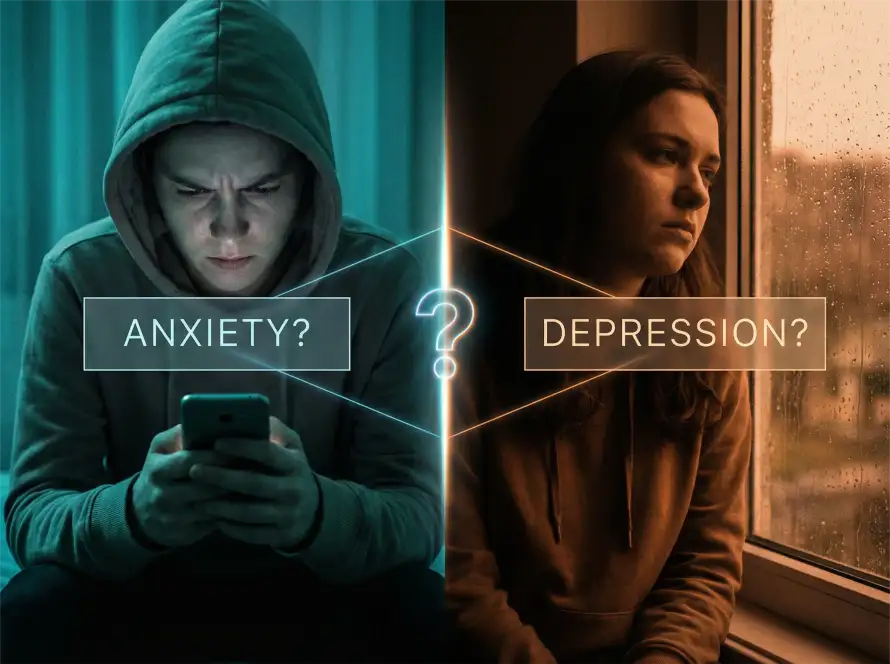
What if the low moods you’re experiencing are only part of the picture?
For many people struggling with persistent sadness and fatigue, depression is the first—and sometimes only—diagnosis considered. But when you look closer at the patterns of your mood over time, a more complex story might emerge.
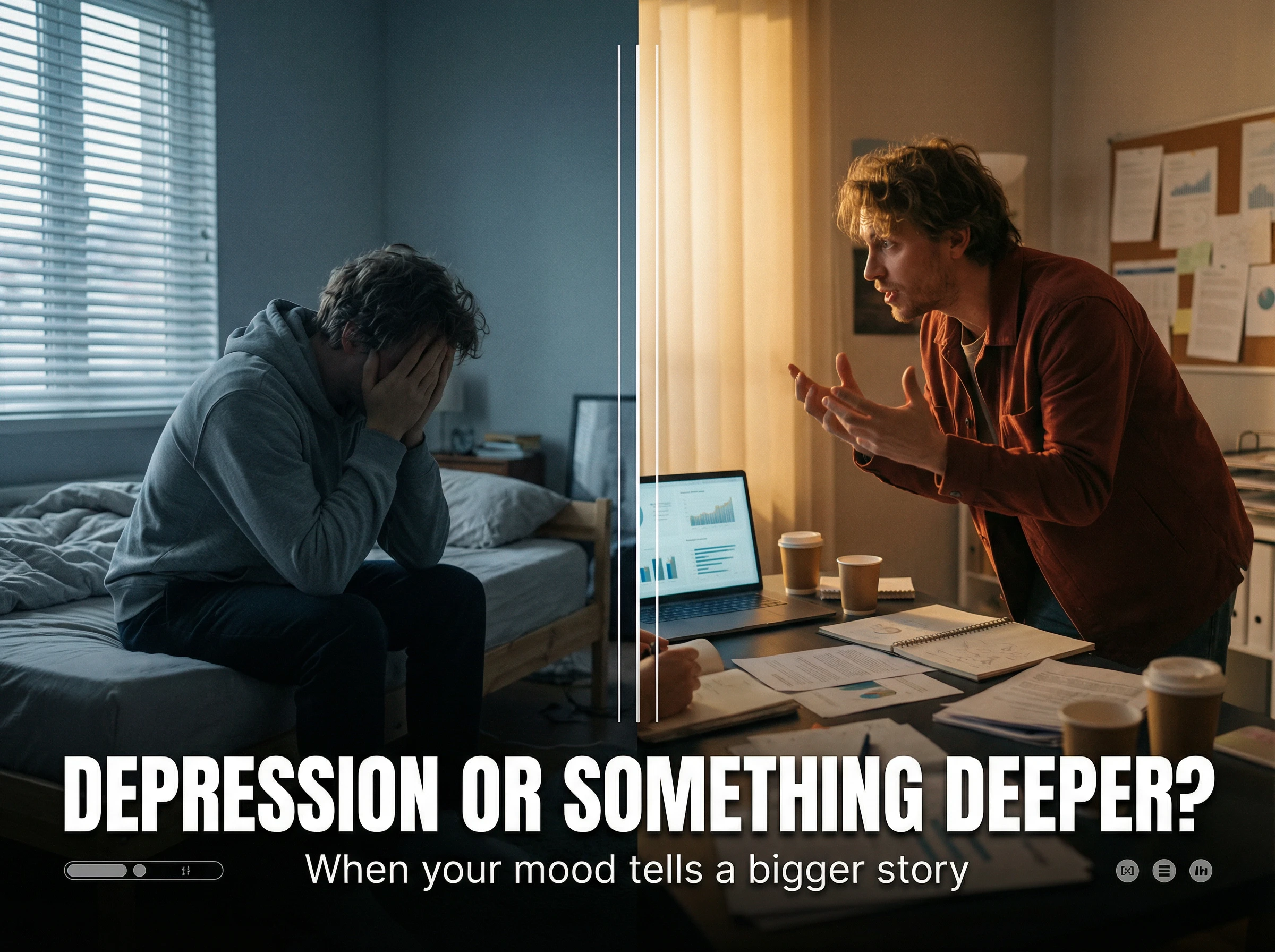
Understanding whether you’re experiencing depression alone or something deeper, like bipolar disorder, can be the difference between treatment that helps and treatment that falls short.
The Depression Diagnosis: A Common Starting Point
Depression is incredibly common, affecting millions of Americans each year. Major depressive disorder brings symptoms most of us recognize: persistent sadness, low energy, difficulty concentrating, changes in sleep and appetite, and feelings of hopelessness.
These symptoms are real, painful, and deserve compassionate care.
Many people receive a depression diagnosis and find relief through therapy, medication, or a combination of both. But for others, the treatment doesn’t quite work as expected.
Antidepressants might provide some relief, but the results feel incomplete. Or worse, they might trigger unexpected reactions—feeling unusually wired, agitated, or experiencing racing thoughts.
These unexpected responses can be your mind’s way of revealing a deeper pattern.
When Depression Cycles: The Hidden Clue
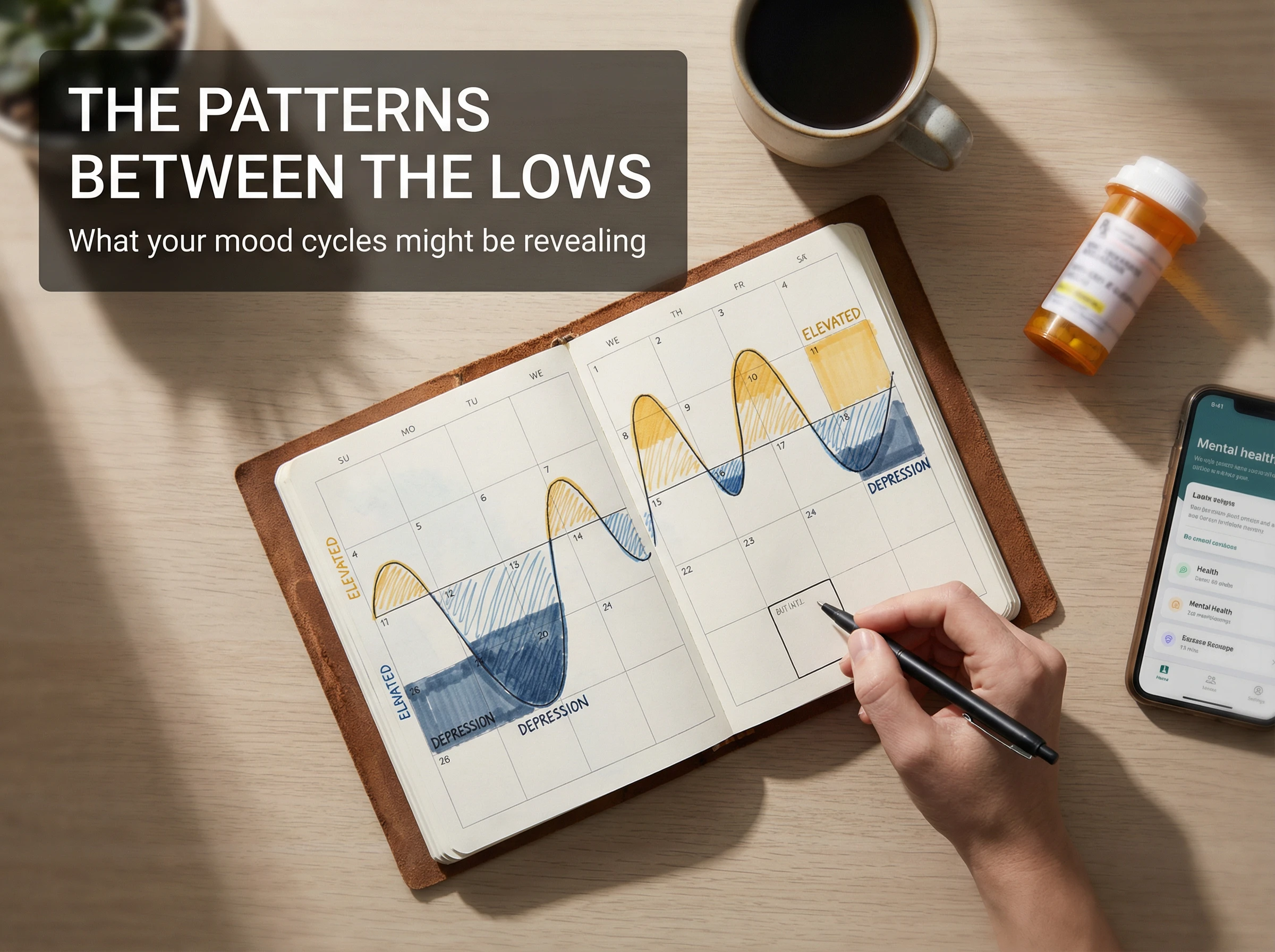
Here’s what many people don’t realize: depression can be a feature of several different mood conditions. The key difference often lies not in the depression itself, but in what happens between the depressive episodes.
Think back over the past few years. Have you noticed periods where your mood and energy shifted dramatically in the other direction? Maybe you’ve experienced times when you:
- Felt unusually energetic or “wired” for days at a time
- Needed far less sleep than usual but didn’t feel tired
- Talked faster than normal or felt like your thoughts were racing
- Took on multiple projects with intense enthusiasm
- Made impulsive decisions about spending, relationships, or major life changes
- Felt unusually confident or like you could accomplish anything
If you’ve experienced these elevated periods—even brief ones—followed by crashes into depression, you might be dealing with bipolar disorder rather than depression alone.
The Bipolar Spectrum: More Than Just “Ups and Downs”
Bipolar disorder exists on a spectrum. It’s not simply about dramatic mood swings or being “moody.” It’s about distinct patterns of mood episodes that cycle over time.
Bipolar I involves full manic episodes—periods of significantly elevated mood and energy that can be severe enough to require hospitalization or cause major life disruptions.
Bipolar II is characterized by hypomanic episodes—elevated periods that feel productive or even enjoyable but don’t reach the intensity of full mania—combined with major depressive episodes. Many high-achieving professionals, creatives, and entrepreneurs experience this pattern without recognizing it as bipolar disorder.
Cyclothymic disorder involves chronic mood instability with periods of elevated energy and periods of low mood that don’t quite meet the full criteria for hypomania or major depression, but create a persistent pattern of ups and downs.

Why the Distinction Matters
You might wonder: does it really matter what it’s called if I’m getting treatment?
The answer is yes—it matters tremendously.
Treatment for depression and treatment for bipolar disorder follow different paths. Antidepressants alone, without mood stabilizers, can sometimes worsen bipolar symptoms or trigger elevated episodes.
Understanding the full pattern of your mood cycles allows your treatment team to create a plan that addresses both the highs and the lows, leading to more consistent stability.
Moreover, understanding your true diagnosis helps you make sense of your experiences. That time you stayed up for three nights working on a project with intense focus? The impulsive decision that seemed brilliant at the time but caused problems later?
These aren’t character flaws or random events—they’re part of a recognizable pattern that can be managed with the right support.
Finding Clarity Through Comprehensive Evaluation
If you’re reading this and thinking, “This sounds familiar,” you’re not alone. Many people with bipolar disorder spend years being treated for depression alone before receiving an accurate diagnosis.
A comprehensive psychiatric evaluation looks at your complete mood history—not just how you’re feeling today, but the patterns over months and years. It considers:
- The duration and intensity of mood episodes
- What happens between depressive periods
- How your sleep, energy, and behavior change across different states
- Your response to previous treatments
- Family history of mood disorders

At Focused Connections Psychiatry, we take the time to understand your unique patterns. We know that accurate diagnosis isn’t about labels—it’s about clarity. It’s about finally understanding why certain treatments haven’t worked and discovering the path toward genuine stability.
Your Next Step Toward Understanding
You deserve care that sees the whole picture. If you’ve been struggling with depression that doesn’t quite respond to treatment, or if you recognize patterns of mood cycling in your life, a comprehensive evaluation can provide the clarity you need.
Your experiences deserve to be understood, not just treated. And understanding whether you’re dealing with depression or something deeper is the first step toward the stability, confidence, and emotional balance you deserve.
Ready to explore what’s really happening with your moods? Contact us at (562) 312-1777 today or click here to schedule your free symptom assessment. Because you deserve care that truly understands you.