You’re staring at your laptop screen, trying to focus on the task in front of you, but your mind keeps wandering.
Your to-do list is growing longer by the hour, and you can’t seem to remember what you walked into the kitchen for—again. You feel scattered, overwhelmed, and exhausted. But here’s the question that might be keeping you up at night: Is this just stress, or could it be ADHD?
It’s a question we hear often at Focused Connections Psychiatry, and it’s an important one. Both stress and ADHD can make you feel distracted, forgetful, and unable to keep up with daily demands. But while they may look similar on the surface, they’re fundamentally different—and understanding that difference is the first step toward getting the right help.
The Overlap: Why It’s So Confusing
Let’s start with why so many people struggle to tell these two apart. Both stress and ADHD can cause:
- Difficulty concentrating on tasks
- Forgetfulness and missed deadlines
- Restlessness or feeling “on edge“
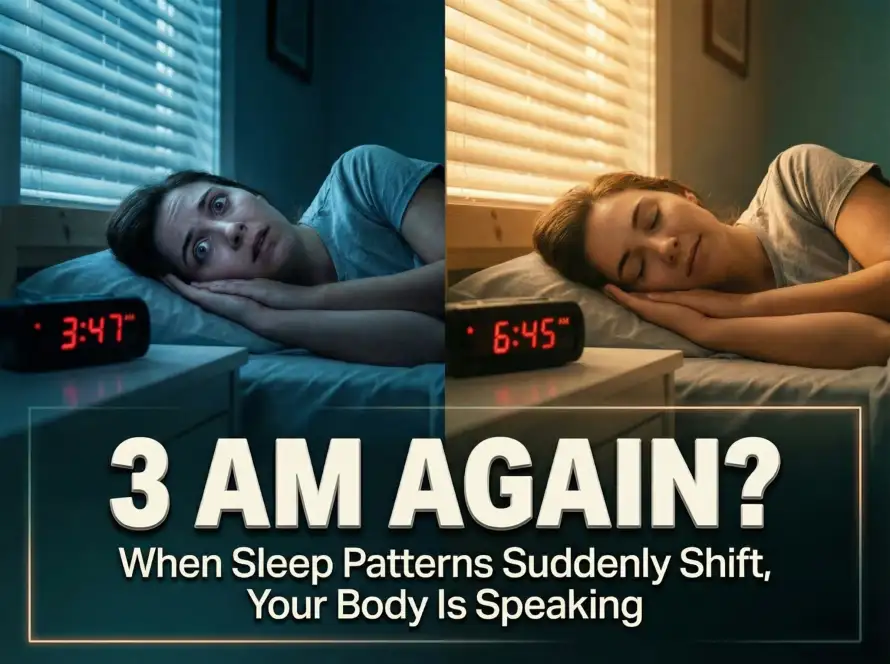
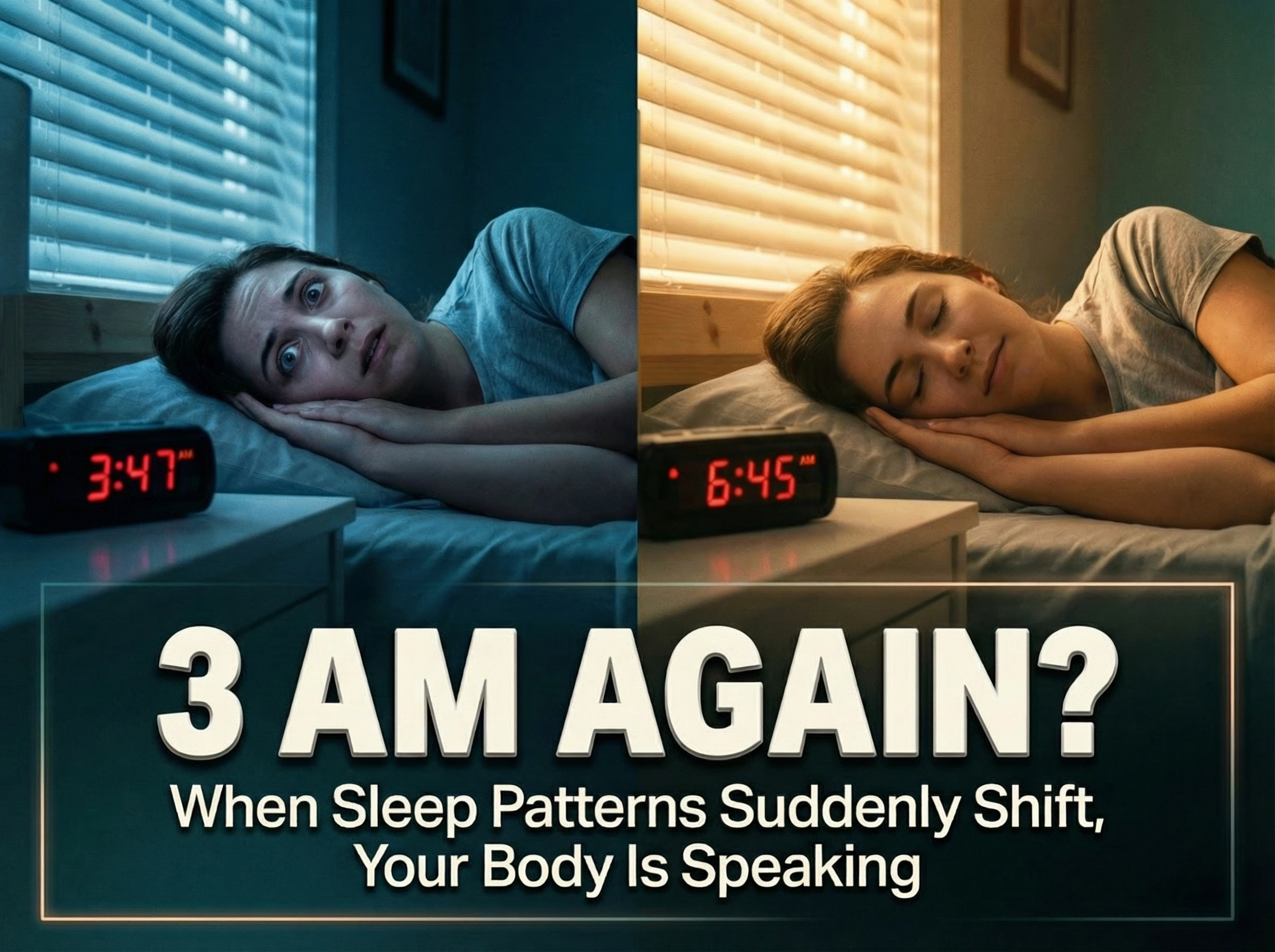
- Trouble sleeping
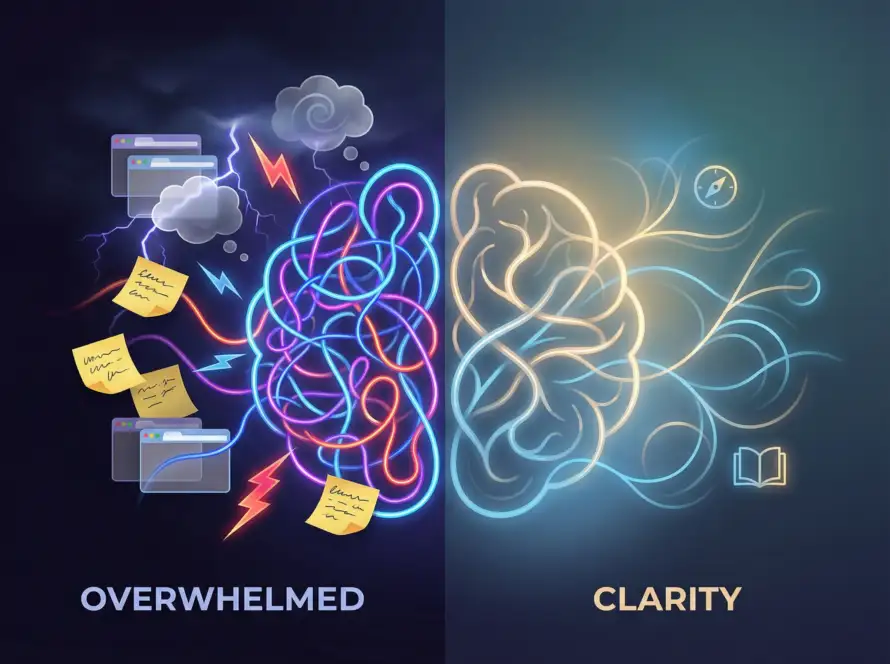
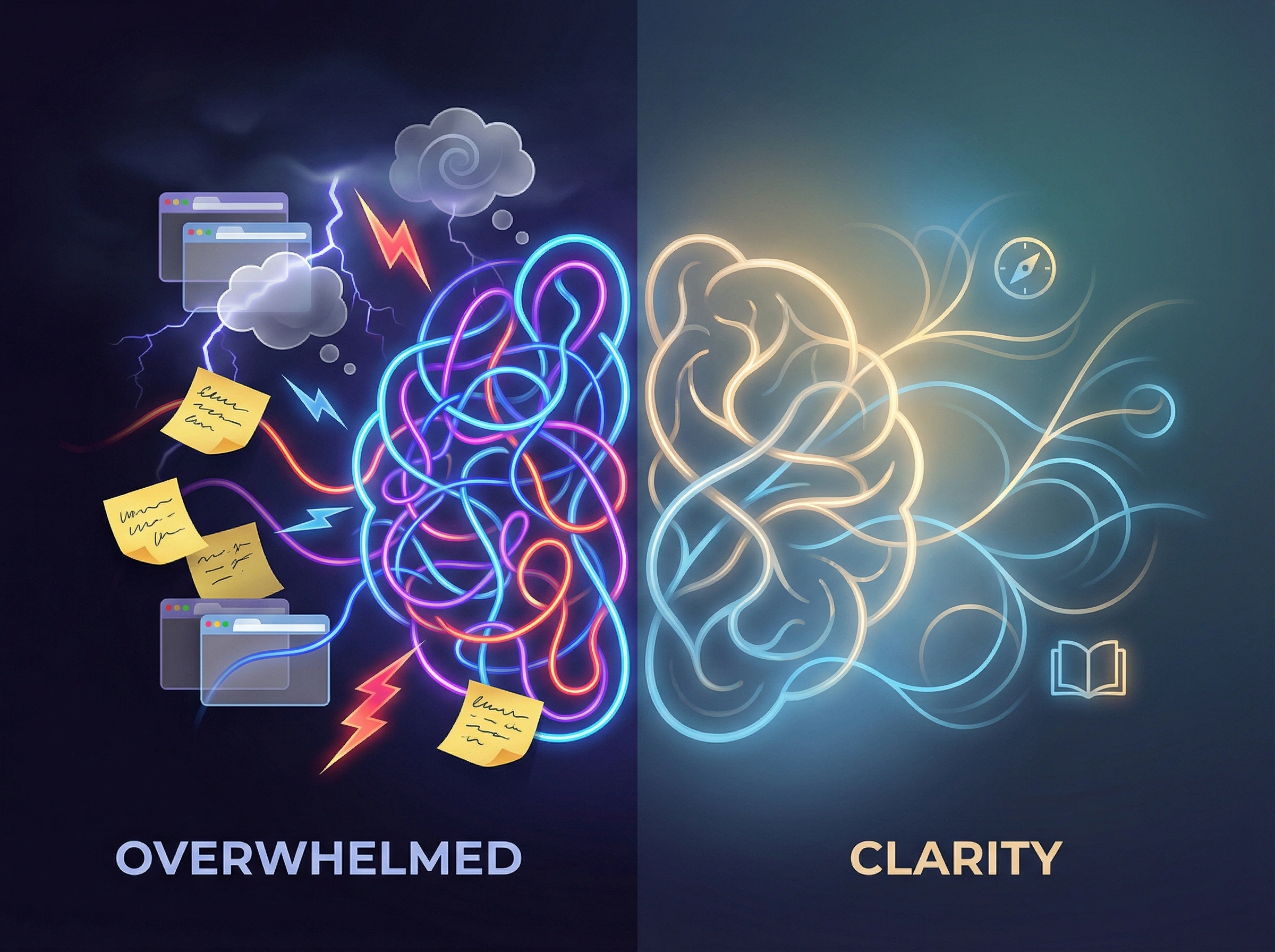
- Irritability and emotional overwhelm
- Physical symptoms like headaches or fatigue
When you’re juggling work deadlines, family responsibilities, financial pressures, and everything else life throws at you, these symptoms can feel like a natural response to being overloaded. And sometimes, they are. But for millions of adults, these struggles aren’t just about having too much on their plate—they’re signs of ADHD that have been there all along, quietly making everything harder than it needs to be.
The Key Differences: Timing and Patterns
The most important distinction between stress and ADHD comes down to when and how long you’ve been experiencing these challenges.
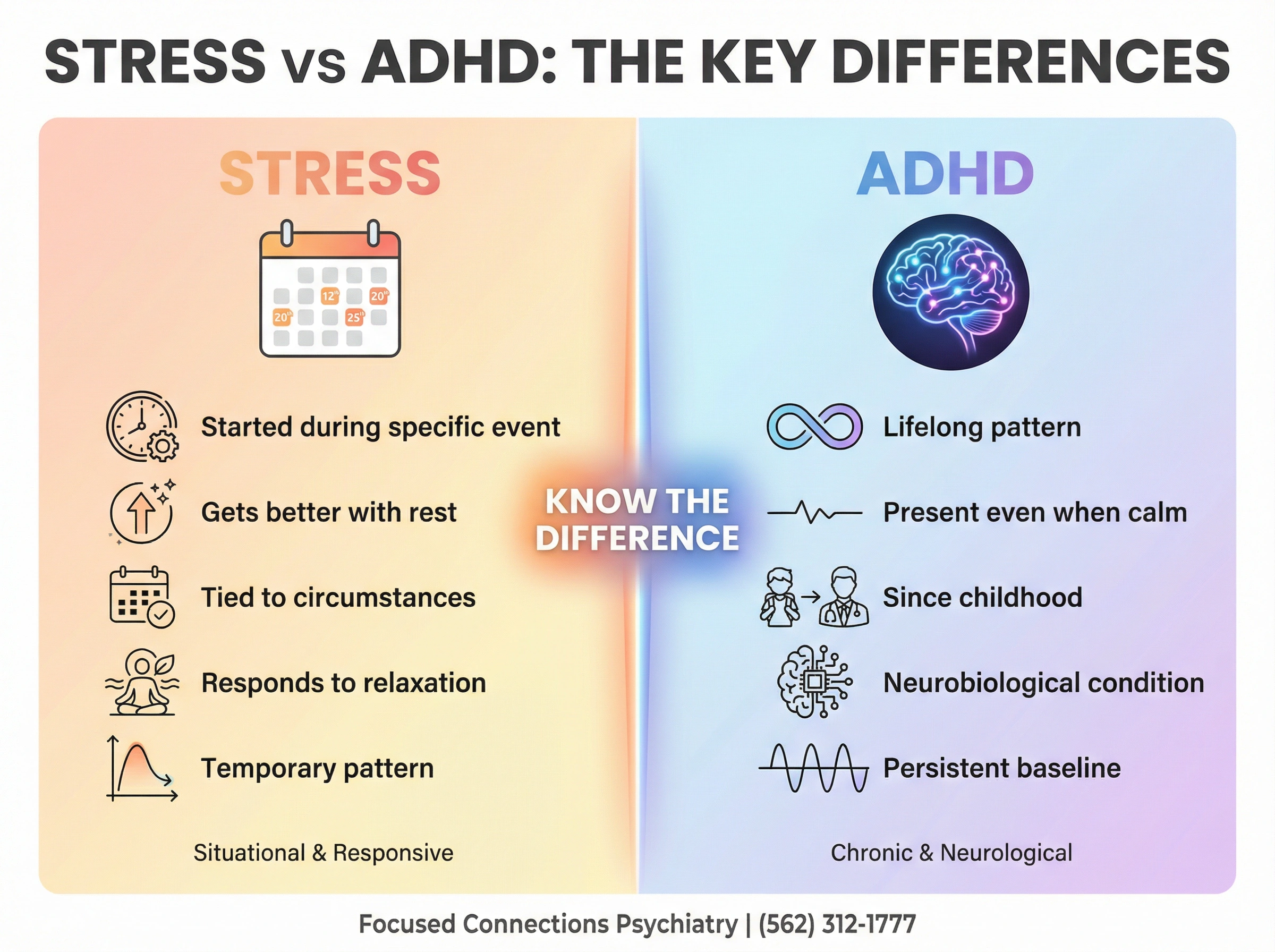
Stress is situational and temporary. It shows up in response to specific events or periods in your life—a big project at work, a move to a new city, a relationship conflict, or financial strain. When the stressor is resolved or reduced, your symptoms typically improve. You might notice that during a calm vacation or a lighter work period, your focus returns and you feel more like yourself again.
ADHD is persistent and lifelong. It doesn’t come and go based on your circumstances. If you have ADHD, you’ve likely struggled with focus, organization, and follow-through for as long as you can remember—even during periods when life was relatively calm. You might have been the kid who was “smart but doesn’t apply themselves” or the adult who’s always felt like you’re working twice as hard as everyone else just to keep up.
What Stress Looks Like
When you’re under significant stress, you might notice:
- Your focus problems started or worsened during a specific stressful period
- You can concentrate better when you’re well-rested or when pressure is reduced
- Your forgetfulness is tied to feeling overwhelmed, not a constant pattern
- You feel anxious or worried about specific situations
- Relaxation techniques, time off, or resolving the stressor brings noticeable relief
Stress is your brain’s response to external demands. It’s uncomfortable and can certainly interfere with your daily life, but it’s also responsive to changes in your environment and self-care practices.
What ADHD Looks Like
ADHD, on the other hand, shows up as:
- Long-standing patterns of inattention, even when life is relatively stable
- Difficulty finishing tasks you find boring, no matter how important they are
- Chronic lateness and time blindness (“I thought I had more time”)
- Losing items regularly—keys, phone, wallet, important documents
- Starting many projects but rarely completing them
- Impulsive decisions or interrupting others in conversation
- Restlessness that’s been with you since childhood or adolescence
- Feeling like your brain “never shuts off” or is constantly jumping between thoughts
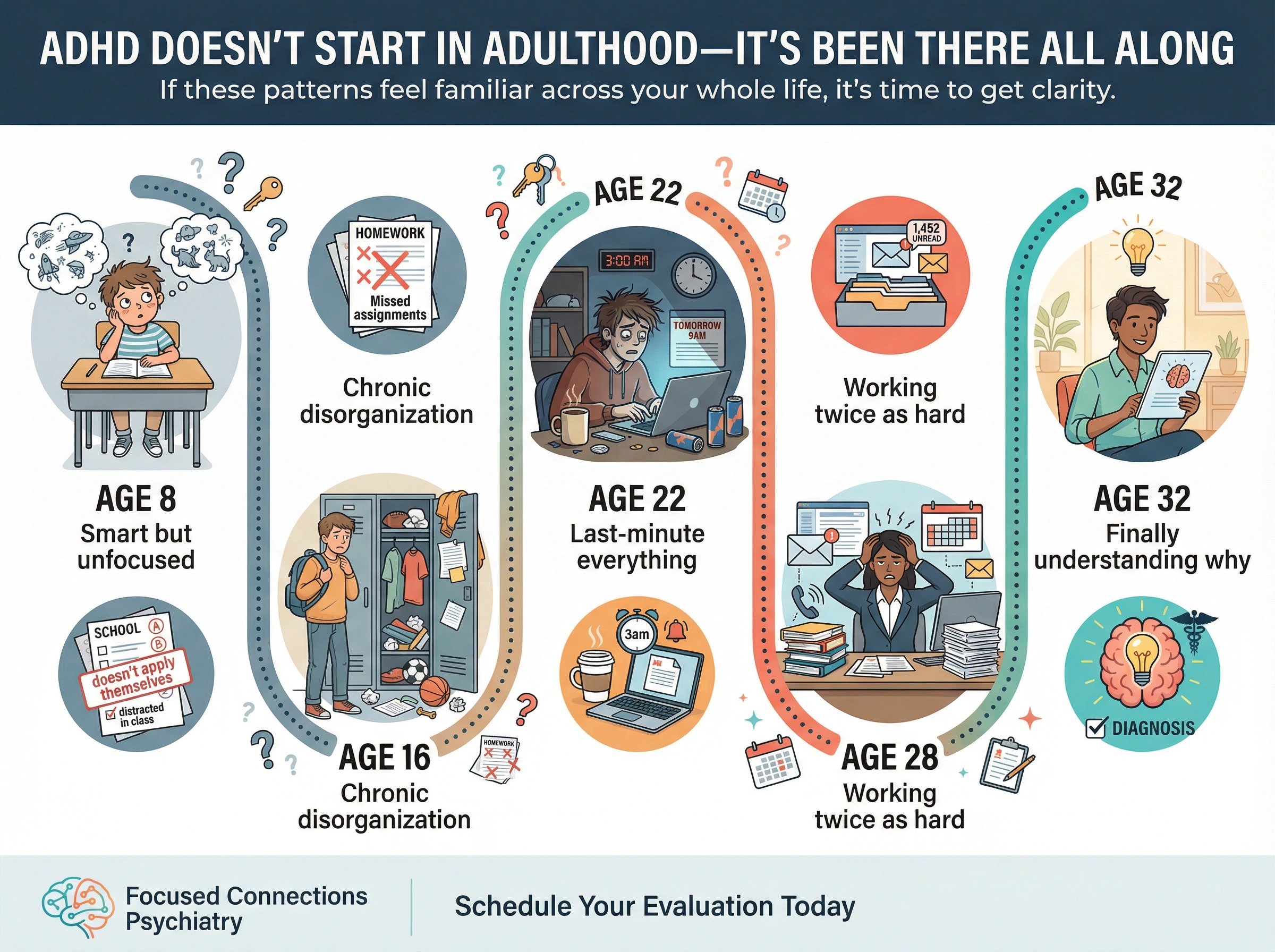
Many adults with ADHD describe feeling like they’re “lazy” or “not trying hard enough,” when in reality, their brain is wired differently. ADHD affects executive function—the mental processes that help you plan, organize, focus, and follow through. It’s not a character flaw or a lack of willpower; it’s a real, neurobiological condition that affects millions of people.
The Complication: They Can Coexist
Here’s where it gets even trickier: ADHD and stress often occur together. In fact, living with undiagnosed or untreated ADHD can create chronic stress. When you’re constantly struggling to meet deadlines, forgetting important commitments, or feeling like you’re failing at basic adult tasks, stress becomes a constant companion.
This is why professional evaluation is so important. At Focused Connections Psychiatry, we don’t just look at your current symptoms—we look at your whole history. We ask about your childhood, your patterns across different settings (work, home, relationships), and how long you’ve been experiencing these challenges. We use evidence-based tools like ADHD T.O.V.A. testing to get a complete picture of what’s really going on.
Why Getting Clarity Matters
Understanding whether you’re dealing with stress, ADHD, or both isn’t just about putting a label on your experience—it’s about getting the right support. Stress management techniques like meditation, exercise, and time off can be incredibly helpful for stress-related symptoms. But if you have ADHD, you may also benefit from medication management, ADHD-specific strategies, and ongoing support that addresses how your brain actually works.

You deserve clarity. You deserve to understand why things have felt so hard. And you deserve a treatment plan that actually fits your needs.
If you’ve been wondering whether your struggles are “just stress” or something more, we’re here to help you find answers. At Focused Connections Psychiatry, we provide compassionate, individualized care that gets to the root of what you’re experiencing—because you deserve care that truly understands you.
This information is for education and support only and is not a substitute for a professional evaluation or treatment. If you’re struggling with focus, organization, or feeling overwhelmed, reaching out for help is a strong and important step. Contact Focused Connections Psychiatry at (562) 312-1777 or click here to schedule a free symptom assessment.