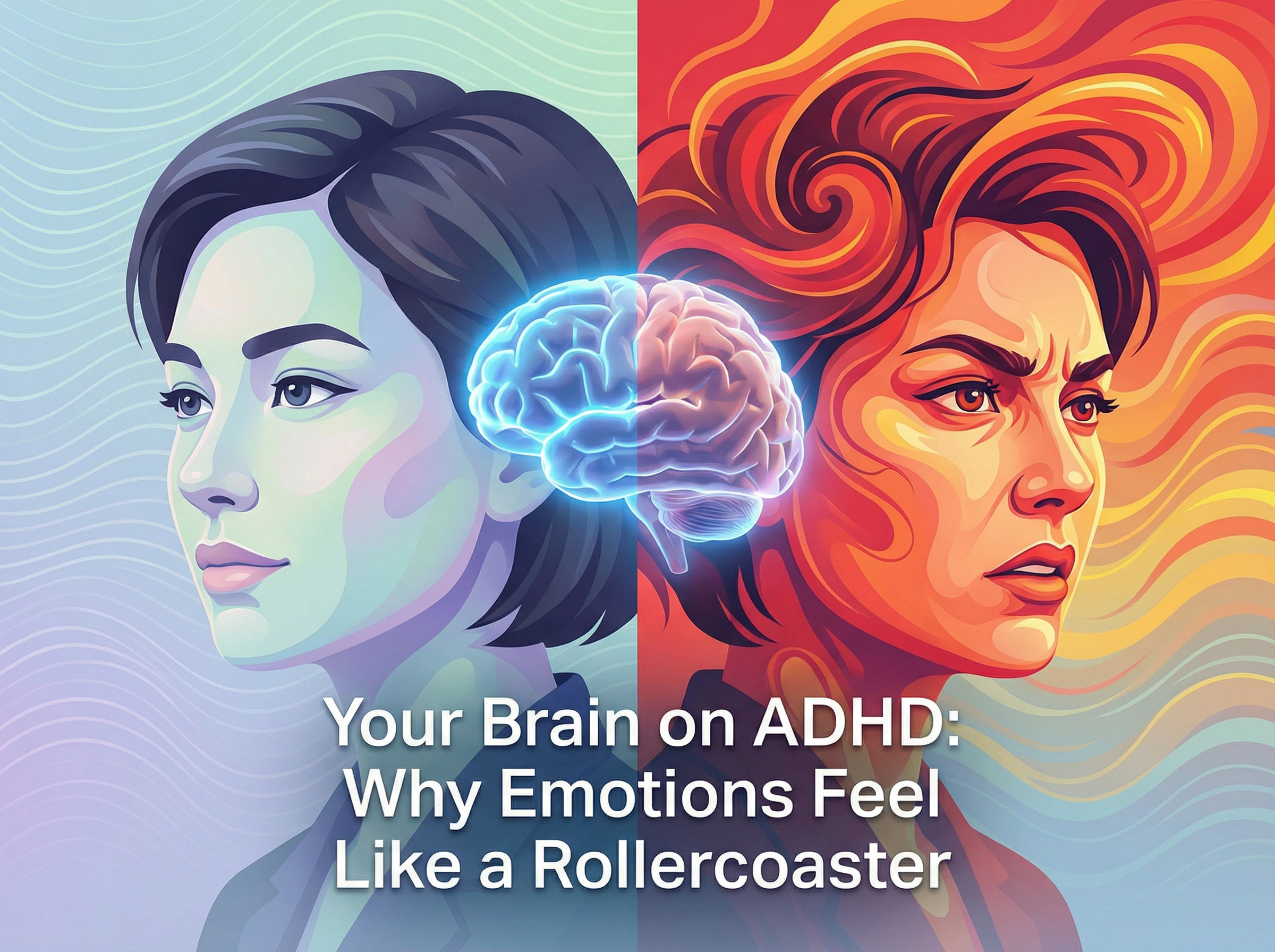
Why Your Emotions Feel Like a Rollercoaster?
Have you snapped at your partner over something small, then feel crushing guilt five minutes later? A minor setback at work sends you spiraling into frustration that lasts for hours.
Or maybe you find yourself tearing up during a commercial while everyone else just smiles. If you have ADHD, these intense emotional swings aren’t a character flaw—they’re a real, research-backed part of how your brain processes feelings.
At Focused Connections Psychiatry, we see this pattern every day: adults and teens who’ve learned to manage their focus and organization, but still struggle with emotions that feel too big, too fast, and too overwhelming. The good news? Understanding the connection between ADHD and emotional regulation is the first step toward finding strategies that actually work.
What Is Emotional Regulation (And Why Is It Harder with ADHD)?
Emotional regulation is your brain’s ability to manage and respond to emotional experiences in a healthy, proportionate way. It’s what helps most people feel frustrated without exploding, or disappointed without completely shutting down.
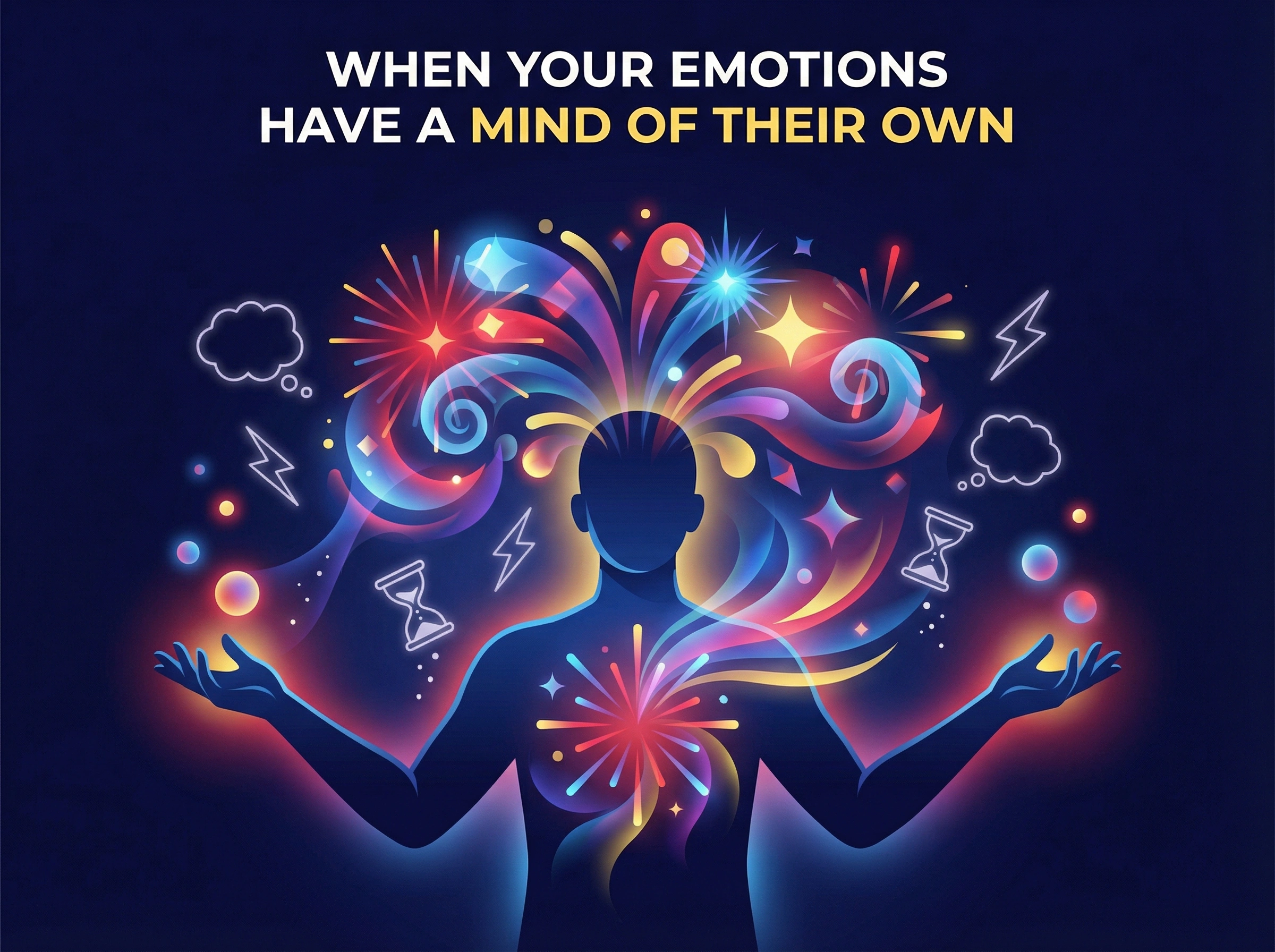
For people with ADHD, this process works differently. Research shows that ADHD affects the prefrontal cortex—the part of your brain responsible for executive functions like planning, impulse control, and yes, managing emotions. When this area doesn’t communicate as efficiently with other brain regions, emotional responses can feel like they have a mind of their own.
You might experience:
- Emotional impulsivity: Reacting before you have time to think, whether that’s snapping at someone, crying suddenly, or saying something you immediately regret
- Difficulty calming down: Once an emotion hits, it feels impossible to dial it back down to a manageable level
- Intense reactions to small triggers: What others brush off as minor can feel catastrophic to you
- Rapid mood shifts: Going from happy to frustrated to sad within minutes, leaving you (and those around you) confused
This isn’t about being “too sensitive” or “dramatic.” It’s about your brain processing emotional information differently.
The ADHD-Emotion Connection You Need to Know
Here’s what many people don’t realize: emotional dysregulation is so common in ADHD that some researchers believe it should be considered a core symptom, not just a side effect. Studies suggest that up to 70% of adults with ADHD struggle with emotional regulation.
The challenge shows up in several ways:
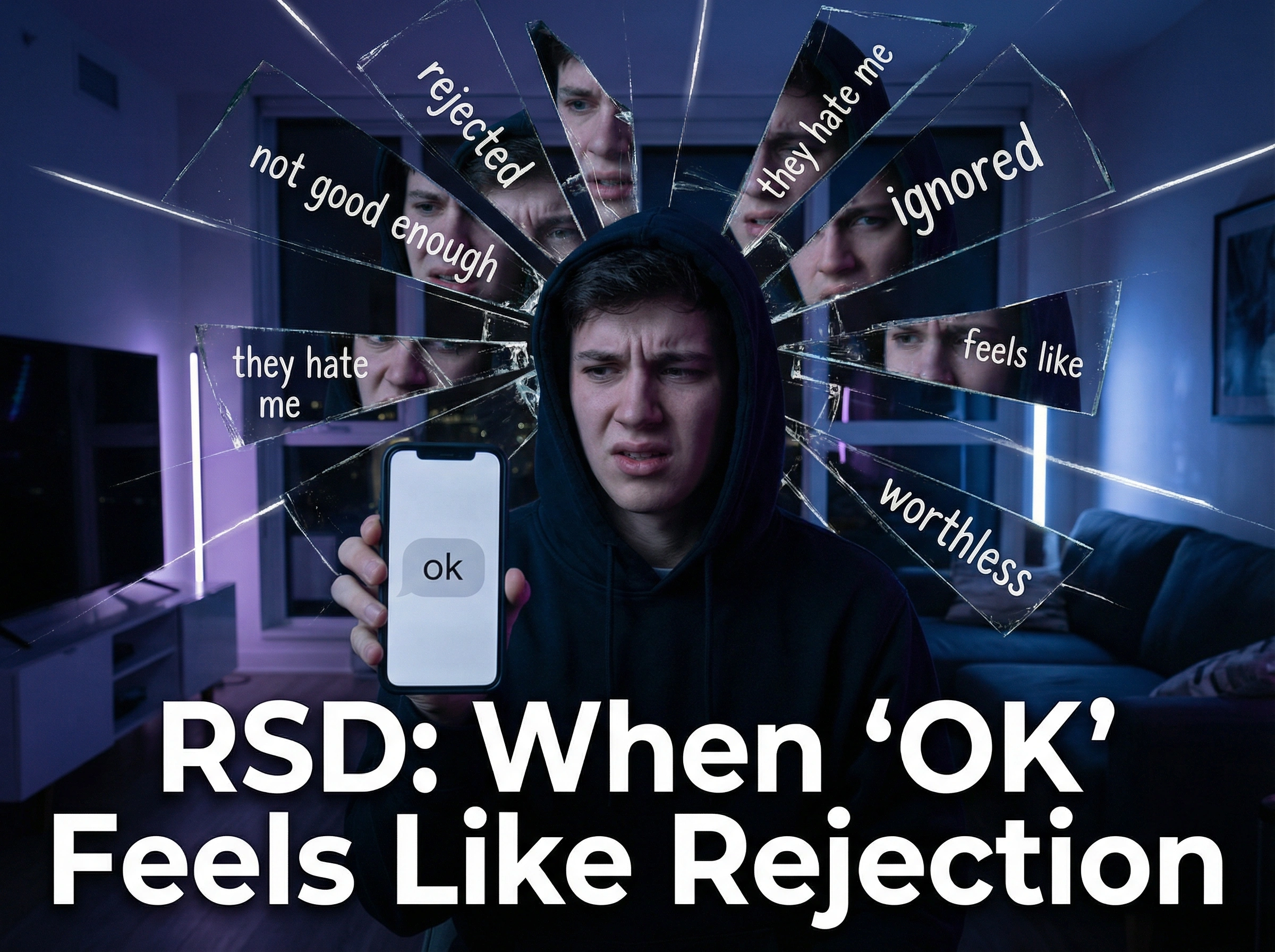
Rejection Sensitive Dysphoria (RSD): Many people with ADHD experience intense emotional pain in response to perceived rejection or criticism—even when it’s constructive or unintentional. A neutral text message can feel like a personal attack. A friend canceling plans can trigger deep feelings of abandonment.
Low frustration tolerance: Tasks that require sustained effort, especially boring or repetitive ones, can trigger disproportionate frustration or anger. It’s not that you don’t want to do them—your brain literally struggles to push through the discomfort.
Difficulty with delayed gratification: When you want something or want to feel better, waiting feels nearly impossible. This can lead to impulsive decisions made purely to escape uncomfortable emotions.
How Emotional Dysregulation Affects Your Daily Life
If you’ve ever wondered why your relationships feel harder, your work performance inconsistent, or your self-esteem fragile, emotional dysregulation might be the missing piece of the puzzle.
At work, you might avoid projects that feel overwhelming, not because you can’t do them, but because the anxiety or frustration feels unbearable. In relationships, your partner might describe you as “overreacting,” when really, you’re experiencing emotions at an intensity they can’t see or understand. And internally, you might carry deep shame about your emotional responses, believing something is fundamentally wrong with you.
The truth? You’re not broken. Your brain just needs different tools.
Finding Your Path Forward
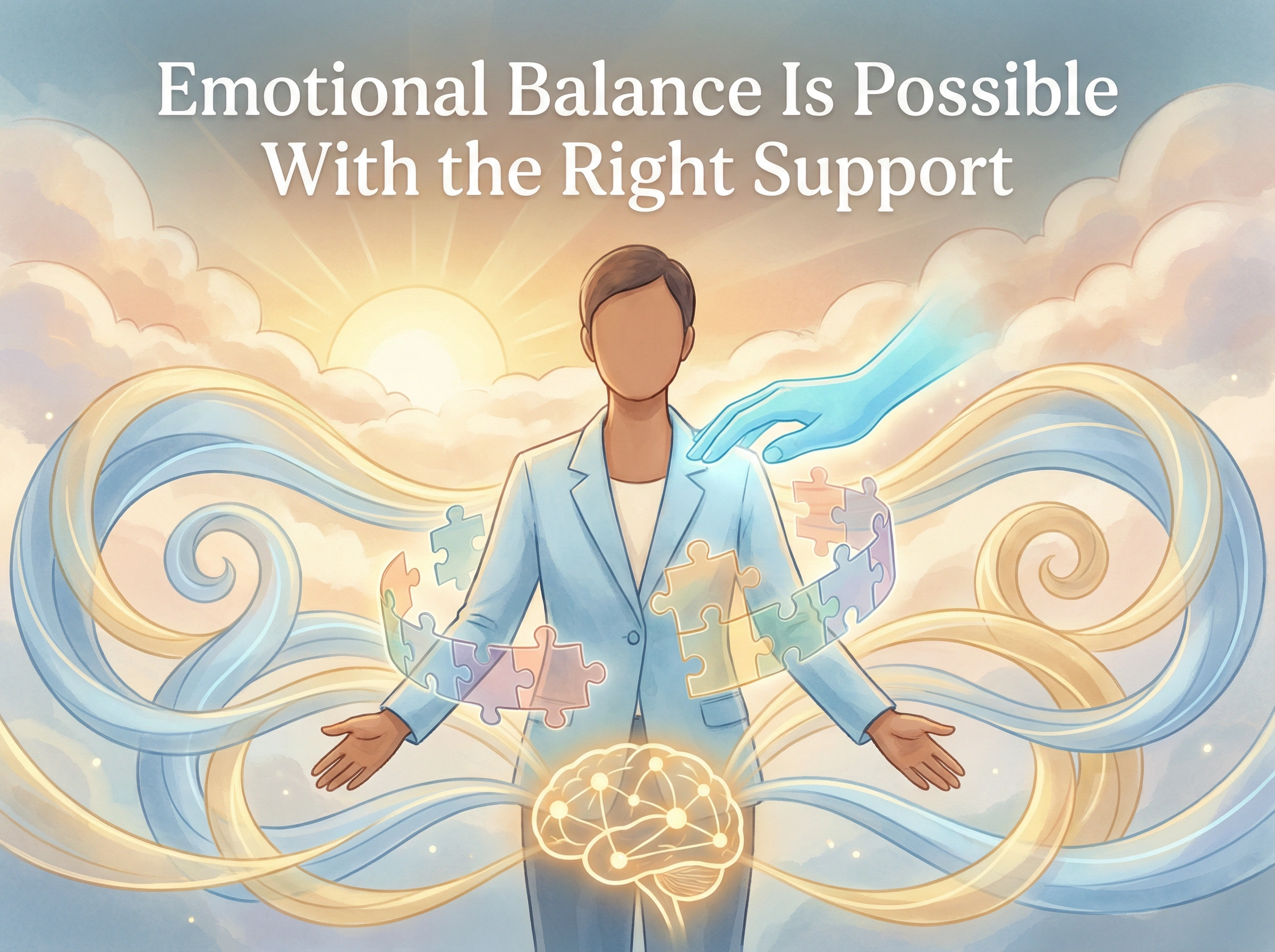
The good news is that emotional regulation skills can be learned and strengthened, especially when you’re working with providers who understand the ADHD brain.
Effective treatment often includes:
Medication management: For many people, ADHD medications don’t just help with focus—they also help create the mental space needed to pause before reacting emotionally. When your brain can slow down, you have more opportunity to choose your response.
Targeted therapy approaches: Cognitive-behavioral strategies, mindfulness practices, and dialectical behavior therapy (DBT) skills can all help you recognize emotional patterns and develop healthier responses.
Lifestyle strategies: Regular sleep, exercise, and stress management aren’t just good advice—they’re essential for emotional stability when you have ADHD. Your brain is already working harder; these basics give it the support it needs.
Understanding and self-compassion: Simply knowing that your emotional intensity is part of ADHD, not a personal failing, can reduce the shame that often makes emotional struggles worse.
You Deserve Support That Understands You
At Focused Connections Psychiatry, we don’t just treat symptoms—we help you understand the whole picture of how ADHD shows up in your life. Whether you’re just beginning to suspect ADHD might explain your emotional struggles, or you’ve been diagnosed for years but still feel out of control, we’re here to help you find clarity and build a treatment plan that actually fits your brain.
Your emotions aren’t too much. They’re just asking for the right kind of support.