What Your Brain Is Really Trying to Tell You?
You’re answering an email while half-listening to a meeting. Scrolling through your phone while “watching” TV. Eating lunch while reviewing a report. Sounds like yesterday, right?
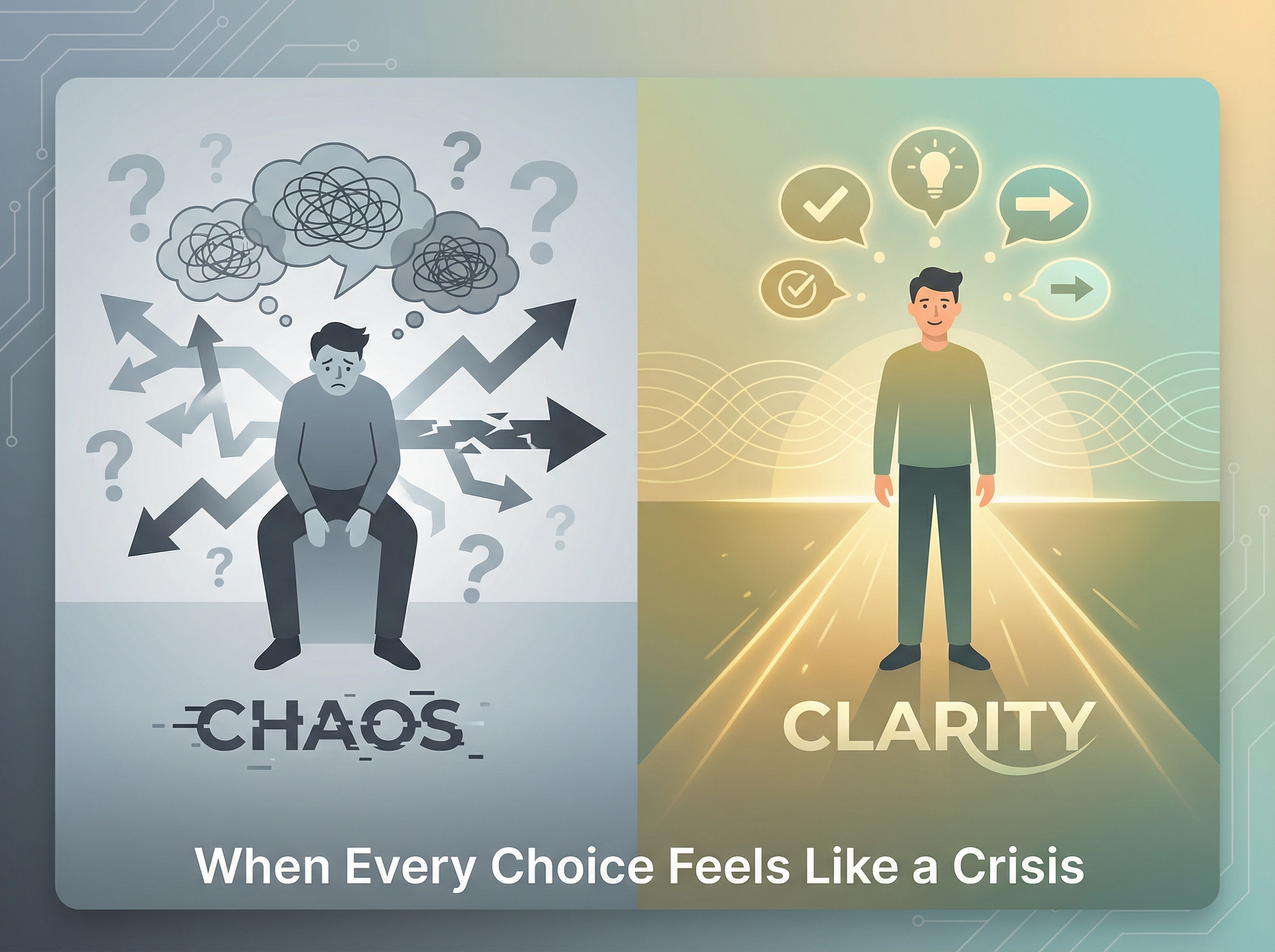
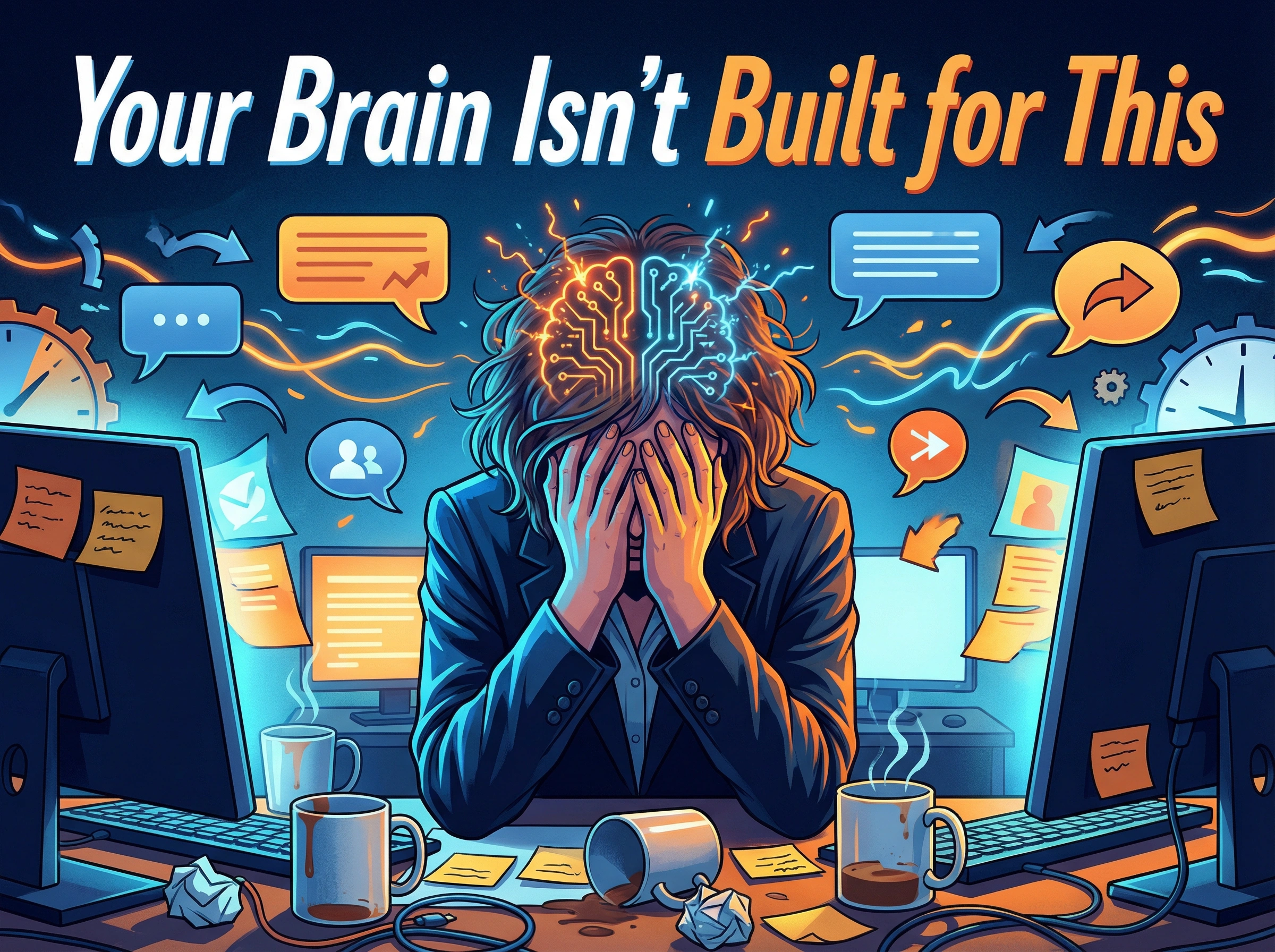
We’ve all been told that multitasking is a skill—a badge of productivity in our fast-paced world. But here’s the truth: multitasking isn’t making you more productive. It’s draining you. And if you have ADHD or struggle with focus and attention, the exhaustion you feel at the end of each day isn’t a personal failing—it’s your brain waving a white flag.
At Focused Connections Psychiatry, we work with people every day who describe feeling mentally exhausted despite “not really accomplishing much.” They wonder why their brain feels foggy, why simple tasks take forever, and why they collapse at the end of the day, even when their to-do list is still full. The answer often lies in how we’re asking our brains to work.
The Myth of Multitasking
Here’s what neuroscience has shown us: the human brain doesn’t actually multitask. What we call multitasking is really “task-switching”—rapidly shifting attention from one thing to another. And every single switch comes with a cost.
Research shows that when you switch between tasks, your brain needs time to reorient. You lose focus, make more errors, and take longer to complete each individual task than if you’d done them one at a time.
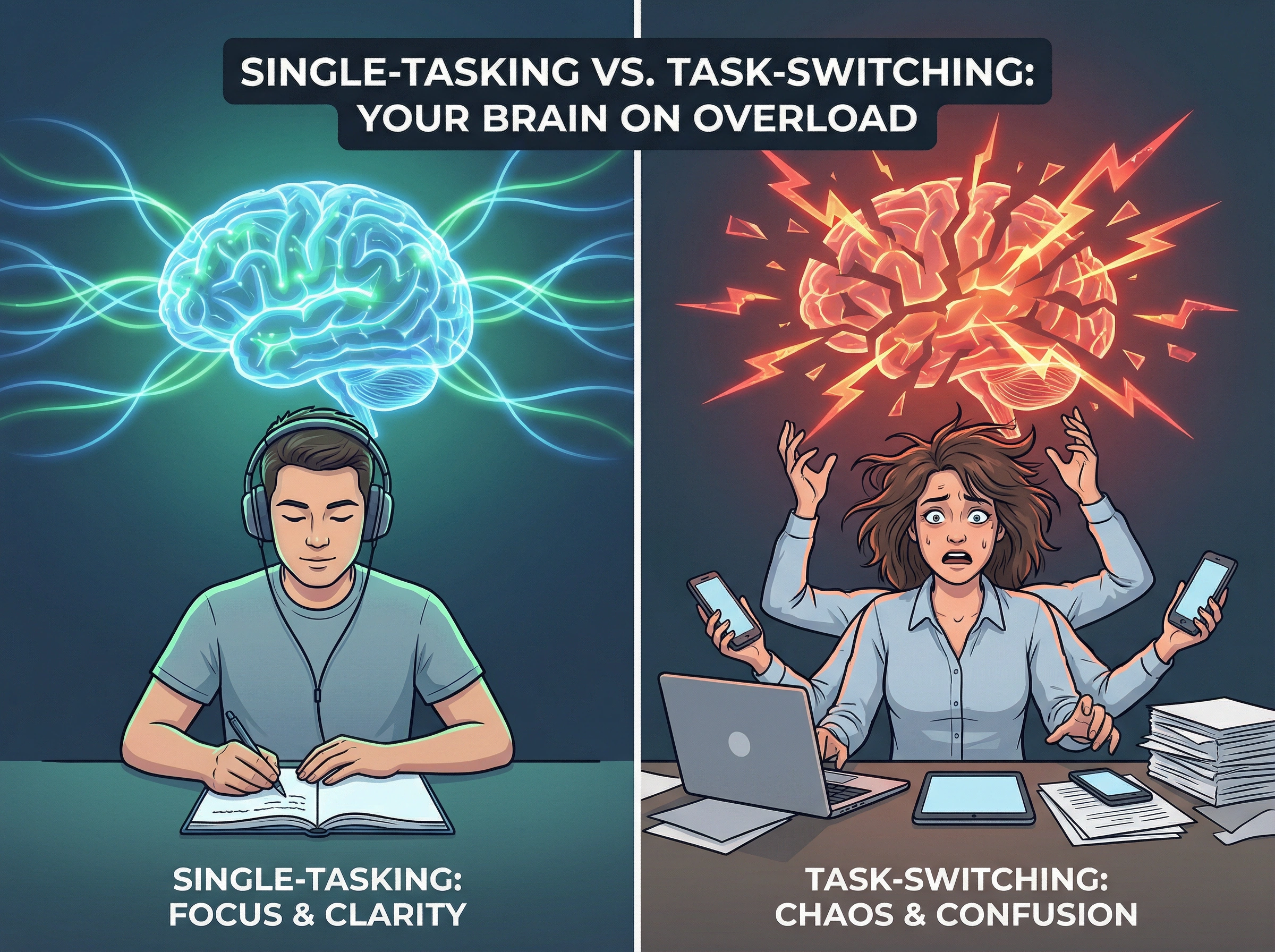
It’s like constantly stopping and starting your car in traffic instead of cruising smoothly down an open road. You burn more fuel and get nowhere fast.
For people with ADHD, this effect is even more pronounced. The ADHD brain already struggles with executive function—the mental processes that help us plan, focus, and follow through. Adding constant task-switching into the mix is like asking someone to juggle while running uphill. It’s not just hard; it’s unsustainable.
Why It Feels So Draining
Every time you switch tasks, your brain has to:
Disengage from what you were doing
Reorient to the new task
Reload the context and details
Refocus your attention
This process happens in milliseconds, but it adds up. By the end of the day, you’ve burned through enormous amounts of mental energy—not on productive work, but on the invisible labor of switching gears over and over again.
Think about how you feel after a day of constant interruptions, notifications, and jumping between tasks. That bone-deep exhaustion? That’s not laziness. That’s cognitive fatigue. Your brain has been working overtime just to keep up with the chaos.
And here’s the kicker: the more depleted you become, the harder it is to focus on anything at all. You might find yourself staring at a simple email for ten minutes, unable to form a coherent response. Or rereading the same paragraph five times without absorbing a word. This isn’t a character flaw—it’s a predictable consequence of mental overload.
The ADHD Connection
If you have ADHD, multitasking can feel both irresistible and impossible.
The ADHD brain craves novelty and stimulation, which makes switching between tasks feel temporarily satisfying.
But the executive function challenges that come with ADHD mean you’re also more vulnerable to losing your place, forgetting what you were doing, and feeling overwhelmed by the mental juggling act.
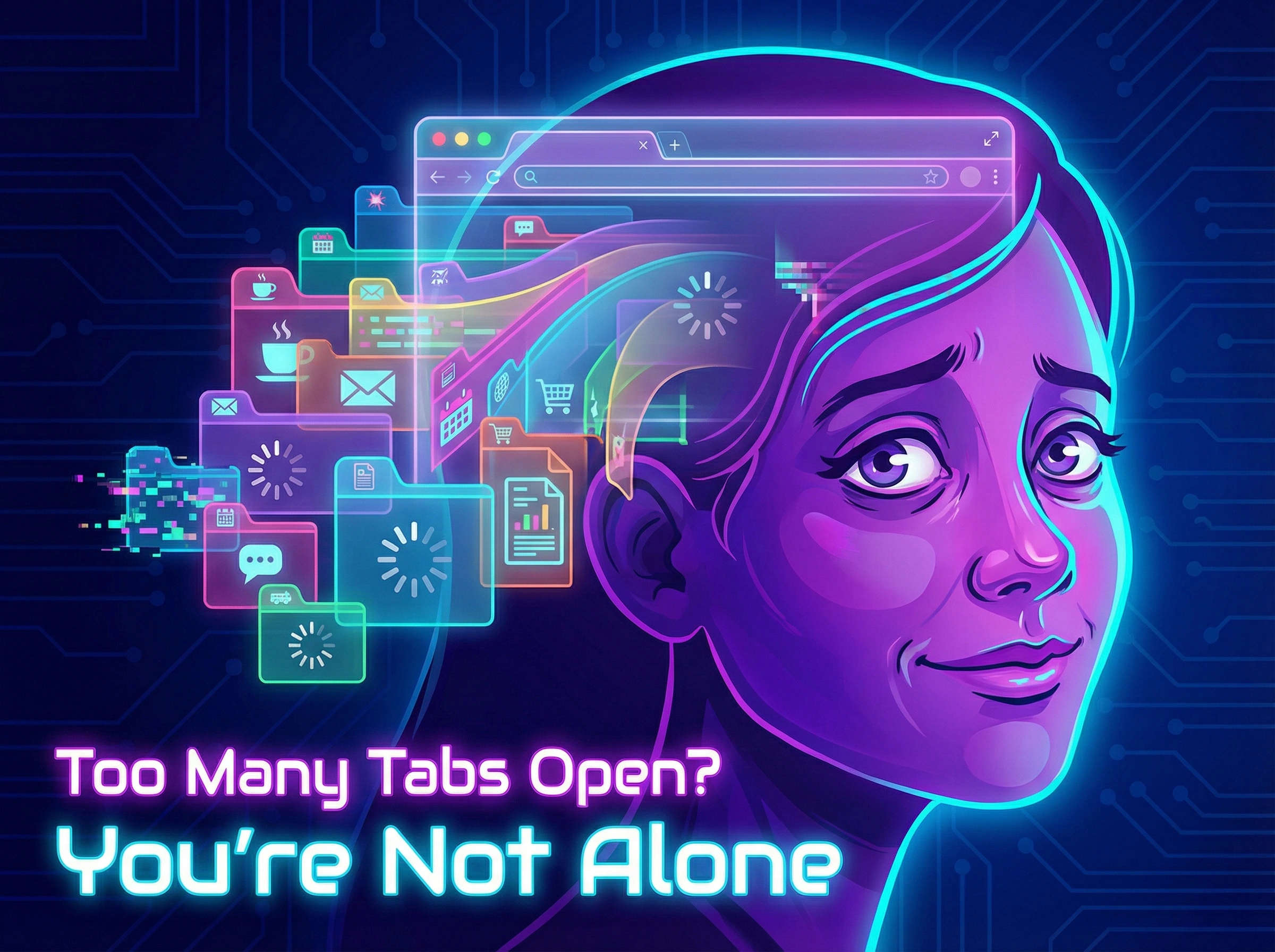
Many people with ADHD describe having “too many tabs open” in their brain. You start one task, get distracted by another, remember something else you need to do, and suddenly you’re three hours deep into a day where you’ve touched ten things but finished none of them.
The exhaustion that follows isn’t from being productive—it’s from your brain working incredibly hard to manage competing demands without the neurological tools to do it efficiently.

What You Can Do Instead
The good news? You don’t have to keep living this way. Here are some strategies that can help:
- Single-tasking: Choose one task and commit to it for a set period. Even 15-20 minutes of focused attention can be more productive than hours of scattered effort.
- Time blocking: Dedicate specific chunks of time to specific types of work. Protect that time from interruptions.
- Reduce notifications: Every ping is an invitation to task-switch. Turn off non-essential alerts during focus time.
- Take real breaks: Your brain needs downtime to recharge. Scrolling social media doesn’t count—try stepping outside, stretching, or simply sitting quietly.
- Seek support: If you’re constantly exhausted despite your best efforts, it may be worth exploring whether ADHD or another condition is making focus harder than it needs to be.
You Deserve Clarity
At Focused Connections Psychiatry, we understand that struggles with focus, attention, and mental fatigue aren’t about trying harder—they’re about understanding how your brain works and getting the right support. Through comprehensive evaluations, including tools like ADHD T.O.V.A. testing, we help people get clarity about what’s really going on and develop personalized treatment plans that actually work.
If multitasking is draining you, if you feel like you’re working hard but getting nowhere, or if you’re wondering whether ADHD might be part of the picture—you’re not alone, and there is a path forward.
This information is for education and support only and is not a substitute for a professional evaluation or treatment. If you’re struggling, reaching out for help is a strong and important step.
Ready to stop spinning your wheels? Contact Focused Connections Psychiatry at (562) 312-1777 or click here to schedule your free symptom assessment. The clarity you need is within reach.