Understanding the Brain Science Behind Your Wandering Focus
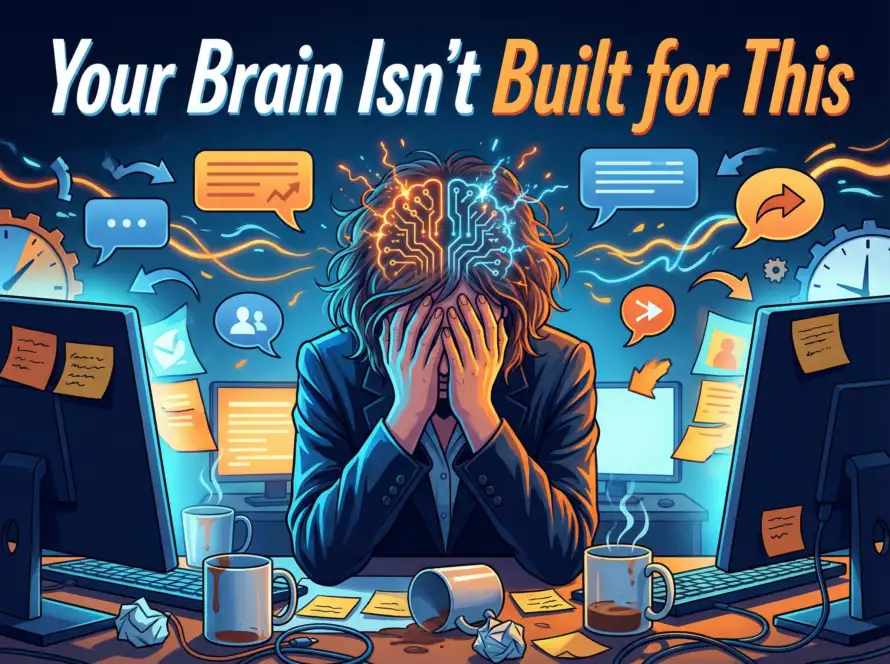
You’re sitting at your desk, determined to finish that important project. You open your laptop, pull up the document, and then—ping—a notification. You check it. Then you remember you need to respond to an email. While writing that email, you think of something you need to add to your grocery list. Before you know it, an hour has passed, and you’ve accomplished almost nothing on your original task.
Sound familiar?
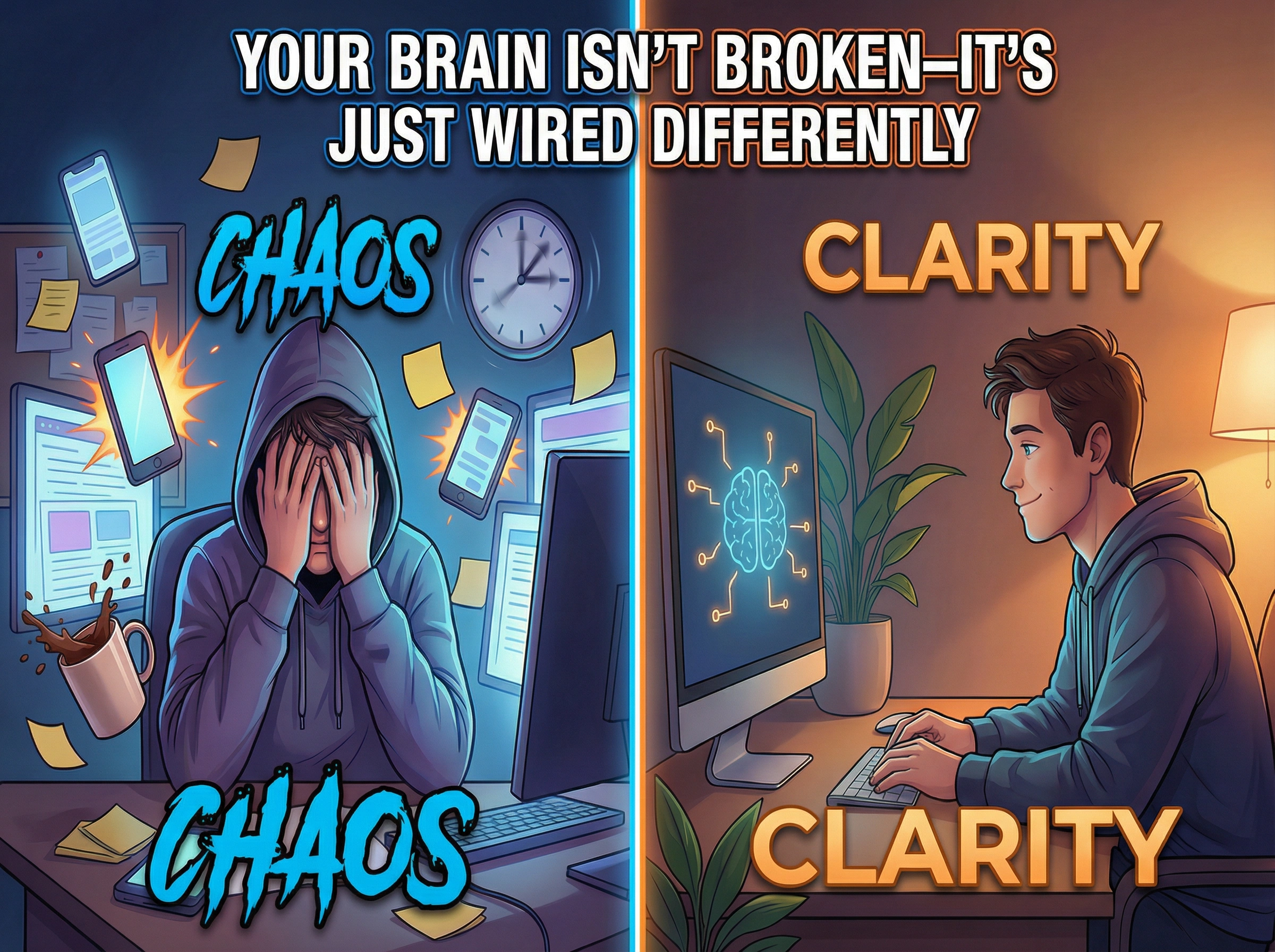
If you find yourself constantly battling distraction, you’re not alone—and more importantly, you’re not lazy, undisciplined, or broken. There’s actual brain science behind why some people struggle more with focus than others, and understanding it is the first step toward finding real solutions.
The Modern Distraction Epidemic
We live in an age of unprecedented distraction. Our phones buzz with notifications, our browsers tempt us with infinite tabs, and our environments are filled with competing stimuli. While everyone experiences distraction to some degree, some people find that their distractibility significantly impacts their work performance, relationships, and daily functioning.

You might notice patterns like:
- Starting multiple projects but rarely finishing them
- Missing important details in emails, instructions, or conversations
- Feeling like you’re “listening but not absorbing” when someone talks to you
- Losing track of time and consistently underestimating how long tasks will take
- Needing multiple reminders for appointments or deadlines
- Regularly misplacing your keys, phone, wallet, or important documents
If these experiences feel painfully familiar, it’s worth understanding what might be happening beneath the surface.
What’s Really Happening in Your Brain?
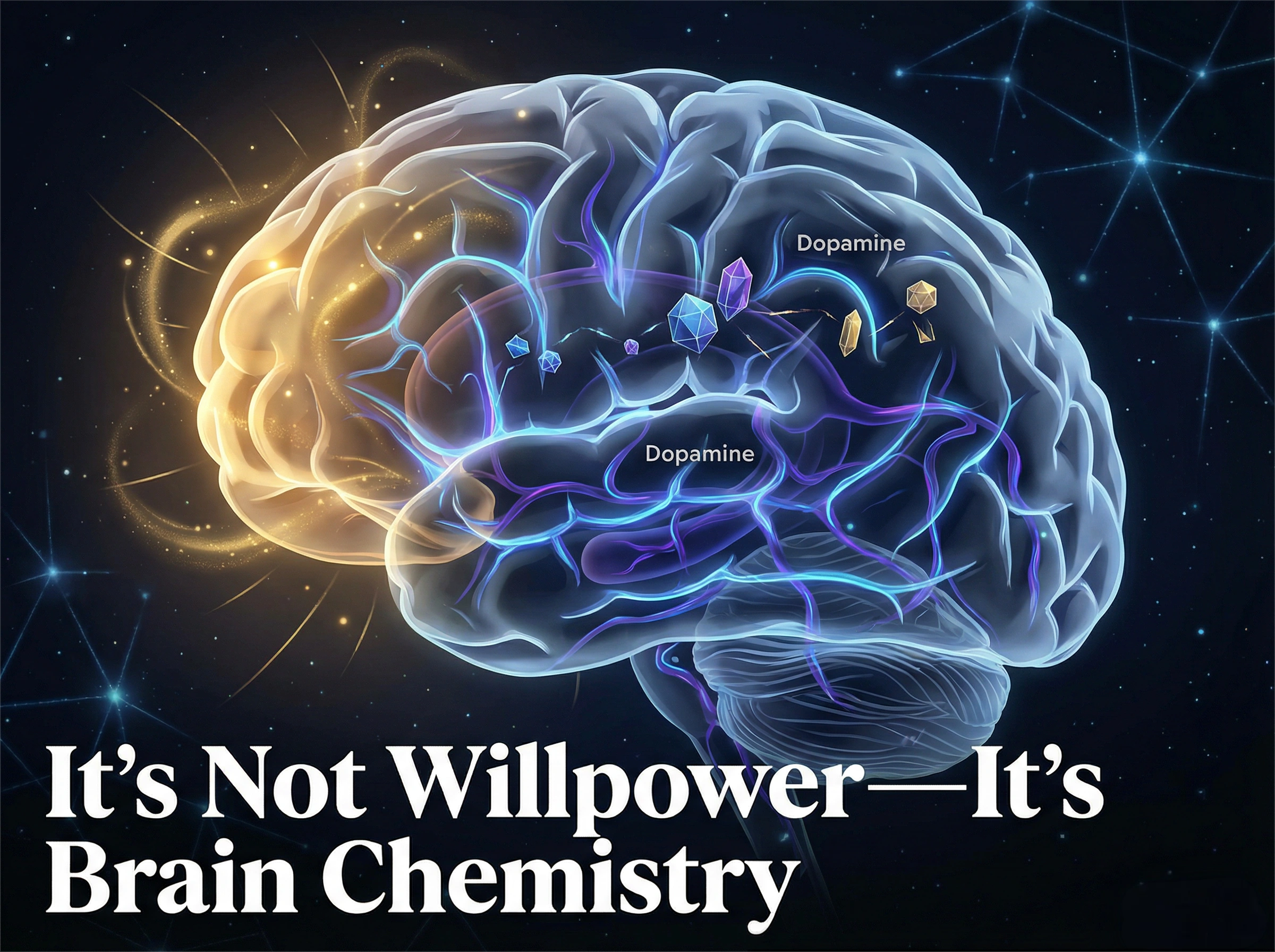
Attention and focus are controlled by complex networks in your brain, particularly involving areas like the prefrontal cortex (responsible for executive functions like planning and decision-making) and neurotransmitters like dopamine and norepinephrine. When these systems don’t function optimally, maintaining focus becomes genuinely difficult—not because you’re not trying hard enough, but because your brain is wired differently.
For many people, chronic distractibility isn’t a character flaw or a lack of willpower. It can be a symptom of Attention-Deficit/Hyperactivity Disorder (ADHD), a neurodevelopmental condition that affects millions of children and adults. ADHD is a processing disorder that impacts how the brain processes information and communicates with other brain regions. This ultimately impacts the brain’s ability to regulate attention, manage impulses, and organize tasks effectively.
People with ADHD often describe their attention as being “everywhere and nowhere at once.” Their brains may actually crave stimulation, which is why they might hyperfocus intensely on interesting tasks (like video games or creative projects) while finding it nearly impossible to concentrate on routine or “boring” tasks (like paperwork or administrative work).
Beyond ADHD: Other Factors That Affect Focus
While ADHD is a common cause of persistent distractibility, other factors can also impact your ability to focus:
Anxiety and stress can scatter your attention as your mind races with worries and what-ifs. When you’re anxious, your brain is essentially on high alert, scanning for threats, which makes it difficult to settle into focused work.
Depression can create a fog that makes concentration feel impossible. The mental fatigue and lack of motivation that accompany depression often manifest as difficulty staying on task.
Sleep issues dramatically affect cognitive function. Even mild sleep deprivation impairs attention, memory, and decision-making abilities.
Lifestyle factors like poor nutrition, lack of exercise, excessive caffeine, or too much screen time can all contribute to difficulty focusing.
The challenge is that these conditions can overlap and interact with each other, which is why a professional evaluation is so important for understanding what’s really going on.
When Distraction Becomes a Problem
How do you know if your distractibility is just a normal response to our overstimulated world, or if it’s something that warrants professional attention?
Consider whether your difficulty focusing:
- Persists across different settings (home, work, social situations)
- Has been present for a long time, possibly since childhood
- Causes real impairment in your work, relationships, or daily responsibilities
- Leads to feelings of shame, frustration, or being “less than” others
- Results in missed opportunities, forgotten commitments, or strained relationships
If you answered yes to several of these, it may be time to seek clarity through a professional evaluation.

Finding Your Path Forward
At Focused Connections Psychiatry, we understand that chronic distractibility isn’t about trying harder—it’s about understanding your unique brain and finding strategies that actually work for you. Our comprehensive approach includes thorough evaluations that look at the whole picture: your history, your current symptoms, and how they impact your daily life.
We use evidence-based tools like ADHD T.O.V.A. testing to provide objective data about attention patterns, helping us move beyond guesswork to create truly personalized treatment plans. Whether your distractibility stems from ADHD, anxiety, sleep issues, or a combination of factors, we work with you to develop a plan that may include medication management, lifestyle strategies, and ongoing support.
You don’t have to keep wondering “what’s wrong with me?” or struggling alone with a brain that feels like it’s working against you. Clarity is possible. Understanding is possible. And with the right support, better focus and a calmer, more organized life are within reach.
This information is for educational purposes and is not a substitute for professional evaluation or treatment. If you’re struggling with persistent distractibility, reaching out for help is a strong and important step.
Ready to understand what’s behind your distractibility? Contact Focused Connections Psychiatry at (562) 312-1777 or visit us at 4132 Katella Avenue, Suite 200, Los Alamitos, CA 90720 to schedule a comprehensive evaluation.