What It Could Mean and Why It Matters
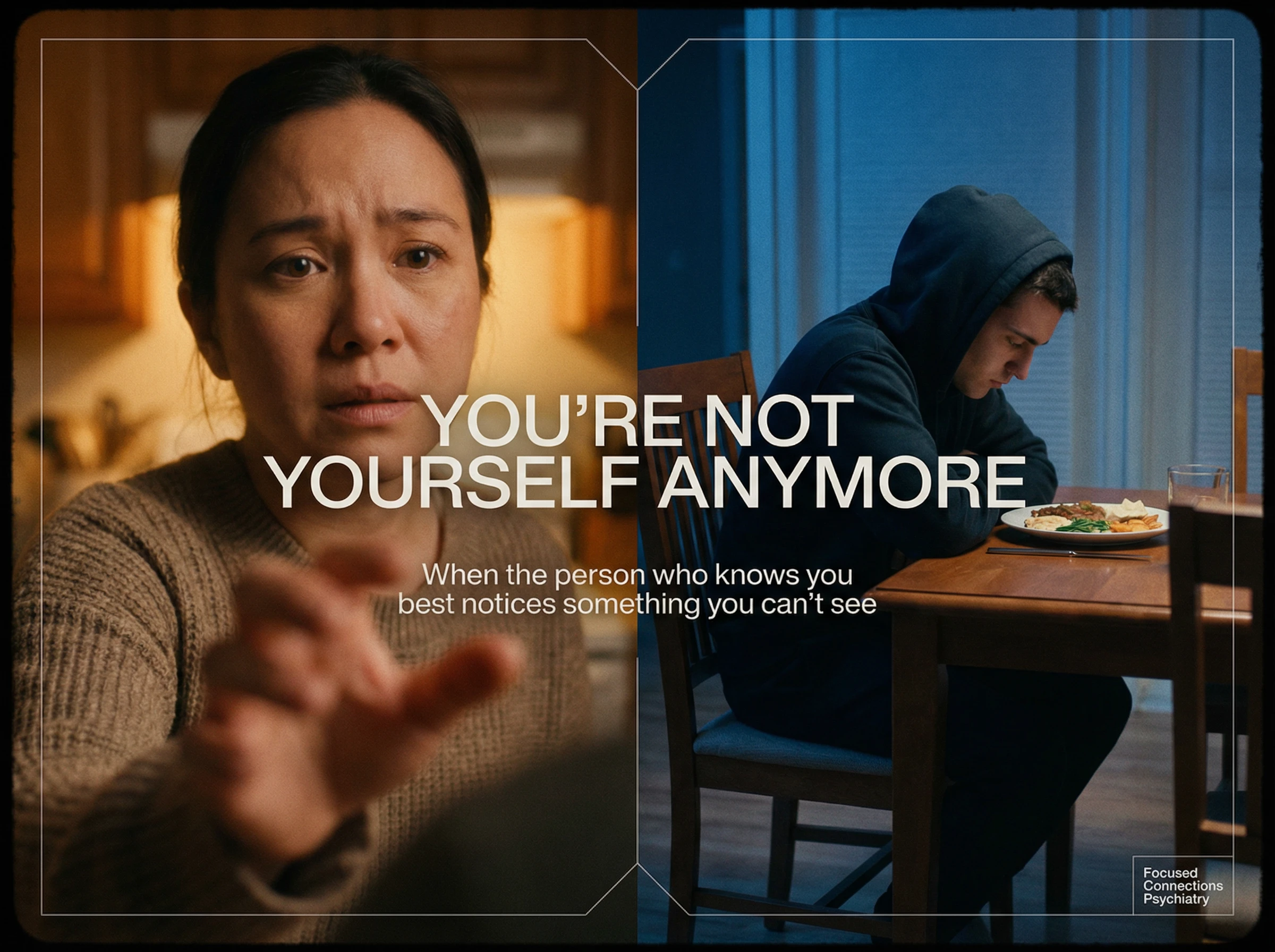
“You’re not yourself anymore.”
Four words that land heavy. Your partner says it gently over dinner, or maybe in frustration after another tense conversation.
They’ve noticed something—mood shifts, energy changes, behaviors that don’t quite match the person they know. And here’s the thing: they might be seeing something you haven’t fully recognized yet.
When someone who knows you intimately notices changes in your patterns, it’s worth paying attention. Not because something is necessarily “wrong” with you, but because these observations can be windows into understanding yourself better—and getting support that could genuinely help.
When Love Becomes a Mirror
Your partner occupies a unique vantage point in your life. They see you across different contexts—relaxed weekend mornings, stressful workdays, social gatherings, quiet evenings.
They notice patterns you might miss because you’re living inside them.
Maybe they’ve observed that you’re sleeping far less but seem wired with energy. Or perhaps you’ve withdrawn, spending hours alone when you used to seek connection. They might mention impulsive decisions—sudden expensive purchases, abrupt career ideas, or uncharacteristic risk-taking.

Or they’ve watched you cycle between intense productivity and periods where getting out of bed feels impossible.
These aren’t criticisms. They’re data points. And when someone who cares about you consistently notices shifts in your baseline, it deserves thoughtful consideration.
The Patterns That Partners Notice
Certain changes tend to stand out to those closest to us:
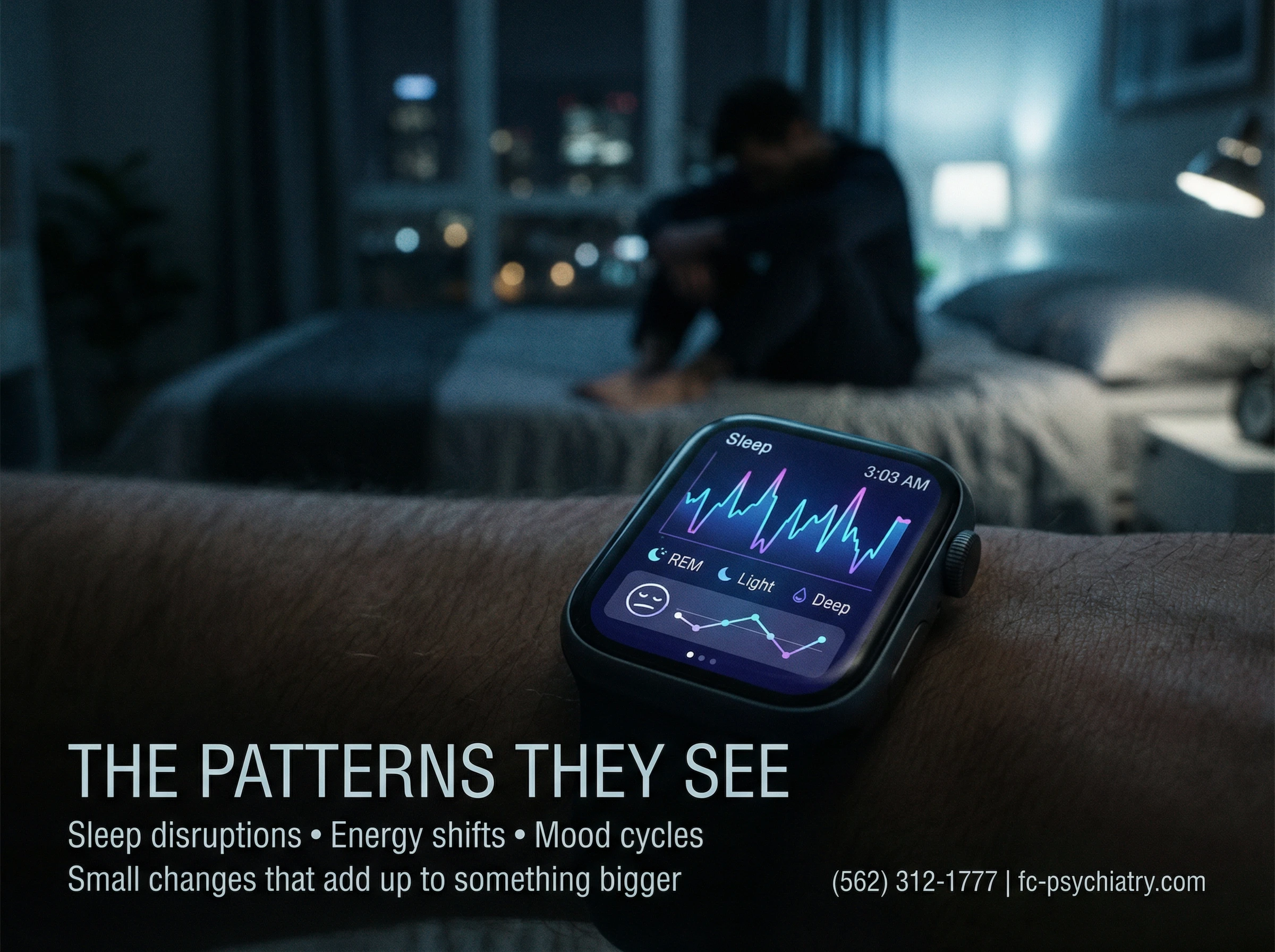
Energy and sleep disruptions. You’re functioning on three hours of sleep but insisting you feel great. Or conversely, you’re sleeping twelve hours and still exhausted. Your partner notices because it affects your shared life—late-night projects, missed morning routines, or plans canceled due to fatigue.
Mood fluctuations that feel extreme. Everyone has good days and bad days. Your partner might be noticing something different—periods of unusual confidence or irritability followed by deep lows. The intensity or duration feels beyond typical stress responses.
Communication changes. Maybe you’re talking rapidly, jumping between ideas faster than usual. Or you’ve become quieter, more withdrawn. Conversations that used to flow easily now feel strained or disconnected.
Decision-making shifts. Impulsive choices that don’t align with your usual thoughtfulness. Financial decisions made without discussion. Sudden changes in priorities or commitments that leave your partner confused about what happened to your shared plans.
Emotional intensity. Reactions that seem disproportionate to situations. Heightened irritability over small things. Or emotional flatness where you used to show enthusiasm.
Why This Feedback Matters
It’s natural to feel defensive when someone suggests you’ve changed. We all want to believe we understand ourselves completely. But here’s what’s important: mood and behavioral patterns can shift gradually enough that we adapt to them without realizing how significant the changes have become.
Your partner isn’t inside your head. They can’t feel what you’re experiencing. But they can observe the external manifestations of internal shifts—and sometimes those external observations reveal patterns worth exploring with a professional.
Conditions like bipolar disorder, for instance, often involve mood cycles that others notice before the individual fully recognizes them. Hypomanic episodes might feel productive or creative from the inside, while appearing concerning to someone watching from the outside. Depressive episodes might feel like you’re “just tired” until someone points out it’s been weeks of withdrawal.
Anxiety disorders can manifest as irritability or restlessness that affects relationships. ADHD in adults often shows up as inconsistency that partners experience as unpredictability. These aren’t character flaws—they’re treatable conditions that respond well to proper support.
Moving Forward Together
If your partner has expressed concern about changes they’re noticing, consider these steps:
Listen without immediate defensiveness. Ask specific questions: What exactly have they noticed? When did it start? How does it affect them? Their perspective offers valuable information, even if it’s uncomfortable to hear.
Reflect honestly. Do their observations align with anything you’ve noticed internally? Have you felt different, even if you couldn’t quite name it? Sometimes external feedback helps us connect dots we’ve been ignoring.

Consider professional evaluation. You don’t need to have all the answers before reaching out for support. A psychiatric evaluation isn’t about labeling you—it’s about understanding patterns and exploring whether there are tools, strategies, or treatments that could help you feel more stable and connected.
Frame it as partnership. This isn’t about your partner being “right” and you being “wrong.” It’s about two people who care about each other working together to understand what’s happening and how to move forward in a way that supports your wellbeing and your relationship.
You Deserve Clarity
At Focused Connections Psychiatry, we understand that recognizing the need for support often comes through the eyes of people who love us. We provide compassionate, thorough evaluations that help you understand your experiences—not to label you, but to give you clarity and options.
Your partner’s observations don’t define you, but they might be pointing toward support that could genuinely help. You’re not alone in this, and exploring what’s happening is a sign of strength, not weakness.
Because you deserve to feel like yourself—and your relationships deserve the stability that comes from understanding and addressing what’s really going on.
If you or your partner have noticed concerning changes in mood, energy, or behavior, Focused Connections Psychiatry offers comprehensive evaluations in a judgment-free environment. Contact us at (562) 312-1777 today or click here to schedule your free symptom assessment.