Understanding When Depression Treatment Backfires
You did everything right. You recognized you were struggling, gathered the courage to seek help, and started taking antidepressants with hope for relief. But instead of feeling better, something shifted—and not in the direction you expected.
Maybe you felt more anxious, restless, or agitated. Perhaps your sleep became even more disrupted, or you noticed yourself feeling unusually energized but emotionally unstable.
You might have experienced racing thoughts, impulsive decisions, or mood swings that felt completely out of character. And now you’re left wondering: Why did the medication meant to help me make everything worse?
If this sounds familiar, you’re not alone—and there’s a crucial reason this happens that many people don’t know about.
The Hidden Pattern Behind Treatment Resistance
When antidepressants worsen symptoms rather than improve them, it’s often not a failure of the medication itself—it’s a signal that something deeper is happening beneath the surface.
What many people don’t realize is that depression doesn’t always exist in isolation. Sometimes, what appears to be straightforward depression is actually part of a more complex mood pattern.
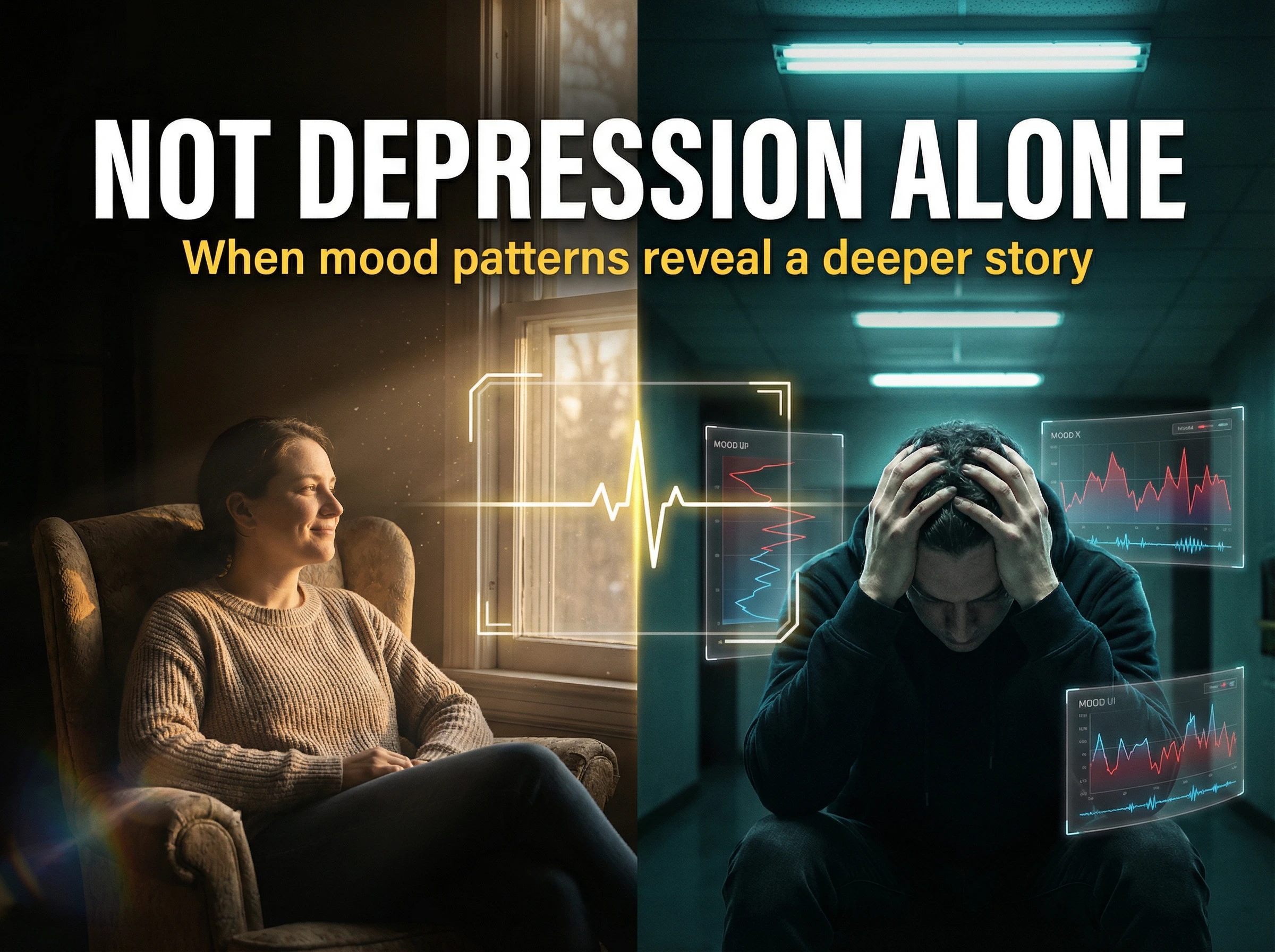
For some individuals, antidepressants can unmask or trigger symptoms of conditions like bipolar disorder. This isn’t because the medication is inherently harmful, but because it’s addressing only part of the picture.
When someone with unrecognized bipolar disorder takes an antidepressant alone—without a mood stabilizer—it can sometimes trigger elevated mood states, increased energy, irritability, or mixed symptoms that feel destabilizing rather than healing.
Recognizing the Warning Signs
So how do you know if your worsening symptoms are a sign of something more complex? Here are some experiences people commonly describe when antidepressants aren’t the right fit:
Increased agitation or restlessness: Instead of feeling calmer, you feel wired, unable to sit still, or internally revved up in an uncomfortable way.
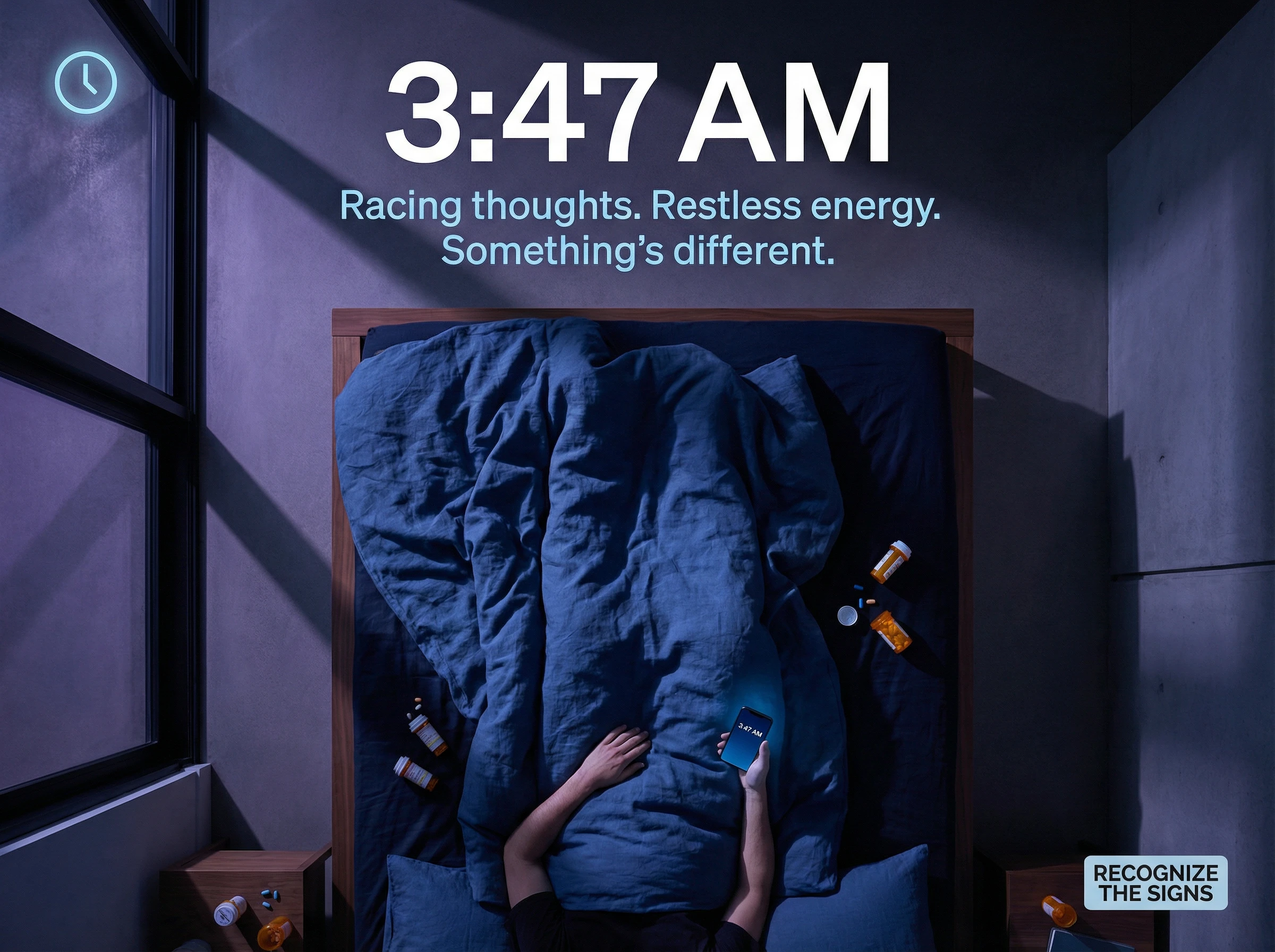
Sleep disruption: Rather than sleeping better, you find yourself needing less sleep but feeling energized—or experiencing racing thoughts that keep you awake.
Mood instability: Your emotions feel more unpredictable, swinging between irritability, sadness, and bursts of unusual confidence or energy.
Impulsive behavior: You notice yourself making uncharacteristic decisions—spending money impulsively, taking risks, or acting without your usual caution.
Racing thoughts: Your mind feels like it’s moving too fast, jumping between ideas, making it hard to focus or feel grounded.
Mixed feelings: You experience high energy alongside low mood—feeling agitated and hopeless at the same time, which can be particularly distressing.
These aren’t signs that you’re “treatment-resistant” or that nothing can help. They’re signals that your care plan may need to be adjusted to address the full scope of what you’re experiencing.
Why This Happens: The Bipolar Connection
Bipolar disorder exists on a spectrum. While some people experience obvious manic episodes that are impossible to miss, others experience subtler patterns—periods of hypomania that might feel productive or creative, followed by depressive crashes.
These hypomanic periods can be easy to overlook or even feel positive in the moment, which is why bipolar II disorder is often misdiagnosed as depression alone.
When someone with bipolar patterns takes an antidepressant without mood stabilization, it can be like pressing the accelerator without having brakes. The medication lifts mood and energy, but without the stabilizing component, it can push someone into uncomfortable or destabilizing elevated states.
This doesn’t mean antidepressants are dangerous—it means they need to be part of a comprehensive treatment approach that addresses mood stability from all angles.
What to Do If This Is Your Story
If you’re reading this and recognizing your own experience, the most important thing to know is that you deserve care that truly understands you. Here’s what to consider:
Talk openly with your provider: Share exactly what you’ve been experiencing since starting medication. Details about sleep changes, energy shifts, impulsivity, and mood patterns are crucial information.
Consider a comprehensive evaluation: A thorough psychiatric assessment can help identify whether mood cycling or bipolar patterns are part of your experience. This isn’t about labels—it’s about getting the full picture so treatment can be tailored effectively.
Explore mood stabilization: For many people with bipolar patterns, treatment that includes mood stabilization alongside other interventions provides the steady foundation that antidepressants alone couldn’t offer.

Don’t lose hope: Feeling worse on antidepressants doesn’t mean you’re untreatable. It means you need a different approach—one that addresses the complexity of your unique mood patterns.
Moving Forward with Clarity
At Focused Connections Psychiatry, we understand that mood disorders are rarely simple or one-size-fits-all. When treatment isn’t working—or worse, when it’s making things harder—we believe in taking a step back to understand the full picture. Through comprehensive evaluation, collaborative conversation, and personalized treatment planning, we help individuals find the stability and clarity they’ve been searching for.
Your experiences deserve care that truly sees you. If antidepressants made you worse, it’s not the end of your story—it’s the beginning of finding answers that actually fit.
If you’re experiencing worsening symptoms on antidepressants or struggling with mood instability, reach out to Focused Connections Psychiatry at (562) 312-1777 today or click here to schedule your free symptom assessment. We’re here to help you find clarity and the care that works for you.