Why It Matters More Than You Think
You’re crushing it at work. Ideas are flowing faster than you can capture them. You’ve reorganized your entire apartment at 2 AM and still feel energized.
Your friends comment on how “on” you seem lately—confident, charismatic, unstoppable. You’re sleeping just three hours a night, but who needs sleep when life feels this good?
Then, seemingly out of nowhere, the crash comes.
If this sounds familiar, you might be experiencing hypomania—a misunderstood state that often flies under the radar, even though it can significantly impact your life, relationships, and long-term mental health.
What Exactly Is Hypomania?
Hypomania is a period of elevated mood and increased energy that’s less severe than full mania but more intense than your typical “good day.” The word itself comes from the Greek “hypo,” meaning “under“—essentially, it’s “under” the threshold of mania, but it’s far from ordinary.
During a hypomanic episode, you might experience:
- Increased energy and activity levels that feel almost electric
- Reduced need for sleep without feeling tired
- Racing thoughts that jump from topic to topic
- Rapid or pressured speech that others struggle to follow
- Heightened confidence or feelings of invincibility
- Increased goal-directed activity or taking on multiple projects simultaneously
- Impulsive decision-making, like spontaneous purchases or risky behaviors
- Heightened creativity and productivity
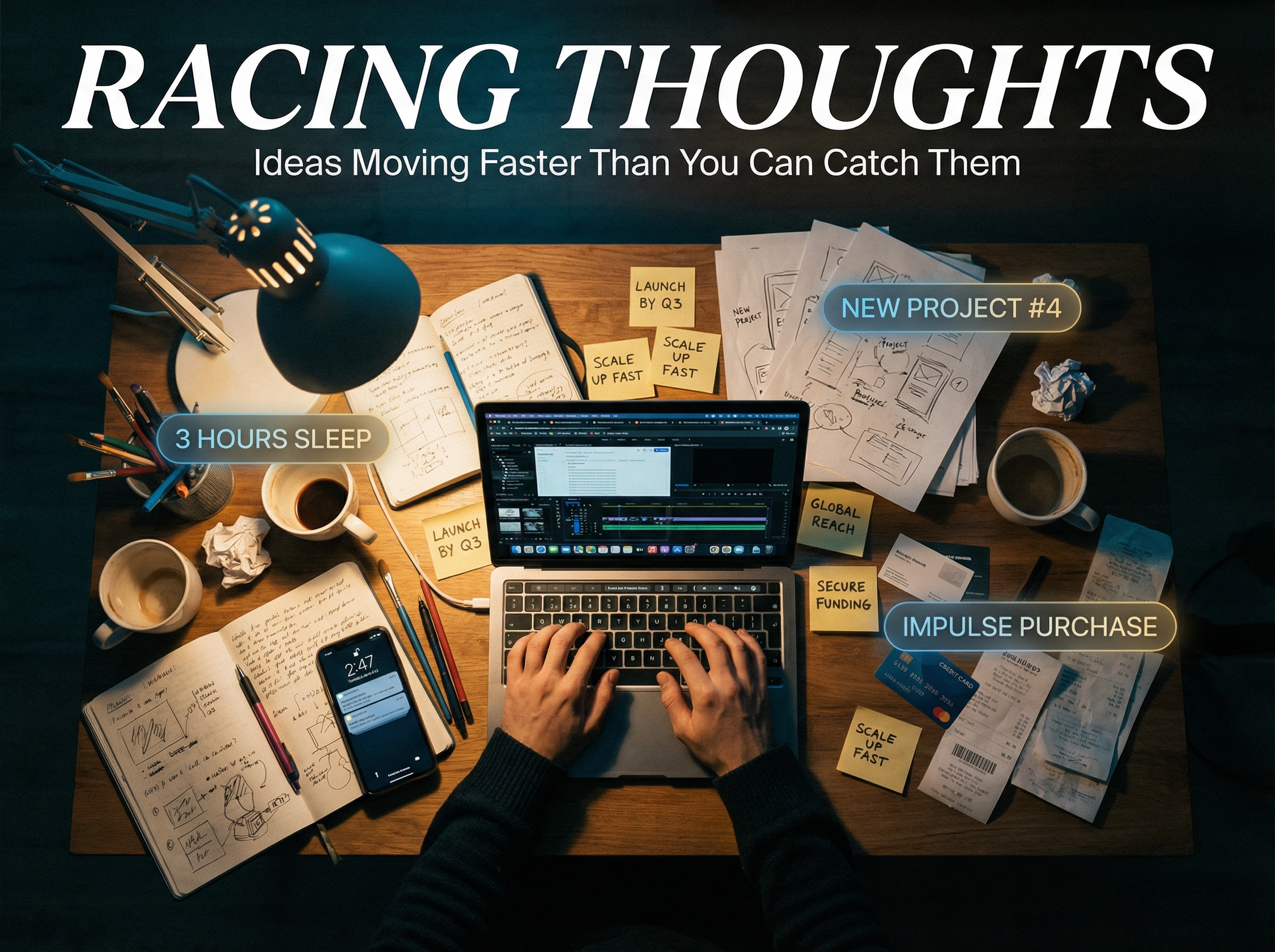
Here’s the tricky part: hypomania often feels good. Unlike depression, which clearly causes distress, hypomania can feel like you’re finally operating at your full potential. This is precisely why it’s so often overlooked or dismissed—both by the person experiencing it and sometimes even by those around them.
The Double-Edged Sword
While hypomania might feel like a superpower, it comes with hidden costs. The increased productivity and creativity can lead to overcommitment, burnout, and decisions you later regret. That business you started at 3 AM? The expensive purchase that seemed brilliant at the time?
The text messages you sent to everyone in your contact list? These impulsive actions can have lasting consequences on your finances, relationships, and reputation.
Moreover, hypomanic episodes rarely exist in isolation. They’re most commonly associated with Bipolar II Disorder, where they alternate with periods of depression. Many people don’t recognize the pattern until they’ve experienced multiple cycles—the exhilarating highs followed by crushing lows that leave them wondering, “Why can’t I just stay consistent?“
Why Hypomania Often Goes Unrecognized
There are several reasons hypomania frequently slips past our awareness:
It feels productive. In our hustle-driven culture, being highly energetic and productive is celebrated, not questioned. When you’re getting things done and feeling great, why would you think something’s wrong?
It’s not as dramatic as mania. Unlike full manic episodes, hypomania doesn’t typically involve psychosis, severe impairment, or hospitalization. You can usually still function—sometimes even better than usual—which makes it seem less concerning.
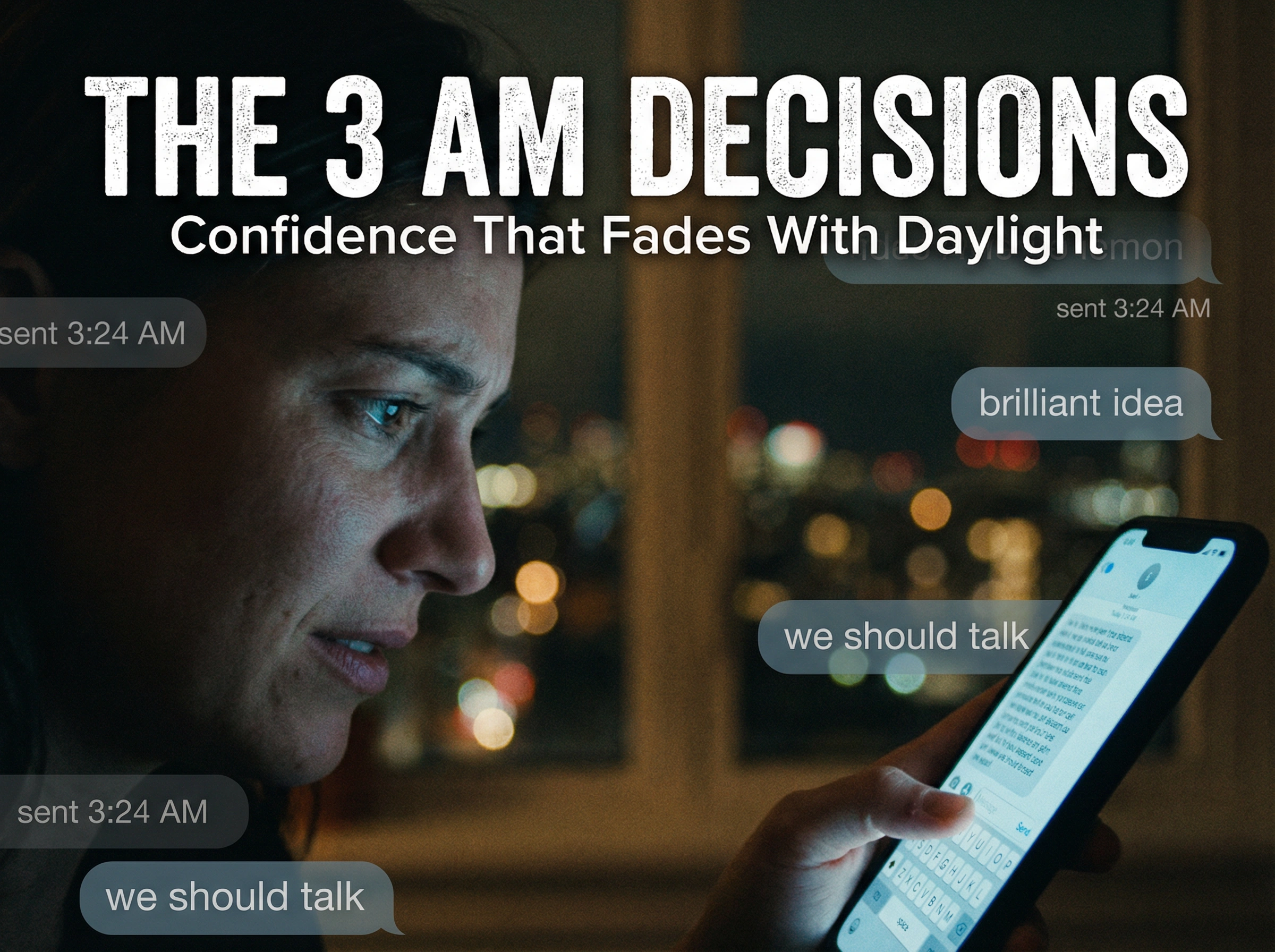
The contrast with depression is stark. If you’ve experienced the heavy weight of depression, hypomania can feel like blessed relief. You might think, “Finally, I’m back to normal,” not realizing you’ve swung to the opposite extreme.
Others might not notice. Friends and family may simply think you’re in a good mood or having a productive streak. Unless they’re familiar with your baseline, they might not recognize the shift as significant.
The Importance of Recognition
Understanding and identifying hypomania matters for several crucial reasons:
Accurate diagnosis leads to effective treatment. Bipolar II Disorder requires different treatment approaches than major depression. If hypomania goes unrecognized, you might be treated for depression alone, which can sometimes worsen mood cycling.
Prevention of consequences. Recognizing hypomanic patterns early can help you avoid impulsive decisions that might harm your relationships, finances, or career.
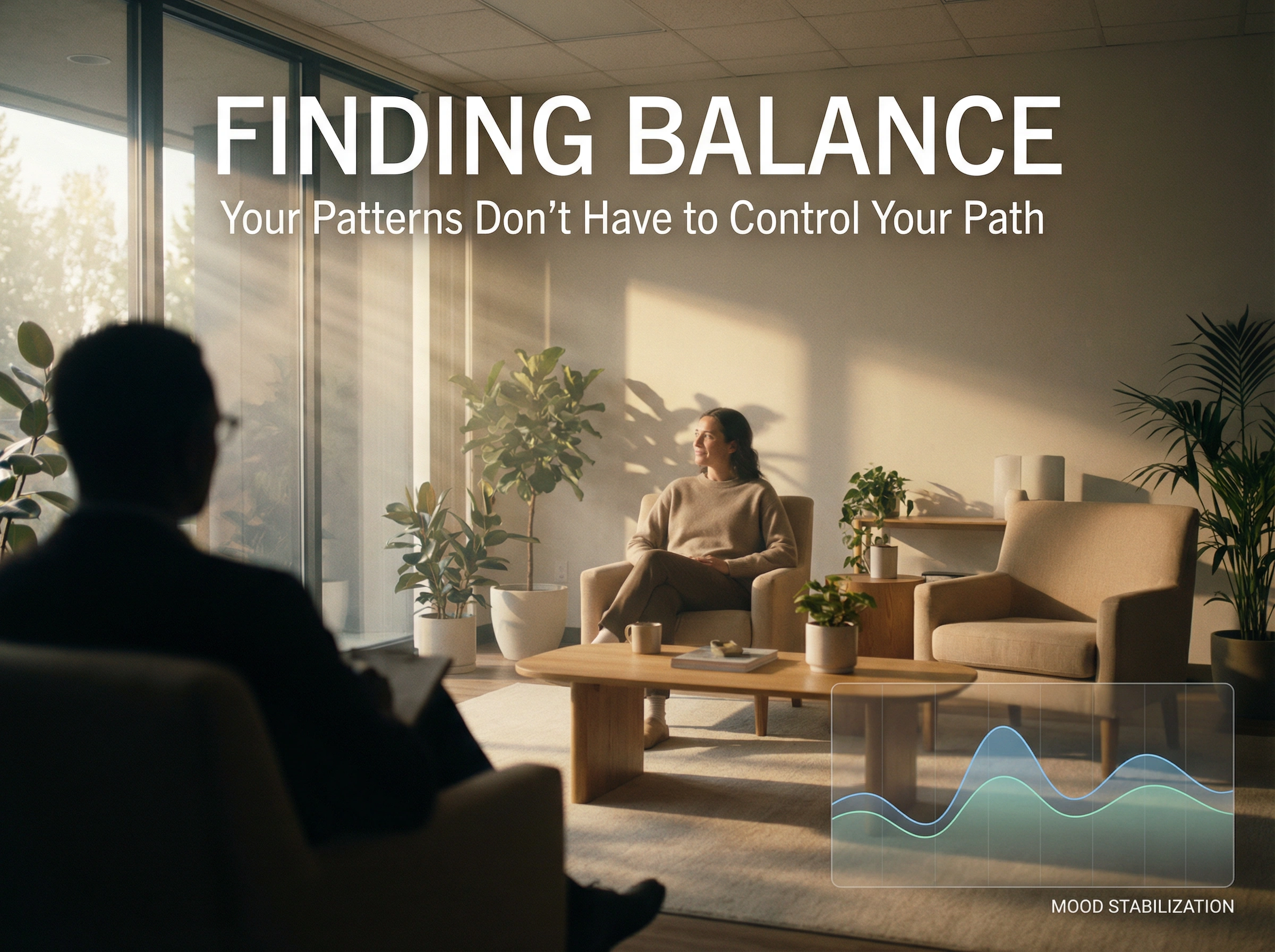
Long-term stability. With proper support and treatment, you can work toward more consistent mood states, reducing the exhausting cycle of highs and lows.
Self-understanding. Knowing your patterns empowers you to develop strategies, communicate your needs, and build a support system that works for you.
When to Seek Professional Support
If you’ve noticed patterns of elevated mood and energy followed by depressive periods, it’s worth exploring with a mental health professional. At Focused Connections Psychiatry, we understand that mood cycles can be complex and deeply personal. Our comprehensive evaluations help identify patterns that might not be immediately obvious, providing clarity about what you’re experiencing.
Only a licensed clinician can determine whether your experiences align with hypomania or another condition. But recognizing the possibility is the first step toward understanding yourself better and accessing the support that can help you achieve lasting stability.
Moving Forward
Hypomania doesn’t have to control your life. With proper evaluation, personalized treatment, and ongoing support, many people learn to recognize their patterns, manage their symptoms, and maintain the creativity and energy they value—without the destabilizing extremes.
You deserve care that truly understands the complexity of mood patterns. If you’re noticing cycles in your energy, mood, or behavior that concern you, reaching out for a professional evaluation is a courageous and important step toward the clarity and stability you deserve. Contact us at (562) 312-1777 today or click here to schedule your free symptom assessment.