When Your Brain’s Thermostat Breaks
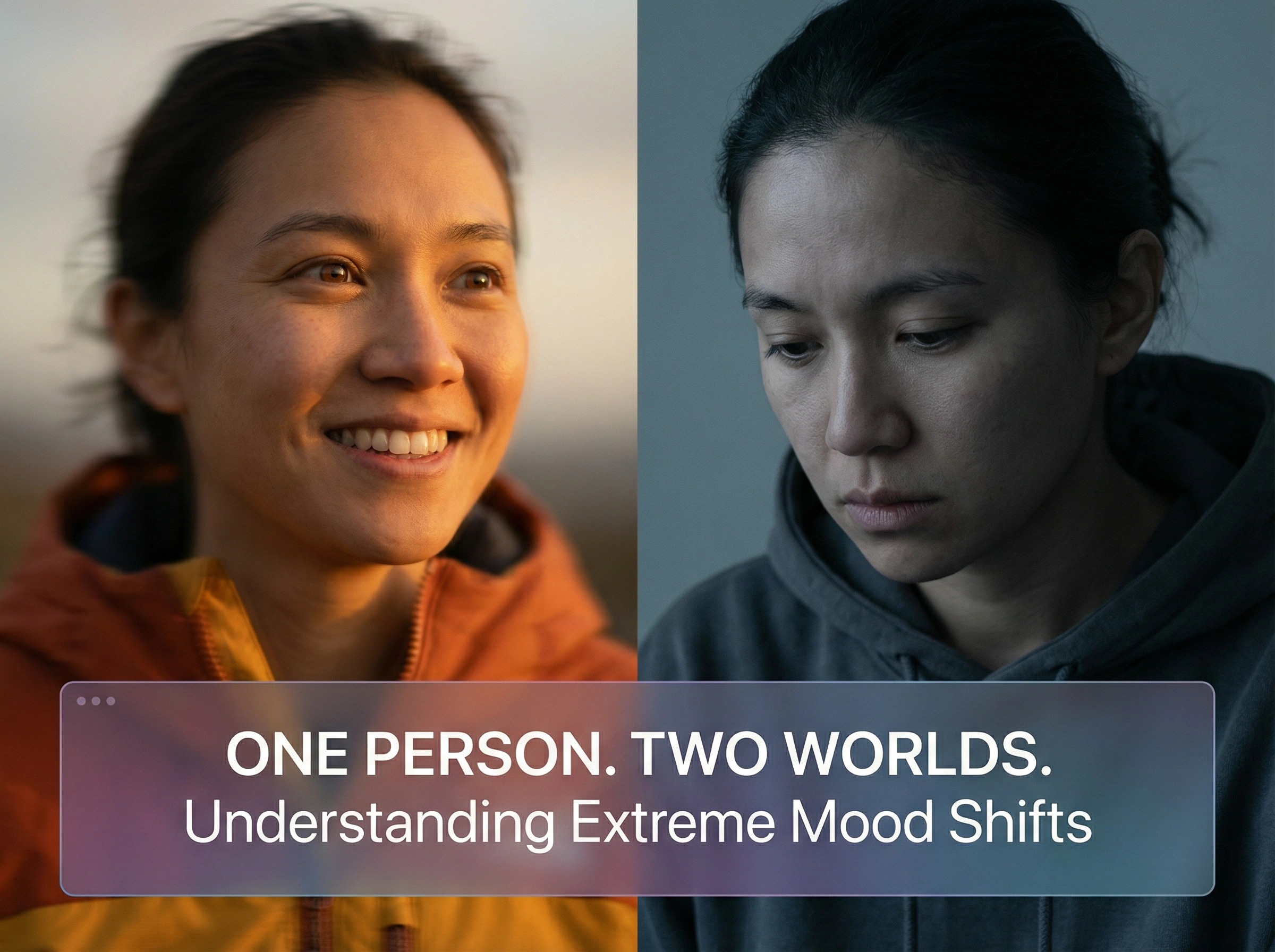
You’ve been on top of the world for days—maybe even weeks. Projects are flowing, ideas are sparking, sleep feels optional, and you’re convinced you’ve finally unlocked your full potential.
Then, without warning, it all comes crashing down. The energy vanishes. The motivation evaporates. Getting out of bed feels impossible, and the person you were just days ago seems like a stranger.
If this pattern sounds familiar, you’re not alone. These “crash cycles” are more than just burnout or bad days—they’re often a signal that something deeper is happening with your mood regulation. At Focused Connections Psychiatry, we help individuals understand these patterns and find the stability they’ve been searching for.
What Are Crash Cycles?
Crash cycles describe the pattern of moving from periods of elevated energy, productivity, and mood to sudden drops into exhaustion, low mood, and difficulty functioning. While everyone experiences natural fluctuations in energy and motivation, crash cycles are different. They’re more intense, more disruptive, and often leave you wondering what went wrong.
During the “high” phase, you might experience:
- Unusually high energy despite little sleep
- Racing thoughts and jumping between ideas quickly
- Increased confidence or feeling unstoppable
- Taking on multiple projects or commitments at once
- Impulsive decisions, including spending more money than intended
- Talking faster than usual or feeling like your mind can’t slow down

Then comes the crash. This phase often includes:
- Profound exhaustion that sleep doesn’t seem to fix
- Loss of interest in activities that excited you days earlier
- Difficulty concentrating or making even simple decisions
- Feelings of emptiness, hopelessness, or emotional heaviness
- Guilt or regret about decisions made during the high period
- Withdrawing from friends, family, and responsibilities
Why Do Crash Cycles Happen?
Crash cycles often occur when your brain’s mood regulation system isn’t functioning in a balanced way. Think of it like a thermostat that’s broken—instead of maintaining a steady, comfortable temperature, it swings between extremes.
For many people, these cycles are connected to bipolar spectrum conditions. The elevated periods may represent hypomania (a less severe form of mania) or full manic episodes, while the crashes are depressive episodes. However, crash cycles can also be influenced by:
- Chronic stress that pushes you into overdrive followed by burnout
- Sleep disruption that destabilizes your mood regulation
- Substance use that artificially elevates mood before the inevitable drop
- Undiagnosed ADHD combined with anxiety or depression
- Seasonal patterns that affect your energy and mood
The key difference between typical stress-related burnout and crash cycles related to mood disorders is the pattern, intensity, and duration. Crash cycles tend to be more extreme, last longer, and happen repeatedly despite your best efforts to prevent them.
The Hidden Cost of Crash Cycles
Living with crash cycles takes a toll that goes beyond the immediate symptoms. Over time, these patterns can affect:
Your relationships: Loved ones may feel confused by your inconsistency or hurt by decisions made during elevated periods. You might withdraw during crashes, leaving others feeling shut out.
Your work or school performance: While you might accomplish a lot during high periods, the crashes can derail progress and create an unreliable pattern that affects your professional reputation.
Your self-perception: Many people blame themselves, thinking they lack discipline or willpower. This self-criticism only adds to the emotional burden.
Your decision-making: Impulsive choices during elevated periods—whether financial, relational, or professional—can have lasting consequences that you’re left to manage during the crash.

Breaking the Cycle: What Helps
The good news is that crash cycles don’t have to be your permanent reality. Understanding what’s happening is the first step toward stability.
Professional evaluation matters. Only a qualified clinician can determine whether your crash cycles are related to bipolar disorder, another mood condition, or a combination of factors. At Focused Connections Psychiatry, we take time to understand your unique patterns through a comprehensive psychiatric evaluation, looking at your mood history, sleep patterns, triggers, and how these cycles impact your daily life.
Mood tracking provides clarity. Keeping track of your energy levels, sleep, mood, and activities can reveal patterns you might not notice otherwise. This information becomes invaluable in working with your clinician to develop an effective treatment plan.
Treatment is about partnership. Managing crash cycles often involves a combination of approaches tailored to your specific needs—which might include medication management, therapy, lifestyle adjustments, and developing awareness of your early warning signs.
Stability supports your strengths. Many people worry that treatment will flatten their personality or eliminate their creativity and drive. In reality, achieving mood stability helps you access your strengths more consistently, without the destructive crashes that undermine your progress.

You Deserve Steady Ground
If you’ve been riding the roller coaster of crash cycles, wondering why you can’t maintain the consistency you see in others, please know: this isn’t a character flaw. Your experiences deserve care and understanding.
At Focused Connections Psychiatry, we specialize in helping individuals understand their mood patterns and find the stability that supports their goals, relationships, and well-being. You don’t have to navigate this alone.
Ready to explore what’s behind your crash cycles? Contact us at (562) 312-1777 today or click here to schedule your free symptom assessment. Your journey toward clarity and stability starts here.