
The Quiet Signals Your Mind Is Sending
You’ve been feeling “off” lately, but you can’t quite put your finger on why. Maybe you’re more tired than usual, even after a full night’s sleep. Perhaps you’ve been snapping at people you care about, or that knot in your stomach just won’t go away. You tell yourself it’s just stress, that everyone feels this way sometimes, that you just need to push through.
But what if your mind is trying to tell you something important?
At Focused Connections Psychiatry, we see patients every day who wish they’d recognized the early warning signs sooner.
The truth is, anxiety and depression rarely announce themselves with a dramatic entrance. Instead, they slip into your life quietly, disguising themselves as everyday struggles until one day you realize you haven’t felt like yourself in months—or even years.
Understanding these early signals isn’t about labeling yourself or jumping to conclusions. It’s about honoring what your mind and body are trying to communicate, so you can get the support you deserve before these feelings become overwhelming.
When Your Body Speaks Before Your Mind Does

One of the most overlooked aspects of anxiety and depression is how they show up physically, often before we recognize the emotional symptoms. Your body is remarkably intuitive, and it frequently sounds the alarm before your conscious mind catches up.
Persistent physical tension is one of the earliest signs. You might notice your shoulders are constantly tight, your jaw is clenched throughout the day, or you’re getting frequent headaches that don’t seem to have a clear cause. These aren’t just random aches—they’re your body holding onto stress and worry that hasn’t been processed.
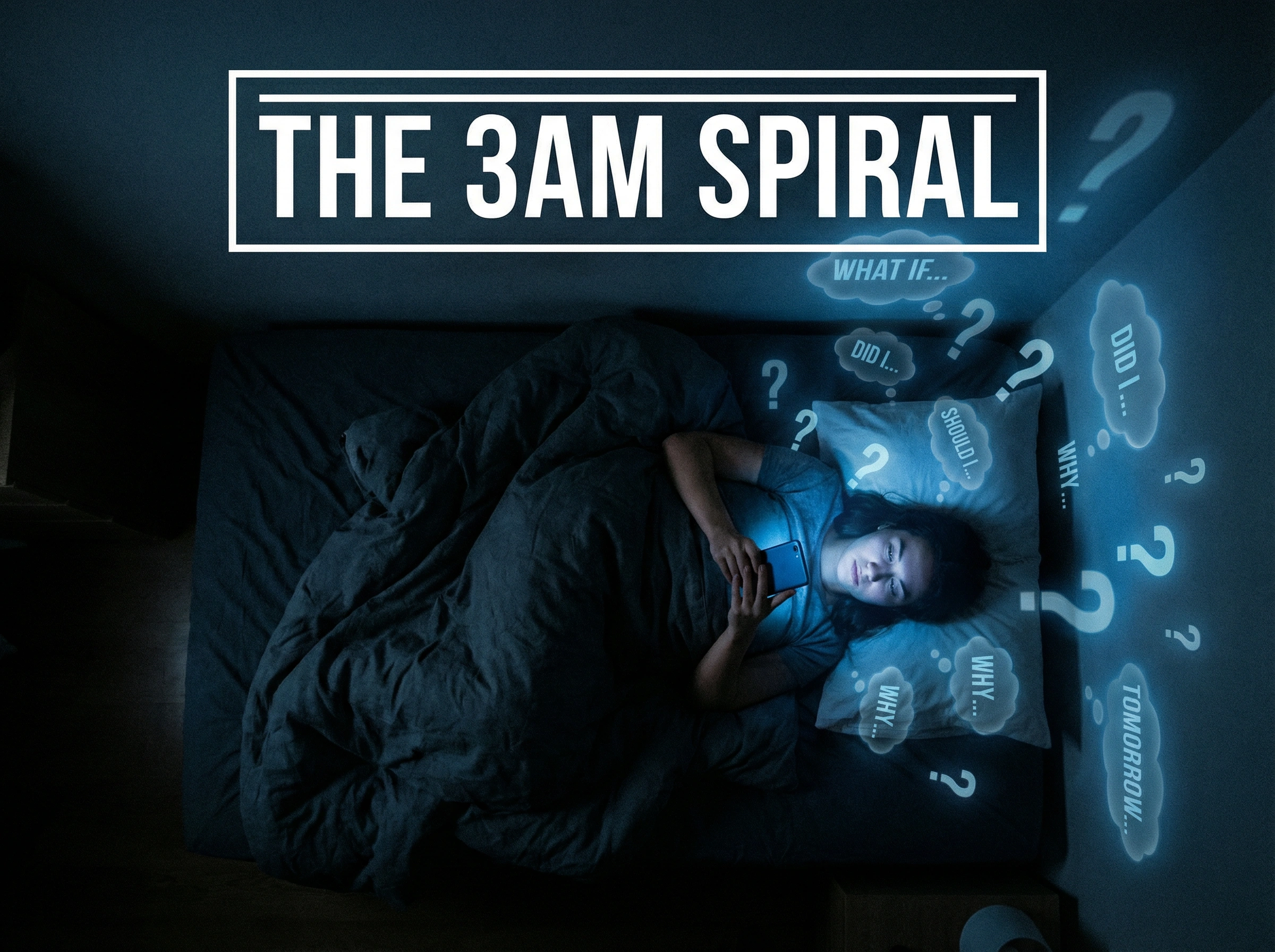
Changes in sleep patterns are another critical early indicator. This doesn’t just mean insomnia, though that’s common. You might find yourself sleeping much more than usual but still waking up exhausted. Or perhaps you’re waking up at 3 AM with your mind racing, unable to fall back asleep as worries flood in. When sleep stops being restorative, it’s worth paying attention.
Digestive issues often accompany early anxiety and depression. That constant knot in your stomach, frequent nausea, or changes in appetite aren’t just “stress“—they’re signs that your nervous system is in overdrive. Many people dismiss these symptoms as dietary issues when they’re actually emotional signals.
The Mental Shifts That Happen Gradually

While physical symptoms can be easier to notice, the cognitive and emotional changes often develop so gradually that you might not recognize them as warning signs.
Difficulty making decisions is a hallmark early symptom that many people overlook. If you find yourself agonizing over small choices—what to eat for lunch, which route to take to work, whether to respond to a text—your mind may be overwhelmed by anxiety. When even minor decisions feel monumental, it’s often because your mental resources are already depleted by underlying worry or low mood.
Persistent “what if” thinking is another red flag. Everyone worries occasionally, but if you notice yourself constantly running through worst-case scenarios, replaying conversations looking for hidden meanings, or anticipating disaster in everyday situations, anxiety may be taking root. This kind of rumination is exhausting and can quickly spiral.
Loss of interest or enjoyment in activities you used to love is one of depression’s earliest calling cards. Maybe you used to look forward to your weekly game night, but now you find excuses to skip it. Perhaps hobbies that once brought you joy now feel like obligations. When things that used to light you up start feeling flat or burdensome, your emotional well-being deserves attention.
The Social and Behavioral Changes
How we interact with the world around us often reflects our internal state, and changes in social behavior can be significant early indicators.
Withdrawing from social connections might start subtly—canceling plans here and there, taking longer to respond to messages, or feeling relieved when events get canceled. While everyone needs alone time, if you’re consistently avoiding people and feeling increasingly isolated, it’s worth examining why.
Irritability and emotional sensitivity often increase with anxiety and depression. You might find yourself overreacting to minor frustrations, feeling tearful without clear reason, or snapping at loved ones over small things. When your emotional responses feel disproportionate to the situation, it’s often a sign that something deeper is affecting your regulation.

Why Early Recognition Matters
Here’s what we want you to know: recognizing these signs early isn’t about catastrophizing or self-diagnosing. It’s about self-awareness and self-compassion. Anxiety and depression are among the most common and treatable mental health conditions, but they become harder to manage the longer they go unaddressed.
If several of these signs resonate with you, it doesn’t mean you’re broken or weak. It means you’re human, and your mind is asking for support. Many people find that simply understanding what they’re experiencing—putting language to these feelings—brings immediate relief.
At Focused Connections Psychiatry, we believe that seeking help is an act of courage and self-respect. A supportive evaluation can help you understand what’s contributing to your symptoms and develop a personalized plan that brings you back to feeling like yourself.
You deserve care that truly understands you. If these early signs feel familiar, consider reaching out. Your journey toward clarity and emotional balance can start today.
If you’re experiencing these symptoms and would like to discuss them with a compassionate professional, Focused Connections Psychiatry is here to help. Contact us at (562) 312-1777 today or click here to schedule your free symptom assessment.